Abu Dhabi’s real estate market is experiencing unprecedented transformation as we move into 2026, with off-plan properties offering investors a critical window to capitalize on the emirate’s evolving tenant demographics. Understanding the right unit mix strategy isn’t just about choosing between one-bedroom apartments, two-bedroom units, or villas—it’s about aligning your investment with Abu Dhabi’s future tenant reality. With rental yields consistently exceeding 9% in prime locations and only 6,500 new residential units forecast for delivery in 2026, the supply-demand dynamics favor strategic investors who understand tenant preferences before making their prelaunch commitments.
The decision between purchasing a 1-bedroom apartment, 2-bedroom unit, or villa in Abu Dhabi’s off-plan market will determine whether you achieve industry-leading returns or struggle with vacancies. This comprehensive guide examines the tenant landscape shaping Abu Dhabi’s rental market through 2026 and beyond, providing data-driven insights into which unit types offer the strongest return on investment for different investor profiles.
Understanding Abu Dhabi’s Tenant Demographics: The Foundation of Unit Mix Strategy
Abu Dhabi’s tenant market operates distinctly from neighboring Dubai, with a more stable, government-anchored employment base creating predictable rental patterns. The emirate’s population surpassed 4 million in 2024, driven primarily by professionals in government, defense, energy, healthcare, and finance sectors. This demographic composition creates three dominant tenant profiles that should inform every off-plan investment decision.
Working professionals represent approximately 45% of Abu Dhabi’s rental demand, predominantly seeking modern one-bedroom apartments in locations like Al Reem Island and Corniche. These tenants prioritize proximity to business districts, modern amenities, and manageable maintenance costs. They typically sign 12-month leases and demonstrate lower turnover rates compared to Dubai’s more transient population, making them ideal tenants for buy-to-let investors seeking consistent cash flow.
Expatriate families constitute roughly 40% of rental demand and gravitate toward two-bedroom apartments or villas in communities like Khalifa City, Al Reef, and Al Raha Gardens. These tenants require proximity to quality international schools, community amenities, and family-friendly environments. They typically sign longer lease terms ranging from 12 to 24 months and are willing to pay rental premiums for properties that meet their specific lifestyle requirements. This segment has experienced the most significant rent increases, with family-oriented areas seeing annual growth averaging 6.8% as limited supply meets growing demand.
Students and university staff account for approximately 15% of rental demand, typically seeking affordable studios or one-bedroom units near academic institutions. While this segment represents a smaller market share, it provides consistent year-round occupancy in specific locations and can deliver higher rental yields due to lower purchase price entry points.
For investors evaluating Abu Dhabi property investment opportunities, understanding these tenant profiles is essential because each segment demonstrates different rental yield potential, vacancy risk, and appreciation trajectories. The key to a successful unit mix strategy lies in matching property type to the dominant tenant profile in your chosen investment zone.
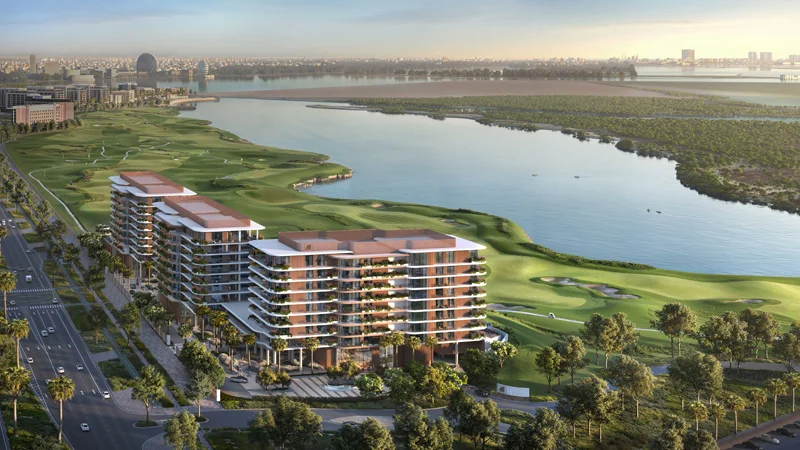
One-Bedroom Apartments: Maximum Rental Yields in Abu Dhabi’s Off-Plan Market
One-bedroom apartments consistently deliver the highest rental yields in Abu Dhabi, frequently achieving returns between 7% and 9.2% in well-positioned communities. This performance stems from favorable purchase price-to-rent ratios that create compelling mathematics for income-focused investors. As of early 2026, one-bedroom units command average annual rents of AED 64,000, while average purchase prices for off-plan one-bedroom apartments range from AED 850,000 to AED 1.2 million, depending on location and developer quality.
The exceptional yield performance of one-bedroom units reflects strong structural demand from Abu Dhabi’s large professional workforce. Unlike Dubai, where transient populations create more volatile rental patterns, Abu Dhabi’s employment base in government and energy sectors provides stable, long-term tenant pools. Working professionals typically prefer one-bedroom apartments that offer modern finishes, proximity to business districts, and maintenance-free living, making vacancy rates in this segment consistently lower than larger unit types.
Al Reem Island represents the premier location for one-bedroom off-plan investments, with rental yields reaching 9.2% in select developments. The island’s appeal to young professionals stems from its modern infrastructure, proximity to the central business district, and vibrant community atmosphere. Similarly, Masdar City delivers yields exceeding 7% while positioning investors to benefit from Abu Dhabi’s sustainability initiatives and technology sector growth. For investors seeking exposure to high-yield investment zones in Abu Dhabi, one-bedroom apartments in these emerging communities offer the strongest yield metrics.
The capital appreciation potential for one-bedroom apartments also merits consideration. While villas in premium locations may deliver stronger absolute price appreciation due to higher starting values, one-bedroom apartments often achieve higher percentage appreciation due to their lower entry points and consistent tenant demand. This creates a dual benefit for investors: high rental income during the holding period plus competitive capital gains upon eventual sale.
However, one-bedroom apartments do present certain strategic limitations. The tenant pool, while large and stable, consists primarily of single professionals who may eventually relocate or upgrade to larger units when family circumstances change. This creates natural tenant turnover every two to three years, requiring more active property management compared to family-oriented units. Additionally, one-bedroom apartments face greater competition from new supply, as developers frequently prioritize these units in mixed-use developments to ensure rapid sales absorption.
For investors implementing a unit mix strategy across multiple properties, one-bedroom apartments should form the foundation of any income-focused portfolio due to their superior yields and relatively lower capital requirements. They represent the optimal choice for investors who prioritize cash flow generation over long-term hold strategies and can actively manage tenant turnover.
Two-Bedroom Apartments: Balancing Yield and Tenant Stability
Two-bedroom apartments occupy the middle ground in Abu Dhabi’s off-plan market, delivering rental yields between 6% and 7% while offering greater tenant stability than one-bedroom units. This property type appeals to both young families and professional couples, creating a broader potential tenant base that reduces vacancy risk. Average annual rents for two-bedroom apartments reach AED 92,000, while off-plan purchase prices typically range from AED 1.35 million to AED 1.8 million.
The tenant profile for two-bedroom apartments differs significantly from that of one-bedroom units. While working professionals still represent a substantial portion of demand, the majority of two-bedroom tenants are young families seeking space for one or two children without the financial commitment of a villa. These families prioritize quality school access, community amenities, and child-friendly environments, making location selection particularly critical for this unit type.
Al Raha Beach exemplifies the premium two-bedroom market, with three-bedroom units (which compete in the same family segment) commanding rents of AED 150,000 annually. Two-bedroom apartments in this waterfront community benefit from proximity to international schools, shopping facilities, and beach access, creating sustained tenant demand. Similarly, Yas Island delivers consistent rental performance for two-bedroom units, with the added appeal of proximity to entertainment attractions and ongoing infrastructure development, including the Disneyland Abu Dhabi project.
The rent gap between one-bedroom and two-bedroom apartments in Abu Dhabi deserves particular attention because it reveals market inefficiencies that strategic investors can exploit. While two-bedroom apartments cost approximately 60% more to purchase than one-bedroom units, they typically command only 40-45% higher rents. This mathematical reality explains why two-bedroom apartments generate lower percentage yields despite higher absolute rental income.
However, this yield sacrifice delivers meaningful benefits in terms of tenant quality and lease longevity. Families signing leases for two-bedroom apartments demonstrate significantly lower turnover rates, with many tenants remaining for three to five years. This extended tenancy reduces vacancy periods, minimizes turnover costs, and creates more predictable cash flow projections. For investors who value passive income stability over maximum yield optimization, two-bedroom apartments represent the optimal choice.
The appreciation trajectory for two-bedroom apartments also differs from that of one-bedroom units. While yields may be lower, two-bedroom apartments in family-oriented communities tend to appreciate more consistently due to the structural shortage of family housing relative to demand. As Abu Dhabi’s population continues expanding and more expatriate families relocate to the emirate, competition for quality two-bedroom apartments intensifies, supporting steady price appreciation.
Investors implementing UAE off-plan property investment strategies across both Dubai and Abu Dhabi should recognize that two-bedroom apartments perform differently in each market. In Dubai’s more transient environment, two-bedroom apartments face stronger competition and higher vacancy risk. In Abu Dhabi’s stability-oriented market, they represent a balanced approach to rental income and appreciation potential.
Villa Investments: Premium Returns Through Strategic Location Selection
Villas represent the most capital-intensive segment of Abu Dhabi’s off-plan market, with purchase prices ranging from AED 2 million to over AED 5 million depending on location and plot size. While rental yields typically range from 4.5% to 6.5%, villas offer unique advantages that transcend simple yield calculations, including superior appreciation potential, tenant quality, and suitability for ultra-long-term hold strategies.
The villa tenant market in Abu Dhabi consists almost exclusively of established expatriate families, typically with senior executives, professionals, or business owners as primary breadwinners. These families seek privacy, outdoor space, and proximity to premium international schools. They demonstrate the lowest vacancy risk among all property types and frequently sign multi-year leases, creating exceptional cash flow stability for investors who can afford the higher capital investment.
Khalifa City represents the most popular family villa rental area in 2026, offering villa-style living at more accessible price points than premium island communities. Villas in Khalifa City deliver approximately 6% rental yields while benefiting from proximity to established schools, medical facilities, and family amenities. The area’s popularity among families has driven substantial rental growth, with increases averaging 6.8% annually as demand consistently outpaces limited new supply.
Premium villa communities like Saadiyat Island and Yas Island deliver lower percentage yields around 5-5.5% but command annual rents exceeding AED 300,000 for waterfront properties. These luxury villas attract diplomatic families, senior executives, and high-net-worth individuals seeking prestigious addresses with exceptional amenities. While yields may appear modest, the absolute rental income and appreciation potential make these properties compelling for high-net-worth investors seeking wealth preservation alongside income generation.
Al Reef and Al Raha Gardens occupy the middle market, delivering balanced returns of around 6-6.2% with strong community infrastructure and family-friendly environments. These communities appeal to mid-level professionals and families seeking villa lifestyles without premium waterfront pricing. For investors evaluating prelaunch properties in high-yield investment zones, these mid-market villa communities often represent the optimal balance between yield, appreciation, and tenant quality.
The appreciation trajectory for villas deserves particular emphasis in any unit mix strategy discussion. While villas generate lower rental yields than apartments, they consistently demonstrate stronger absolute price appreciation over five to ten-year hold periods. Limited land supply in premium locations, particularly on islands and waterfront communities, creates scarcity dynamics that support ongoing value increases. Villas also benefit from land value appreciation, which compounds with property improvements to drive total returns.
However, villas present distinct challenges compared to apartment investments. Maintenance costs run significantly higher, typically ranging from AED 15,000 to AED 30,000 annually for routine upkeep, garden maintenance, and pool servicing. Vacancy periods also create greater financial strain due to higher carrying costs. Investors must ensure adequate reserves to manage these expenses during tenant transitions.
For sophisticated investors implementing portfolio-wide unit mix strategies, villas should represent 20-30% of total capital allocation, providing appreciation upside and long-term wealth building while apartments deliver monthly cash flow. This balanced approach captures both income and growth components of total return while managing liquidity and vacancy risks across different property types.
Comparing Unit Types: A Data-Driven Investment Framework
| Property Type | Average Purchase Price | Annual Rental Income | Gross Rental Yield | Tenant Type | Lease Duration | Vacancy Risk |
| 1BR Apartment | AED 850,000 – 1,200,000 | AED 64,000 | 7% – 9.2% | Young Professionals | 12 months | Moderate |
| 2BR Apartment | AED 1,350,000 – 1,800,000 | AED 92,000 | 6% – 7% | Young Families | 12-24 months | Low |
| 3BR Villa (Khalifa City) | AED 2,000,000 – 2,800,000 | AED 120,000 | 5.5% – 6% | Established Families | 24+ months | Very Low |
| Luxury Villa (Saadiyat/Yas) | AED 4,000,000 – 8,000,000 | AED 300,000+ | 5% – 5.5% | High Net Worth | 24+ months | Very Low |
This comparative framework reveals the fundamental trade-offs inherent in unit mix strategy decisions. One-bedroom apartments maximize yield but require more active management due to higher tenant turnover. Two-bedroom apartments balance yield with stability, appealing to investors seeking passive income. Villas sacrifice yield for tenant quality, appreciation potential, and ultra-long-term wealth building.
The optimal mix depends entirely on your investment objectives, capital availability, and risk tolerance. Income-focused investors with limited capital should concentrate on one-bedroom apartments in high-demand professional areas. Balanced investors seeking both income and growth should build portfolios dominated by two-bedroom apartments with selective one-bedroom exposure. Wealth preservation investors with substantial capital should emphasize villa investments in premium locations while maintaining apartment exposure for liquidity and income.
2026 Market Dynamics: Supply, Demand, and Strategic Timing
Abu Dhabi’s off-plan market in 2026 presents a distinctly different opportunity set compared to Dubai’s larger, more supply-heavy market. While Dubai faces approximately 120,000 residential unit deliveries in 2026, creating potential downward pressure on rents and prices, Abu Dhabi’s conservative development approach limits new supply to just 6,500 residential units. This supply constraint creates a tight market environment where rental growth is forecast at 8-12% for 2026, significantly outpacing Dubai’s projected moderation.
For investors implementing strategic off-plan investment approaches, this supply-demand imbalance represents a critical advantage. Limited new inventory means less competition for tenants, supporting consistent occupancy rates and landlord-favorable rental negotiations. However, it also means investors must act decisively when quality prelaunch opportunities emerge, as the limited pipeline restricts future buying opportunities.
The population growth trajectory also supports continued rental market strength. Abu Dhabi’s population expansion, while more measured than Dubai’s explosive growth, consists primarily of stable, long-term residents employed in government and core economic sectors. This demographic quality trumps raw quantity in terms of rental market stability, as these tenants demonstrate lower turnover and more consistent payment patterns.
Infrastructure development further enhances specific location advantages within Abu Dhabi’s off-plan landscape. The upcoming Disneyland Abu Dhabi project, set to open near Yas Island, will drive tourism, employment growth, and housing demand in surrounding communities. Early investors in SOBHA’s first Abu Dhabi community near the development site positioned themselves to capture appreciation upside as the area transforms into a major destination hub.
The strategic timing for off-plan purchases in Abu Dhabi differs fundamentally from Dubai’s market cycle. While some analysts predict potential price corrections in Dubai due to oversupply, Abu Dhabi’s constrained pipeline and steady demand growth support continued price appreciation through 2026 and beyond. This creates a lower-risk entry environment for investors concerned about market timing, particularly for those purchasing quality prelaunch properties with established developers.
Developer Selection and Risk Mitigation in Unit Mix Strategy
Regardless of whether you invest in one-bedroom apartments, two-bedroom units, or villas, developer selection represents the single most critical risk management decision in off-plan investing. The quality of construction, on-time delivery, and post-handover service quality directly impact your rental yields, tenant satisfaction, and long-term appreciation potential. Abu Dhabi’s market includes both established developers with proven track records and newer entrants offering aggressive pricing to gain market share.
Aldar Properties and DAMAC Properties represent the gold standard in Abu Dhabi’s development landscape, with extensive portfolios, financial stability, and consistent delivery timelines. These developers command price premiums during the prelaunch phase, but this premium translates to lower vacancy risk, higher-quality finishes, and better long-term value retention. For risk-averse investors, paying an additional 10-15% for a premium developer typically proves economically justified through higher rental rates and appreciation.
SOBHA Realty’s recent entry into Abu Dhabi with its master-planned community near Yas Island represents another high-quality option, bringing the developer’s 50-year legacy of craftsmanship to the emirate. The development’s proximity to Disneyland Abu Dhabi and limited release of just 300 units create scarcity dynamics that should support both rental performance and appreciation.
Investors should conduct thorough due diligence on any developer before committing capital, regardless of unit type selection. This includes verifying RERA registration, confirming escrow account arrangements, reviewing past project delivery timelines, and examining post-handover service quality through tenant feedback. The most attractive yield projections become meaningless if construction delays, quality issues, or developer financial problems create extended vacancy periods or necessitate costly post-delivery remediation.
For investors exploring high-ROI off-plan commercial properties alongside residential investments, a developer’s track record becomes even more critical, as commercial tenants demand higher construction quality and are more likely to terminate leases over building maintenance issues.

Integration with Broader Portfolio Strategy and Golden Visa Considerations
Unit mix strategy shouldn’t exist in isolation but rather as part of your comprehensive real estate investment portfolio. For international investors, particularly, Abu Dhabi’s off-plan market offers the dual benefit of rental income generation and potential Golden Visa eligibility. Properties valued at AED 2 million or more, including qualifying off-plan purchases that meet payment thresholds, can secure ten-year UAE residency for investors and their families.
This residency benefit fundamentally alters the investment calculus for villa purchases. While a villa’s 5-6% rental yield may appear modest compared to a one-bedroom apartment’s 8-9% return, the added value of long-term UAE residency, tax-free income, and lifestyle benefits for families creates total value that transcends simple yield calculations. For investors who plan to spend significant time in the UAE or relocate families to access world-class education and healthcare, a villa investment serves both financial and lifestyle objectives simultaneously.
Portfolio diversification across unit types also provides risk management benefits. A balanced portfolio containing one-bedroom apartments for yield, two-bedroom apartments for stability, and select villa investments for appreciation creates multiple income streams with different risk profiles. This diversification protects against unit type-specific market downturns and provides flexibility to adjust strategy as market conditions evolve.
Geographic diversification within Abu Dhabi amplifies these benefits. Rather than concentrating all investments in a single community, spreading exposure across Al Reem Island, Yas Island, Khalifa City, and Saadiyat Island captures different tenant profiles while reducing location-specific risks. This approach particularly benefits investors following 2026 property investment sweet spot strategies that emphasize timing and location selection.
Tax efficiency also deserves consideration in the unit mix strategy. Abu Dhabi’s zero income tax environment means all rental income flows directly to investors without withholding or reporting requirements. This creates substantial advantages compared to heavily taxed Western markets, where gross yields may appear competitive but net after-tax returns prove disappointing. For investors comparing UAE off-plan opportunities across emirates, Abu Dhabi’s stable governance and consistent policy environment provide additional security for long-term wealth building.
Secure Your Abu Dhabi Investment Future Today
Abu Dhabi’s off-plan market in 2026 presents exceptional opportunities for investors who understand tenant demographics, yield dynamics, and strategic location selection. Whether you prioritize maximum rental yields through one-bedroom apartments, balanced returns via two-bedroom units, or long-term appreciation with villas, the key to success lies in aligning your unit mix strategy with the emirate’s evolving tenant reality.
The limited pipeline of just 6,500 new residential units forecast for 2026, combined with continued population growth and 8-12% rental growth projections, creates a landlord-favorable environment rarely seen in major global markets. However, this opportunity window requires decisive action, as quality prelaunch properties from established developers sell rapidly in Abu Dhabi’s supply-constrained environment.
Ready to capitalize on Abu Dhabi’s exceptional off-plan investment landscape? Visit Prelaunch.ae to explore exclusive prelaunch opportunities across one-bedroom apartments, two-bedroom units, and luxury villas in Abu Dhabi’s highest-performing communities. Our expert team provides comprehensive market analysis, developer due diligence, and customized portfolio strategies to help you maximize returns while managing risk.
Contact our investment specialists today:  (+971) 52 341 7272
  sales@mbrproperties.ae
Fill out the inquiry form on our website at Prelaunch.ae to receive personalized recommendations based on your investment objectives, capital availability, and risk tolerance. Don’t miss this strategic window to secure high-yield properties in one of the world’s most stable and tax-efficient real estate markets.
Frequently Asked Questions
What rental yield can I expect from one-bedroom apartments in Abu Dhabi’s off-plan market?
One-bedroom apartments in Abu Dhabi typically deliver gross rental yields between 7% and 9.2%, with prime locations like Al Reem Island and Masdar City achieving the higher end of this range. These superior yields reflect strong demand from young professionals combined with favorable purchase price-to-rent ratios. However, investors should account for annual maintenance costs of AED 5,000 to AED 10,000 when calculating net yields.
Are villas worth the lower rental yields compared to apartments in Abu Dhabi?
Villas deliver lower percentage yields around 5-6% but offer compelling advantages, including stronger absolute appreciation potential, superior tenant quality with multi-year leases, and Golden Visa eligibility for properties exceeding AED 2 million. For wealth preservation investors with longer time horizons, villas in premium locations like Saadiyat Island and Yas Island provide total returns that exceed apartment investments when combining rental income with capital appreciation.
Which unit type experiences the lowest vacancy rates in Abu Dhabi?
Villas demonstrate the lowest vacancy rates, typically below 4%, due to limited supply and a stable tenant base consisting of established families on long-term contracts. Two-bedroom apartments follow closely with approximately 5% vacancy, while one-bedroom apartments experience slightly higher vacancy, around 5-6,% due to more frequent tenant turnover among young professionals.
How does Abu Dhabi’s 6,500-unit supply forecast for 2026 impact unit mix strategy?
Limited new supply creates a tight rental market supporting 8-12% rental growth projections for 2026, significantly favoring landlords across all unit types. This constrained pipeline means investors should prioritize quality locations and developers during the prelaunch phase, as limited future opportunities will restrict portfolio building. The supply shortage particularly benefits family-oriented two-bedroom apartments and villas where demand significantly exceeds available inventory.
Should I invest in off-plan one-bedroom apartments or two-bedroom units for maximum cash flow?
One-bedroom apartments deliver superior cash flow due to yields reaching 9.2% versus 6-7% for two-bedroom units. However, two-bedroom apartments provide more stable cash flow with lower vacancy risk and longer tenant retention. Income-focused investors should emphasize one-bedroom apartments for maximum yield, while passive income investors prioritizing stability should favor two-bedroom units despite modestly lower percentage returns.