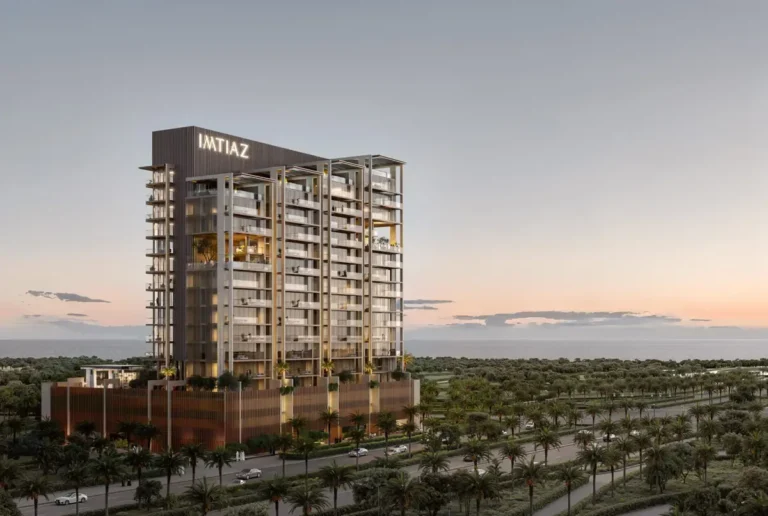
The Abu Dhabi real estate market has delivered exceptional returns for early investors, with property prices surging thirty percent year-on-year and off-plan developments in Abu Dhabi accounting for seventy-eight percent of residential sales. However, sophisticated investors understand that every growth cycle eventually encounters inflection points where continued aggressive buying transitions from opportunity to risk. Understanding these critical warning signals separates investors who exit with profits from those who purchase at peaks before price compression erodes returns.
Price compression in real estate refers to the phenomenon where property values stagnate or decline despite continued transaction activity, often occurring when supply growth outpaces demand absorption or when fundamental market dynamics shift unfavorably. Unlike dramatic crashes, price compression typically manifests gradually, making early detection crucial for off-plan properties in Abu Dhabi, where investors commit capital years before project delivery.
This comprehensive analysis examines the five critical market signals that historically precede price compression in Abu Dhabi property market cycles. Whether you’re evaluating new residential projects in Abu Dhabi 2025 or managing an existing portfolio of pre-launch off-plan properties, these signals provide essential guidance for strategic decision-making.
Understanding Price Compression in Real Estate Markets
When investors purchase off-plan developments Abu Dhabi, they commit capital based on current market conditions but receive their asset two to four years later when market dynamics may have shifted dramatically. This temporal mismatch creates asymmetric risk profiles where buyers lock in prices during growth phases but take delivery during potential downturns.
Historical analysis of global real estate cycles reveals consistent patterns where off-plan markets transition from healthy growth to compression when specific threshold conditions are met. These thresholds include: accelerating supply pipelines, deteriorating absorption metrics, aggressive developer behavior, financing environment shifts, and macroeconomic warning signals.
The Abu Dhabi real estate market currently exhibits strong fundamentals, with transaction values reaching one hundred sixty-four billion dirhams in 2025 and population growth of four point two percent supporting robust demand. However, several emerging signals warrant careful monitoring as the market enters 2026 with significant supply pipelines scheduled for delivery.
Signal One: Explosive Supply Pipeline Growth Exceeding Historical Norms
The most critical warning signal for off-plan properties in Abu Dhabi involves tracking supply pipeline growth relative to historical delivery patterns and absorption capacity. When a new project launches accelerate beyond sustainable levels, the resulting inventory glut creates downward pressure on prices regardless of short-term demand strength.
Measuring Supply Pipeline Metrics
Sophisticated investors monitor multiple supply metrics simultaneously to assess whether pipeline growth has entered dangerous territory. The absolute number of units scheduled for delivery provides a baseline, but more important are the rate of change in launches, the concentration of delivery timelines, and the relationship between pipeline growth and historical absorption rates.
Current market data shows approximately twelve thousand eight hundred new residential units scheduled for delivery in Abu Dhabi during 2026, representing a significant increase from recent years. However, raw numbers alone don’t necessarily indicate oversupply risk. The critical analysis involves comparing this figure to annual absorption rates, population growth projections, and the composition of supply across different segments and price points.
Historical patterns in Abu Dhabi property market cycles suggest that annual supply additions exceeding fifteen percent of existing inventory begin creating absorption challenges. When a new supply reaches twenty to twenty-five percent of inventory within a single year, price compression becomes highly probable unless extraordinary demand growth offsets the influx.
Developer Launch Frequency and Geographic Clustering
Beyond absolute unit counts, the frequency and clustering of new project launches provide powerful leading indicators of potential oversupply. When developers announce multiple large-scale projects simultaneously in a competitive response to peers’ success, this herd behavior typically signals late-cycle exuberance that precedes corrections.
The upcoming real estate projects Abu Dhabi pipeline for 2026 includes significant announcements from major developers, including Aldar Properties, Modon Properties, and Bloom Holding, alongside increasing activity from smaller developers entering the market. This acceleration in launch activity warrants careful scrutiny.
Historical analysis reveals that peak launch activity typically occurs twelve to eighteen months before price compression becomes apparent in transaction data. By the time compression manifests in pricing data, investors who purchased during peak launch periods face limited exit options before handover.
Geographic clustering amplifies supply risks when multiple large projects are delivered simultaneously in the same submarket. If Yas Island, for example, sees five thousand new units completing within six months, even strong demand may prove insufficient to absorb inventory without rental concessions or price adjustments that erode investor returns.
Comparative Supply Analysis Table
Understanding Abu Dhabi’s current supply dynamics requires comparison to both historical local patterns and peer markets. The following table illustrates key supply metrics across different market scenarios:
| Market Scenario | Annual Supply Growth | Supply as % of Existing Stock | Launch Acceleration Rate | Geographic Concentration | Compression Risk Level |
| Healthy Growth | 3-5% YoY | 8-12% | Steady, moderate increase | Distributed across submarkets | Low |
| Abu Dhabi 2026 Current | 8-12% projected | 14-16% estimated | Moderate to high increase | Moderate concentration | Moderate |
| Early Warning Zone | 12-18% YoY | 16-22% | Rapid acceleration | Significant concentration | Moderate-High |
| Compression Imminent | 18-25%+ YoY | 22-30%+ | Aggressive, unsustainable | Extreme clustering | High-Severe |
Abu Dhabi’s current position falls into moderate risk territory, though specific submarkets may exhibit characteristics of higher risk zones. Investors must monitor whether the 2026 supply materializes as projected and how quickly the pipeline grows in 2027 planning announcements.
Signal Two: Deteriorating Absorption Rates and Extended Vacancy Periods
While supply metrics provide forward-looking indicators, absorption rate deterioration offers real-time confirmation that supply-demand balance is shifting unfavorably. For off-plan properties in Abu Dhabi, monitoring both rental and sales absorption provides a comprehensive market health assessment.
Rental Absorption and Vacancy Rate Tracking
Rental market dynamics serve as leading indicators for off-plan property performance because rental demand reflects actual occupancy requirements, while purchase demand includes both end-users and investors. When rental absorption slows and vacancy periods extend, this signals fundamental weakening that eventually impacts purchase prices as investor yields compress.
Current Abu Dhabi rental market data shows vacancy rates ranging from four to five point two percent across most submarkets, representing a healthy market balance. However, tracking the rate of change proves more informative than absolute levels. If vacancy rates climb from four percent to six percent within a quarter, the accelerating deterioration suggests weakening fundamentals.
Sophisticated investors monitor vacancy duration as carefully as vacancy rates. Properties sitting vacant for two to three weeks represent normal turnover friction, while units vacant for eight to twelve weeks indicate serious demand challenges. When average vacancy periods extend from two to six weeks, this doubles holding costs and signals that supply is exceeding tenant absorption capacity.
Recent reports indicate that Abu Dhabi rental market rents increased by twenty-three percent year-on-year in some segments, reflecting extraordinarily tight supply conditions. While this creates excellent current yields, it also incentivizes aggressive new supply that may overshoot demand. Investors should monitor whether rental growth rates moderate and vacancy periods begin extending as new inventory is delivered.
Sales Transaction Velocity
Parallel to rental absorption, sales transaction velocity provides critical insights into purchase demand strength. During healthy market conditions, properties are listed and sell within predictable timeframes at prices close to asking rates. As markets weaken, both metrics deteriorate: time-to-sale extends and price discounts from asking widen.
The Abu Dhabi property market recorded approximately fifteen thousand five hundred transactions in the first half of 2025, representing strong velocity. However, investors should monitor whether transaction volume growth rates are decelerating even as absolute volumes remain elevated. If quarterly transaction growth slows from twenty-five percent year-on-year to fifteen percent, then five percent, this deceleration warns that marginal buyers are disappearing.
More granular analysis by property type and location reveals important patterns obscured by citywide statistics. If luxury apartment transactions decline while affordable segments remain strong, this indicates segment-specific weakness that may spread. Similarly, geographic divergence helps investors identify where to concentrate holdings and which areas to avoid.
The Inventory-to-Sales Ratio
Real estate professionals employ the inventory-to-sales ratio (months of inventory) to assess market balance. This metric divides available inventory by monthly sales velocity. Ratios below six months indicate seller’s markets with pricing power, six to eight months suggest balance, and above eight months signal buyer’s markets with price compression risk.
Calculating accurate inventory-to-sales ratios for off-plan developments in Abu Dhabi requires including not only current listings but also pipeline supply scheduled for delivery. If current sales absorption is five hundred units monthly and fifteen thousand units will be delivered over thirty months, the forward-looking inventory-to-sales ratio approaches thirty months, signaling significant oversupply risk.
Investors should regularly calculate both current and forward inventory-to-sales ratios for target submarkets. When forward ratios exceed twelve to eighteen months, price compression probability increases substantially. This metric proved particularly predictive in Dubai’s 2014-2016 cycle, where forward ratios exceeding twenty-four months preceded fifteen to twenty-five percent price declines.
Signal Three: Aggressive Developer Behavior and Incentive Escalation
Developer behavior patterns provide powerful market signals because developers possess superior information about sales velocity, buyer profile shifts, and competitive dynamics. When their actions become increasingly aggressive regarding pricing, incentives, and project launches, this typically indicates weakening conditions they’re attempting to counteract.
Escalating Payment Plan Flexibility
One of the earliest signs of market softening involves developers offering increasingly generous flexible payment plans to attract buyers. During strong markets, developers confidently demand twenty to twenty-five percent down payments with the balance at handover. As conditions weaken, they progressively reduce required down payments to ten percent, five percent, or even one percent while extending post-handover payment periods.
The Abu Dhabi off-plan property market currently features payment plans ranging from standard twenty percent down structures to more aggressive five to ten percent options with extended payment periods. While flexible payment plans aren’t necessarily problematic, investors should monitor whether plan aggressiveness is accelerating across multiple developers and projects.
Post-handover payment plans deserve particular scrutiny because they transfer significant risk to developers who must finance completed inventory until buyers complete payments. Developers only accept this burden when alternative options appear worse. When post-handover plans extend from one to three years, this represents aggressive positioning reflecting underlying demand concerns.
Incentive Package Expansion
Beyond payment flexibility, the scope and value of incentive packages provide clear market signals. Healthy markets require minimal incentives, perhaps waived registration fees of two percent. Weakening markets see developers layering incentives: waived fees plus free furnishing, guaranteed rental returns plus service charge waivers. When the combined incentive value reaches five to ten percent of purchase prices, this represents material pricing concessions disguised as benefits.
Current new residential projects in Abu Dhabi 2025 feature varying incentive structures. Investors should track whether incentive arms races are developing where competing projects progressively escalate offers to maintain sales momentum. Such dynamics typically culminate in outright price reductions when incentives reach unsustainable levels.
Guaranteed rental returns warrant specific caution. If a developer offers eight percent guaranteed returns for three years when prevailing market yields are six percent, they’re effectively providing price discounts disguised as rental guarantees. Once guarantees expire, investors face a market reality that may involve significantly lower actual yields.
Fire Sale Projects and Distressed Launches
Perhaps the clearest warning signal involves fire sale projects where developers offer dramatic discounts of twenty to thirty percent below comparable properties. While these may appear attractive, they typically indicate either that the project faces fundamental viability challenges or that the developer recognizes market weakness ahead.
The appearance of multiple fire sale projects within a short period signals market-wide distress rather than isolated project issues. If three to five developers simultaneously launch aggressive discount campaigns, this collective behavior reveals shared concerns about coming market conditions.
Investors should monitor whether established, reputable developers begin offering unusual incentives or adjusting project timelines. When Aldar or Modon properties unexpectedly slash prices or extend payment periods on marquee projects, this carries more significance than similar behavior from smaller developers. Major developer pivots typically confirm rather than initiate market weakness.
Signal Four: Credit Market Tightening and Financing Stress
The availability and cost of financing directly impact real estate demand because most purchasers rely on leverage to complete transactions. When credit markets tighten through rising interest rates, stricter lending standards, or reduced mortgage availability, this constrains buyer pools and reduces sustainable price points.
Interest Rate Environment and Mortgage Costs
Although the UAE maintains a currency peg to the US dollar, requiring interest rate alignment with US Federal Reserve policy, local rate changes affect Abu Dhabi property market dynamics significantly. When rates rise from two to five percent, monthly mortgage payments increase thirty-five to forty percent, directly reducing affordability and compressing maximum sustainable prices.
Global interest rate trends in 2025 have shown stabilization following the aggressive tightening cycle of 2022-2024, though rates remain elevated compared to the near-zero environment of 2010-2021. If additional rate increases materialize in 2026, this would represent an adverse financing environment requiring investor vigilance.
The impact proves particularly severe for off-plan properties in Abu Dhabi because buyers commit at current interest rates but secure mortgages years later at potentially different rates. If rates rise three percent between purchase and handover, buyers’ monthly payments increase by forty to fifty percent versus expectations, potentially preventing transaction completion.
Lending Standard Evolution
Beyond interest rate levels, the evolution of lending standards provides crucial signals. During expansionary phases, banks compete for market share by loosening underwriting criteria. As risk perceptions increase, standards tighten: banks demand larger deposits, scrutinize income documentation more carefully, and reject previously acceptable borrowers.
When lending standards tighten, the effective buyer pool shrinks even if headline interest rates remain stable. If banks increase minimum down payment requirements from twenty percent to thirty percent, this disqualifies all buyers unable to source additional capital. Similarly, if debt-to-income ratio requirements tighten from fifty percent to forty percent, this eliminates buyers with higher existing obligations.
Monitoring these changes requires tracking individual bank policy announcements and analyzing mortgage approval rates over time. If approval rates decline from seventy-five percent to sixty percent of applications, this indicates that tighter standards are reducing the qualified buyer population, eventually pressuring property prices.
Developer Financing Dependency
The degree to which developers offer in-house financing provides another warning signal because it typically increases when traditional mortgage availability declines. Developers would prefer buyers use bank mortgages, transferring credit risk to financial institutions. When they instead extend post-handover payment plans or offer direct financing, this indicates recognition that insufficient buyers can secure traditional mortgages.
Investors evaluating upcoming real estate projects in Abu Dhabi should assess what percentage of expected sales relies on developer financing versus traditional mortgages. Projects where developers expect to carry thirty to fifty percent of buyers on internal financing warrant caution because this dependency indicates concerns about mortgage market capacity.
Signal Five: Macroeconomic Warning Indicators
While property-specific metrics provide direct market signals, broader macroeconomic indicators offer essential context for assessing whether real estate growth remains supported by fundamental economic strength or has decoupled from underlying realities.
Population Growth Deceleration
Real estate demand ultimately derives from population growth and household formation. When population growth decelerates, housing demand moderates accordingly. The Abu Dhabi property market has benefited from robust population expansion of four point two percent annually, but investors must monitor whether this growth rate sustains.
Several factors could constrain future population growth, including slower economic expansio,n reducing employment opportunities, competing regional destinations attracting migrants, or policy changes affecting visa and residency accessibility. If population growth decelerates from four percent to two percent annually, this halves the organic demand driver for new housing.
Leading indicators of population trends include employment growth rates, business license issuance volumes, school enrollment changes, and expatriate arrival statistics. If quarterly employment growth moderates from two percent to one percent while new business formation slows, these suggest population growth may decelerate, warranting caution about long-term off-plan investments.
Employment and Income Dynamics
Beyond population levels, employment quality and income growth directly impact housing affordability and demand. High population growth driven by low-wage labor adds minimal housing demand in segments where most off-plan developments in Abu Dhabi concentrate, while the slower growth of the high-income professional population reduces demand for premium units.
Recent economic diversification initiatives in Abu Dhabi have successfully attracted knowledge economy jobs in financial services, technology, and renewable energy sectors. These high-value positions generate strong housing demand and support premium pricing. However, if diversification momentum stalls or salary growth moderates, this would weaken housing demand, particularly in mid to upper price segments.
Tracking unemployment rates, salary inflation statistics, and job vacancy trends provides insights into employment market health. If unemployment rises from three percent to five percent while salary growth decelerates from six percent to two percent, these indicate weakening labor market fundamentals that will eventually translate to reduced housing demand and price compression.
Oil Price Dependency and Economic Diversification
Although Abu Dhabi has made substantial progress diversifying its economy, oil revenues remain a significant contributor to government spending and overall economic activity. Major oil price declines can trigger fiscal austerity, reduced infrastructure investment, and slower economic growth that constrains real estate demand.
Current oil price levels around seventy to eighty dollars per barrel provide reasonable fiscal comfort for Abu Dhabi. If oil prices decline to forty to fifty dollars and remain depressed for extended periods, this would pressure government budgets, potentially reducing the infrastructure investment and economic stimulus that have supported real estate growth.
Investors should monitor not only oil price levels but also medium-term supply-demand forecasts from credible agencies. If forecasts suggest structural oversupply developing in energy markets that could depress prices for years, this macroeconomic headwind warrants conservative real estate positioning.
Regional Economic Competition
Abu Dhabi exists within a competitive regional landscape where neighboring emirates and countries vie for residents, businesses, and investment capital. If competitors enhance their attractiveness through policy reforms or infrastructure investment, this can divert demand away from Abu Dhabi even in the absence of any local deterioration.
The primary competitor remains Dubai, whose larger scale, established infrastructure, and global connectivity position it as the default choice for many potential residents. If Dubai implements policies that increase its appeal, this could slow Abu Dhabi’s population growth. Similarly, if Saudi Arabian cities like Riyadh successfully implement Vision 2030 initiatives, this broader competition could constrain Abu Dhabi’s growth.
Monitoring policy announcements, infrastructure developments, and migration pattern shifts across the region provides insights. If data suggests that Abu Dhabi’s share of UAE population growth is declining or that net migration rates from key source countries are moderating, these indicate increasing competitive pressures that may constrain property demand.
Strategic Responses: What to Do When Warning Signals Activate
Identifying compression warning signals provides little value without clear strategic responses. Successful investors prepare predetermined action plans triggered by specific signal thresholds, enabling disciplined execution when market momentum encourages complacency.
Portfolio Rebalancing and Position Reduction
The first response to accumulating warning signals involves reducing new off-plan commitments and rebalancing portfolios toward lower-risk positions. Rather than completely exiting markets at the first warning sign, gradual de-risking maintains upside participation while limiting downside exposure.
Investors currently holding multiple pre-launch off-plan properties should assess which positions carry the highest compression risk based on location, price segment, unit type, and delivery timing. Units scheduled for handover within twelve months in secondary locations with elevated supply pipelines warrant prioritization for disposal if market conditions permit.
The practical challenge involves executing sales when market liquidity may already be declining. Investors waiting until multiple signals reach critical levels often discover limited buyer interest at acceptable prices. Early identification and response preserves optionality and maximize execution prices.
Defensive Positioning: Shifting to Resilient Segments
Rather than completely exiting Abu Dhabi off-plan property investments, sophisticated investors shift allocations toward segments demonstrating greater compression resistance. This defensive positioning maintains market exposure while reducing risk through selective focus on resilient categories.
Historical analysis reveals that luxury and ultra-luxury segments typically demonstrate greater price stability during compression cycles than mid-market categories. The smaller buyer pool consists of less price-sensitive purchasers making discretionary decisions based on quality and prestige rather than affordability calculations.
Similarly, properties in locations with structural supply constraints experience milder compression than areas with abundant land and aggressive development. Waterfront holdings, inner-city parcels in established neighborhoods, and developments in master-planned communities with controlled supply often outperform peripheral locations.
Investors identifying warning signals should consider rotating holdings from vulnerable segments into these defensive positions. Selling a two-bedroom apartment in an emerging suburban community with heavy supply and purchasing a studio in Al Reem Island, where land availability limits competition, exemplifies this strategic repositioning.
For investors exploring the best off-plan projects in Abu Dhabi, focus should shift toward premium locations like Saadiyat Island, where scarcity value and prestige positioning provide compression resistance, as detailed in comprehensive guides about branded residences and exclusive developments.

Comparing Abu Dhabi to Historical Compression Episodes
Learning from historical compression episodes enhances investors’ ability to recognize and respond to warning signals effectively. Examining previous cycles in both Abu Dhabi and peer markets reveals consistent patterns.
Abu Dhabi 2014-2016 Cycle
The Abu Dhabi property market experienced significant compression during 2014-2016 following years of strong appreciation. The pattern began with aggressive project launches in 2012-2013 as developers responded to rising prices. By 2014, supply pipelines had expanded substantially while oil price declines created macroeconomic headwinds.
The combination of supply acceleration and demand deceleration triggered absorption deterioration by mid-2015, with rental vacancy rates climbing from three percent to eight percent in many submarkets. Developers initially responded with escalating incentives before ultimately adjusting asking prices downward by fifteen to twenty-five percent between 2015 and 2016.
The warning signals that preceded this compression included supply pipeline growth exceeding twenty percent annually in 2013, launch frequency acceleration, and progressively aggressive payment terms. Investors monitoring these signals and reducing exposure in early 2014 avoided subsequent losses.
Dubai 2014-2016 Cycle
Dubai’s 2014-2016 cycle provides additional relevant lessons given market similarities. The cycle involved supply pipeline growth and oil price impacts, producing fifteen to thirty percent corrections depending on location and segment.
The warning signal sequence proved remarkably consistent. Explosive launch activity occurred twelve to eighteen months before the peak in 2013. Developer behavior became progressively aggressive regarding payment plans and incentives in early 2014. Absorption rates deteriorated and vacancy periods extended as 2014 progressed. By the time price reductions became widespread in 2015, savvy investors had already repositioned portfolios.
The lesson from these historical cycles is that warning signals provide substantial advance notice, typically twelve to twenty-four months before compression becomes severe. Investors who respond to early signals preserve capital, while those who ignore warnings typically experience significant losses.
Practical Monitoring Framework for Investors
Creating a systematic monitoring framework helps investors track signal evolution objectively rather than relying on subjective impressions influenced by market sentiment. Here’s a practical scoring system:
Warning Signal Scorecard
| Signal Category | Current Status (1-5) | Three Months Ago | Trend Direction | Action Threshold |
| Supply Pipeline Growth | 3 (Moderate) | 2 (Low-Moderate) | ↑ Increasing | 4+ triggers review |
| Absorption Rate Deterioration | 2 (Healthy) | 2 (Healthy) | → Stable | 3+ requires monitoring |
| Developer Behavior Aggression | 3 (Moderate) | 2 (Low-Moderate) | ↑ Increasing | 4+ signals caution |
| Credit Market Tightening | 2 (Stable) | 2 (Stable) | → Stable | 3+ requires repositioning |
| Macroeconomic Warnings | 2 (Stable) | 2 (Stable) | → Stable | 4+ demands action |
| Total Market Risk Score | 12/25 | 10/25 | ↑ Rising | 15+ high alert |
Investors should update this scorecard quarterly, tracking both absolute scores and trend directions. When aggregate scores move from ten out of twenty-five to fifteen out of twenty-five, this quantifies deteriorating conditions and supports disciplined decision-making about position sizing and new commitments.
Red Flags: When to Exit Immediately
Despite gradual monitoring frameworks, certain extreme conditions warrant immediate action regardless of incremental signal tracking:
Mass Developer Discounting: When three or more major developers simultaneously cut prices by fifteen to twenty-five percent or offer dramatic incentive packages, this indicates shared recognition of severe oversupply that requires immediate portfolio assessment.
Sharp Vacancy Rate Spikes: If vacancy rates increase from four percent to ten percent within a single quarter, this unprecedented deterioration signals fundamental demand collapse requiring defensive action.
Major Employer Departures: When significant employers announce Abu Dhabi office closures or substantial workforce reductions, the resulting population decline creates immediate demand destruction, necessitating position reductions.
Oil Price Collapse: If oil prices decline to thirty to forty dollars and forecasts suggest prolonged depression, the macroeconomic implications for Abu Dhabi warrant immediate conservative positioning regardless of current property market momentum.
Regulatory Intervention: If authorities implement emergency measures like transaction freezes, lending restrictions, or developer bailouts, these indicate systemic stress requiring immediate risk reduction.
Conclusion: Disciplined Vigilance Creates Superior Returns
Success in Abu Dhabi off-plan property investing requires balancing opportunity capture during growth phases with disciplined risk management as cycles mature. The five warning signals examined—supply pipeline explosions, absorption deterioration, aggressive developer behavior, credit market tightening, and macroeconomic warnings—provide comprehensive early detection systems that enable informed strategic decision-making.
The Abu Dhabi real estate market currently exhibits strong fundamentals supporting continued growth, with robust transaction volumes, population expansion, and economic diversification creating favorable conditions for property investment. However, several early-stage warning signals merit careful monitoring: supply pipelines are expanding, some incentive escalation is occurring, and certain submarkets show moderating absorption velocities.
The critical insight is that successful investors don’t wait for obvious compression to become undeniable before adjusting strategies. By the time price reductions become widespread and vacancy rates spike dramatically, the optimal exit window has closed, and investors must either accept reduced returns or hold through complete cycles awaiting recovery. Early signal detection and response preserve capital and positioning flexibility that determines long-term investment success.
Investors should implement systematic monitoring frameworks tracking all five signal categories, updating assessments quarterly to identify both absolute risk levels and trend directions. When aggregate risk scores rise above moderate thresholds, initiate graduated de-risking through reduced new commitments and portfolio rebalancing toward defensive positions in premium, supply-constrained locations. This disciplined approach enables continued market participation during attractive phases while managing downside exposure as conditions evolve.
The historical precedents from Abu Dhabi’s 2014-2016 cycle and Dubai’s parallel experiences demonstrate that warning signals provide twelve to twenty-four months’ advance notice before compression becomes severe. Investors who heeded early warnings in those cycles preserved capital and remained positioned to capitalize on recovery, while those who ignored signals experienced significant impairment requiring years to recover.
As you evaluate new residential projects, Abu Dhabi 2025, and manage existing pre-launch off-plan properties, apply the signal monitoring frameworks and strategic response protocols outlined in this analysis. Remember that the goal isn’t perfect market timing—impossible to achieve consistently—but rather maintaining appropriate risk exposure aligned with the current market phase and emerging warning signals.
Ready to implement systematic warning signal monitoring for your Abu Dhabi off-plan property portfolio? Fill out the form on our website prelaunch.ae, to receive customized risk assessment reports tracking all five compression triggers across your specific holdings and target investment locations. Our team provides quarterly market signal updates, submarket-specific risk analysis, and strategic repositioning recommendations tailored to your portfolio composition and investment objectives.
For immediate consultation on interpreting current market signals or evaluating whether specific projects warrant continued investment given emerging warnings, contact us at (+971) 52 341 7272 or email sales@mbrproperties.ae. We specialize in helping investors navigate market cycles through disciplined signal monitoring and strategic portfolio management across the best off-plan projects in Abu Dhabi. Your long-term investment success depends on recognizing when growth transitions to risk—let our expertise guide your decision-making.
Frequently Asked Questions
What is price compression in real estate?
Price compression refers to property value stagnation or decline that occurs when supply growth outpaces demand absorption or fundamental market dynamics shift unfavorably. Unlike dramatic crashes, compression typically manifests gradually over twelve to twenty-four months, making early detection crucial for off-plan investors who commit capital years before delivery.
How do I know if Abu Dhabi’s off-plan market is overheating?
Monitor five key signals: explosive supply pipeline growth exceeding fifteen percent annually, deteriorating absorption rates with vacancy periods extending beyond normal ranges, aggressive developer behavior including dramatic payment plan flexibility and incentive escalation, credit market tightening through rising rates or stricter lending standards, and macroeconomic warnings including population growth deceleration or oil price weakness. When multiple signals activate simultaneously, the risk is elevated.
What supply growth rate signals danger in off-plan markets?
Annual supply additions exceeding fifteen percent of existing inventory begin creating absorption challenges. When a new supply reaches twenty to twenty-five percent of inventory within a single year, price compression becomes highly probable unless extraordinary demand growth offsets the influx. Geographic clustering amplifies risks when multiple projects are delivered simultaneously in the same submarket.
Should I stop buying off-plan properties when warning signals appear?
Not necessarily stop completely, but significantly reduce new commitments and shift toward defensive positions in premium locations with supply constraints. Rather than binary all-in or all-out approaches, gradual de-risking through position reduction and quality upgrading maintains upside participation while limiting downside exposure. Complete exit becomes appropriate only when multiple signals reach critical thresholds simultaneously.
How long before price compression do warning signals typically appear?
Leading indicators like supply pipeline growth typically provide twelve to twenty-four months’ advance notice before compression becomes severe in pricing data. Developer behavior changes, and absorption deterioration emerge six to twelve months ahead of obvious price reductions. This temporal sequence enables disciplined investors to adjust strategies while prices remain elevated and liquidity exists.
Are certain Abu Dhabi locations more resistant to price compression?
Yes, premium locations with structural supply constraints demonstrate greater compression resistance. Waterfront developments, properties in master-planned communities with controlled supply, and holdings in established neighborhoods with limited available land typically experience milder and later compression than peripheral locations with abundant development capacity. Saadiyat Island, Yas Island, and Al Reem Island historically show relative resilience during market corrections.
What should I do with my existing off-plan properties if warning signals activate?
First, assess which holdings carry the highest compression risk based on location, delivery timing, and segment. Properties in secondary locations with elevated local supply pipelines and near-term handover dates warrant prioritization for disposal if market liquidity permits. Premium holdings in supply-constrained areas can be retained longer. Consider whether assignments or early exits make financial sense versus completing purchases and holding through the cycle. Each investor’s optimal strategy depends on capital position, risk tolerance, and portfolio composition.