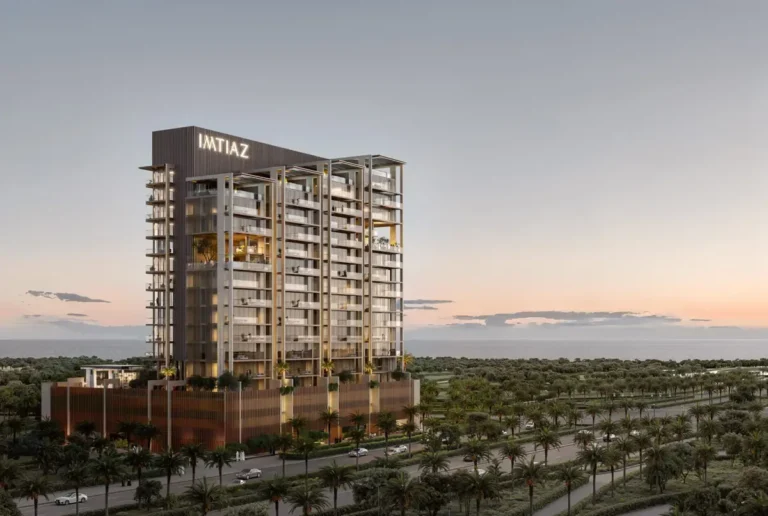
The Abu Dhabi real estate market is experiencing unprecedented growth in 2025, with off-plan developments in Abu Dhabi accounting for sixty-eight percent of all residential transactions. Behind the gleaming brochures and attractive payment plans lies a sophisticated pricing strategy that savvy investors need to understand. This comprehensive guide reveals how developers engineer “discounts” through price anchoring and, more importantly, how investors can negotiate back to secure genuine value in pre-launch off-plan properties.
Understanding Price Anchoring in Abu Dhabi’s Real Estate Market
Price anchoring is a psychological pricing strategy where developers establish a high reference price (the “anchor”) to make subsequent discounts appear more attractive. In the context of off-plan projects in Abu Dhabi, this manifests in several ways that shape buyer perception and purchasing decisions.
When you walk into a sales office for one of the new residential projects Abu Dhabi 2025, you’ll typically encounter introductory pricing positioned as exclusive launch offers. Developers like Aldar Properties, Modon Properties, and Bloom Holding carefully craft these initial price points to create a sense of urgency and value. The psychology behind this approach is straightforward yet effective: by presenting a higher “regular” price alongside a discounted “prelaunch” rate, buyers perceive they’re capturing significant savings, even when the launch price may already be calculated to deliver developer margins.
Research from the Abu Dhabi real estate market shows that properties marketed with fifteen to thirty percent prelaunch discounts often see absorption rates increase by forty to sixty percent compared to projects launched without such promotions. This data underscores why price anchoring has become standard practice across upcoming real estate projects in Abu Dhabi.
How Developers Engineer “Discounts” in Pre-Launch Phases
The mechanics of developer discounts in Abu Dhabi off-plan property sales involve multiple layers of strategic pricing. Understanding these mechanisms empowers investors to distinguish between genuine value and manufactured savings.
The Markup-Then-Discount Model
Developers typically begin with a comprehensive cost analysis that includes land acquisition, construction expenses, marketing budgets, and desired profit margins. However, rather than pricing at cost-plus-margin, they inflate the base price by twenty to forty percent before applying “exclusive” discounts. This creates the illusion of substantial savings while maintaining healthy developer returns.
For instance, a unit with an actual market value of two million dirhams might be listed at two point six million dirhams, then offered at two point two million dirhams as a “prelaunch special.” Buyers believe they’ve saved four hundred thousand dirhams, when in reality they’re paying two hundred thousand above fair value. This practice is particularly prevalent in branded residences in Abu Dhabi, where luxury positioning justifies higher anchor prices.
Strategic Timing and Seasonal Promotions
According to recent market analysis, Abu Dhabi developers leverage specific periods to maximize discount appeal. Ramadan promotions have become especially significant, with developers offering up to thirty percent discounts on new launches. These seasonal offers create time-limited pressure that accelerates decision-making.
A real estate expert noted that March and Ramadan mark crucial periods for property decisions, as residents confirm their housing plans for the year ahead. Developers capitalize on this annual cycle by positioning their most attractive discount packages during these windows, knowing that buyer psychology favors immediate action when confronted with expiring offers.
Flexible Payment Plans as Perceived Discounts
One of the most sophisticated anchoring techniques involves flexible payment plans that appear to reduce financial burden while actually securing higher total prices. Developers offering five to twenty percent down payments with construction-linked payment plans or post-handover payment options frame these as valuable concessions worth thousands of dirhams.
The table below illustrates how different payment structures affect perceived versus actual value:
| Payment Structure | Down Payment | During Construction | At Handover | Post-Handover | Perceived Benefit | Actual Premium |
| Standard 80/20 | 20% | 0% | 80% | 0% | Baseline | 0% |
| Construction 60/40 | 10% | 50% | 40% | 0% | Lower entry barrier | 3-5% higher price |
| Post-Handover 50/30/20 | 10% | 40% | 30% | 20% | Extended affordability | 8-12% higher price |
| Monthly 1% Plan | 20% | 80% (monthly) | 0% | 0% | Rent-like payments | 5-8% higher price |
Developers market these payment structures as exclusive benefits, when analysis shows they typically command price premiums that offset the perceived value. Projects in high-yield investment zones, such as Abu Dhabi, particularly leverage this approach, as detailed in comprehensive guides about pre-launch off-plan projects in high-yield investment zones.
Bundled Incentives and Fee Waivers
Another layer of engineered discounts involves bundled incentives that inflate perceived value without reducing developer revenue. Common offerings include waived registration fees (typically two percent), complimentary service charges for one to two years, free furnishing packages, or guaranteed rental returns.
While these additions certainly provide value, developers incorporate their cost into the base price. A unit priced at one point eight million dirhams with twenty thousand dirhams in waived fees still generates equivalent revenue to a one point seven eight million dirham unit sold without incentives. The psychological impact, however, differs dramatically, as buyers focus on the “free” benefits rather than questioning the underlying price.

The Psychology Behind Buyer Decision-Making
Understanding why price anchoring works requires examining cognitive biases that influence real estate investment decisions. Even sophisticated investors fall prey to these psychological mechanisms when evaluating off-plan properties in Abu Dhabi.
Anchoring Bias and Reference Points
Human brains naturally gravitate toward initial information when making judgments. When a developer presents a unit at three million dirhams marked down to two point four million dirhams, the three million figure becomes the reference point against which value is measured. Buyers fixate on the six hundred thousand dirham savings rather than researching whether two point four million represents fair market value.
This bias proves especially powerful in new villa projects in Abu Dhabi and luxury segments, where comparable sales data may be limited. Without clear market references, the developer-provided anchor becomes the primary valuation guide.
Scarcity and Urgency Tactics
Developers amplify price anchoring through artificial scarcity. Phrases like “only ten units at launch pricing” or “early bird rates end this weekend” trigger fear of missing out that overrides rational analysis. Combined with price anchors, these urgency tactics create a powerful psychological cocktail that drives rapid purchasing decisions.
The latest real estate project launches in prime locations like Saadiyat Island and Yas Island frequently employ this strategy, as evidenced by reports of projects selling out within hours of launch. While genuine demand certainly exists, the scarcity narrative often exceeds actual inventory constraints.
Social Proof and Market Momentum
When developers announce that fifty percent of units are sold within the first week, they create social validation that reinforces the anchor price. If hundreds of buyers accepted the pricing, individual investors reason, it must represent fair value. This herd mentality particularly affects off-plan developments in Abu Dhabi in trendy locations where market momentum becomes self-reinforcing.
How Investors Can Negotiate Back: Proven Strategies
Armed with an understanding of developer pricing psychology, investors can employ counter-strategies to negotiate genuine value in pre-launch off-plan properties. The following approaches have proven effective in the Abu Dhabi property market.
Conduct Independent Market Research
Before engaging with developer sales teams, investors should establish their own value anchors through comprehensive market analysis. This means researching comparable properties in similar locations, analyzing recent transaction data from the Abu Dhabi Real Estate Centre, and consulting independent valuation experts.
For off-plan projects in Abu Dhabi, examining completed developments by the same developer provides insight into typical appreciation patterns. If historical data shows a fifteen percent appreciation from launch to handover, but the developer claims a thirty percent potential, this discrepancy reveals inflated anchoring.
Resources like Abu Dhabi’s hottest off-plan developments guide offer detailed project comparisons that help establish realistic value benchmarks independent of developer marketing.
Challenge the Anchor Price Directly
When presented with discounted pricing, savvy investors question the original anchor. Ask the sales representative: “What methodology determined the base price of three million dirhams?” or “Can you provide comparable sales data supporting this valuation?” Most sales teams cannot substantiate inflated anchors with objective market evidence.
This direct challenge often reveals flexibility in pricing that contradicts the “fixed” discount structure. If a unit is truly worth the discounted price, the developer should welcome scrutiny rather than deflecting with urgency tactics.
Leverage Multiple Project Comparisons
Negotiating leverage increases when investors evaluate multiple upcoming real estate projects in Abu Dhabi simultaneously. By obtaining pricing and incentive packages from competing developments, you create competitive pressure that often yields additional concessions.
For example, if one developer offers a ten percent discount with standard payment plans while a competitor provides a fifteen percent discount with extended post-handover terms, you can leverage this gap. Present the competing offer and request matching or superior terms. Developers heavily invested in marketing and project momentum often accommodate reasonable requests rather than lose a sale to competition.
Time Your Purchase Strategically
While developers create urgency around launch periods, historical patterns suggest optimal negotiation windows occur during shoulder periods between major marketing pushes. The weeks following initial launch frenzy, mid-year lulls, and end-of-quarter sales targets present opportunities for enhanced discounts.
Additionally, developers facing construction milestones may offer better terms to generate cash flow for project advancement. Monitoring project timelines and developer financial reports can reveal these pressure points where negotiating leverage peaks.
Focus on Total Cost of Ownership
Rather than fixating solely on purchase price, sophisticated investors negotiate around total ownership costs, including registration fees, service charges, payment plan interest (even if nominally zero), and exit costs. A unit priced five percent higher with substantially lower service charges may deliver superior long-term value.
Request detailed breakdowns of all costs over your intended holding period. When developers resist transparency on fees, this often signals inflated pricing that compensates for advertised discounts.
Negotiate Beyond Price
Sometimes the most valuable concessions aren’t price reductions but enhanced terms that improve investment returns. These might include better unit selection (corner units, higher floors, superior views), guaranteed buy-back clauses, extended warranty periods, or flexible exit options before completion.
For Abu Dhabi pre-launch off-plan projects, the ability to select premium inventory before public launch can generate value exceeding direct discounts. A unit with superior views might command twenty percent higher resale value, far exceeding a five percent price reduction on a standard unit.
Current Market Dynamics in Abu Dhabi Real Estate
The Abu Dhabi real estate market 2025 presents unique conditions that influence price anchoring effectiveness and negotiation opportunities. Understanding these dynamics helps investors position their strategies optimally.
Supply and Demand Balance
Transaction values reached fifty-three point two billion dirhams in the first half of 2025, with off-plan sales representing sixty-eight percent of the total. This robust demand empowers developers to maintain firm pricing, yet the planned supply pipeline of eighty-five hundred new homes creates competitive pressure that favors well-informed buyers.
Projects in established zones like Al Reem Island and emerging areas like Al Mamoura feature different negotiation dynamics. Established locations with proven appreciation histories support firmer pricing, while newer developments often offer enhanced incentives to establish market position. Investors can explore specific opportunities through the Al Reem Island off-plan apartments guide.
Developer Positioning and Track Records
Different developers employ varying price anchoring strategies based on their market positioning. Premium developers like Aldar Properties leverage brand reputation to justify higher anchors with modest discounts, while mid-market players like Reportage Properties compete through aggressive discount marketing.
Analyzing developer delivery histories, project quality, and financial stability helps investors assess whether pricing reflects genuine value or marketing inflation. Developers with consistent on-time delivery and quality execution can justify premium pricing, while those with delayed projects or quality issues warrant deeper discount demands.
Regulatory Environment and Buyer Protections
Abu Dhabi’s regulatory framework, including RERA oversight and mandatory escrow accounts, provides security that reduces investor risk. However, these protections don’t address pricing fairness. The Real Estate Regulatory Authority ensures developers fulfill contractual obligations, but doesn’t regulate whether launch prices represent market value.
Understanding this distinction helps investors recognize that regulatory compliance doesn’t validate pricing strategies. Due diligence remains essential regardless of developer registration status.
Case Studies: Real Negotiation Scenarios
Examining actual negotiation outcomes illustrates how theory translates to practice in Abu Dhabi off-plan property transactions.
Scenario One: The Branded Residence Investor
An investor evaluating a Mandarin Oriental-branded residence on Saadiyat Island encountered a five million dirham anchor price with a prelaunch discount to four point two million dirhams (sixteen percent savings). Independent valuation suggested fair market value around three point eight million dirhams based on comparable luxury properties.
Through strategic negotiation emphasizing competing projects and questioning anchor justification, the investor secured four million dirhams with enhanced specifications worth one hundred thousand dirhams and extended payment terms. The total package delivered genuine value exceeding the original “discount.”
Scenario Two: The Villa Community Buyer
A family purchasing a new villa development received a three-million-dirham quote with a ten percent early-bird discount to two point seven million dirhams. Research revealed similar villas in established communities selling for two point four million dirhams.
By presenting comparable data and expressing willingness to wait for market adjustment, the family negotiated to two point five million dirhams with waived registration fees and upgraded landscaping. The developer, facing quarterly sales targets, accepted terms that maintained project momentum while delivering substantive buyer value.
Scenario Three: The Investment Portfolio Diversification
An institutional investor purchasing multiple units across several best-of-plan projects in Abu Dhabi leveraged volume to negotiate beyond advertised rates. Rather than accepting standard fifteen percent discounts, they secured twenty-two percent reductions with superior payment terms and guaranteed rental returns for three years.
The key was demonstrating serious capital commitment while maintaining a willingness to allocate funds to competing developments. Developers prioritize large investors who can absorb significant inventory, creating negotiation leverage unavailable to individual buyers.

Red Flags: When to Walk Away
Despite attractive anchored pricing, certain warning signs indicate you should decline even heavily discounted off-plan properties in Abu Dhabi.
Unsustainable Discount Depth
Discounts exceeding thirty percent often signal overpriced anchors or fundamental project viability issues. If a developer can afford forty percent off and remain profitable, the original pricing was likely inflated beyond reasonable levels or the project faces demand challenges requiring desperate liquidation.
Opaque Fee Structures
Developers resisting detailed cost breakdowns or providing vague estimates for service charges, community fees, and exit costs likely conceal expenses that erode advertised discounts. Transparency in all ownership costs should be non-negotiable.
Pressure-Only Sales Tactics
Sales teams relying exclusively on urgency and scarcity without substantive project information prioritize transaction volume over buyer fit. Quality developments sell based on inherent merit rather than manufactured pressure.
Weak Developer Track Records
Developers with histories of delayed projects, quality issues, or legal disputes warrant extreme caution regardless of pricing. The value of any discount evaporates if the project fails to deliver as promised. Resources like a long-term investment guide for Abu Dhabi projects provide developer analysis to inform decisions.
Looking Ahead: Future of Pricing in Abu Dhabi Real Estate
As the Abu Dhabi property market matures, price anchoring strategies continue evolving. Several trends will shape future negotiation dynamics.
Increased Price Transparency
Growing market sophistication and digital platforms providing transaction data will challenge traditional anchoring effectiveness. When buyers can instantly access comparable sales, inflated anchors become harder to sustain. This transparency trend favors educated investors who leverage data in negotiations.
Performance-Based Pricing Models
Some developers are experimenting with pricing linked to actual delivery milestones and market performance. These models reduce anchoring relevance by tying costs to objective benchmarks rather than developer-set reference points. While still emerging, performance pricing could reshape off-plan developments in Abu Dhabi in the coming years.
Regulatory Scrutiny of Marketing Practices
As consumer protection strengthens, regulators may eventually address misleading discount advertising. Markets that have implemented truth-in-advertising requirements for real estate pricing show reduced anchor inflation, benefiting genuine buyers while challenging developers reliant on psychological tactics.
Conclusion: Empowered Investing in Abu Dhabi’s Market
The Abu Dhabi real estate market offers tremendous opportunities for investors who understand the psychology and mechanics of developer pricing strategies. While price anchoring and engineered discounts are standard industry practices, they need not disadvantage informed buyers. By conducting thorough research, questioning anchor justifications, leveraging competitive dynamics, and negotiating holistically around total value, investors can secure genuine benefits in pre-launch off-plan properties.
The market’s strong fundamentals, including seventeen point three percent year-on-year price growth, robust transaction volumes exceeding fifty billion dirhams, and diverse new residential projects in Abu Dhabi 2025, support long-term investment success. However, success requires looking beyond surface-level discount marketing to understand true value propositions.
As you explore opportunities in off-plan developments in Abu Dhabi, remember that the best investments combine attractive pricing with strong locations, reputable developers, sound market fundamentals, and legal protections. The strategies outlined in this guide empower you to negotiate from positions of strength while avoiding psychological manipulation that compromises returns.
Ready to apply these negotiation strategies to your next Abu Dhabi off-plan property investment? Fill out the form on our website prelaunch.ae to receive exclusive access to upcoming project launches, detailed payment plan comparisons, and expert investment guidance. Our team provides personalized analysis that cuts through marketing hype to identify genuine value opportunities in the market.
For immediate consultation on specific projects or negotiation support, contact us at (+971) 52 341 7272 or email sales@mbrproperties.ae. We specialize in helping investors navigate developer pricing strategies to secure optimal terms across the best off-plan projects in Abu Dhabi. Your investment success begins with informed decision-making backed by expert market knowledge.
Frequently Asked Questions
What is price anchoring in Abu Dhabi real estate?
Price anchoring is a marketing strategy where developers establish a high reference price for properties, then offer discounts from that anchor to create perceived value. In the Abu Dhabi market, this typically manifests as prelaunch prices marked fifteen to thirty percent below listed rates, though the anchor itself may be inflated above true market value.
How can I determine if a prelaunch discount is genuine?
Conduct independent market research by analyzing comparable property sales in similar locations, consulting with independent valuers, and examining the developer’s historical pricing patterns. Compare multiple projects simultaneously and question the methodology behind anchor prices. Genuine discounts should withstand objective scrutiny.
What is the typical discount range for off-plan properties in Abu Dhabi?
Legitimate prelaunch discounts in the Abu Dhabi market typically range from ten to twenty percent below comparable ready properties. Discounts claiming thirty to forty percent often indicate inflated anchor pricing rather than exceptional value, though exceptions exist for bulk purchases or developer liquidation scenarios.
Can I negotiate beyond advertised prelaunch rates?
Yes, most developers build negotiation flexibility into pricing structures. Effective strategies include presenting competing offers, purchasing multiple units, timing purchases during slower sales periods, and focusing on total ownership costs rather than price alone. Investors who demonstrate serious intent while maintaining alternatives typically secure enhanced terms.
What payment plans offer the best value in Abu Dhabi?
Payment plan value depends on your capital position and investment timeline. Construction-linked plans (sixty-forty or seventy-thirty) generally offer better value than extended post-handover schemes that command higher price premiums. However, individuals with strong cash flow may benefit from standard eighty-twenty plans that avoid extended payment premiums. Evaluate total cost across your holding period rather than focusing solely on initial affordability.
Are branded residences worth the price premium?
Branded residences in Abu Dhabi typically command twenty to thirty-five percent premiums over comparable non-branded properties. Whether this premium is justified depends on rental yield expectations, resale liquidity, and personal value placed on associated services. High-net-worth investors often find the premium worthwhile, while yield-focused investors may achieve better returns in non-branded properties. Detailed analysis of branded residence opportunities is available in the Rise of Branded Residences guide.
How do I protect myself from developer pricing manipulation?
Establish your own value anchors through independent research, demand transparent cost breakdowns for all ownership expenses, compare multiple competing projects, engage independent legal and valuation advisors, and maintain a willingness to walk away from deals that don’t withstand scrutiny. The regulatory environment provides project delivery protection but doesn’t ensure pricing fairness, making personal due diligence essential.