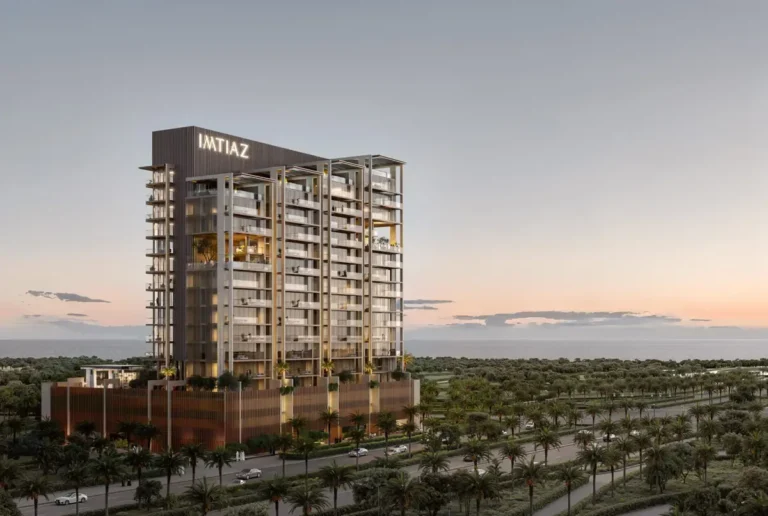
The UAE’s off-plan property market has delivered extraordinary returns for early investors, with some prelaunch purchases appreciating 20-30% before construction completion. However, beneath this success story lurks a dangerous phenomenon that has destroyed wealth for countless investors who failed to recognize the warning signs: investor crowd risk. When a prelaunch project attracts predominantly speculative buyers intent on quick flips rather than genuine end-users or long-term investors, the entire development becomes a house of cards waiting to collapse at the first sign of market weakness.
As we navigate 2026, with Dubai facing potential delivery of over 100,000 residential units and analysts warning of possible 15% price corrections in oversupplied segments, the ability to distinguish between healthy prelaunch opportunities and flip-heavy traps has become essential for protecting capital. This comprehensive guide examines the specific red flags that signal dangerous investor crowd concentration, the market dynamics that make certain off-plan launches particularly vulnerable to speculative collapse, and the strategic framework for evaluating prelaunch opportunities before committing capital.
Understanding investor crowd risk requires recognizing that not all prelaunch buyers contribute equally to project stability. End-users who plan to occupy their purchased units create genuine demand and provide price support during market downturns. Long-term buy-to-let investors seeking rental income similarly contribute to market stability, as they hold properties through temporary price weakness to capture consistent cash flow. Conversely, short-term flippers who purchase with the sole intention of reselling before completion create artificial demand that evaporates the moment market sentiment shifts, leaving late-stage buyers trapped with properties they cannot sell at a profit.
The Anatomy of Flip-Heavy Off-Plan Launches: Why Investor Concentration Destroys Value
Flip-heavy off-plan launches share common characteristics that distinguish them from fundamentally sound prelaunch opportunities. These projects typically feature aggressive payment plans designed to minimize capital requirements, extensive broker marketing campaigns targeting investor networks, and pricing strategies that prioritize rapid sell-through over sustainable valuations. When these elements combine, they create a self-reinforcing cycle where speculative buying drives initial price appreciation, which attracts additional speculators seeking to capture momentum, ultimately building unsustainable valuations that collapse when the supply of new speculators exhausts itself.
The mathematical reality of property flipping in Dubai creates inherent vulnerability in flip-dominated launches. Consider a typical scenario where a developer launches a 500-unit project at AED 1.2 million per apartment with a 10% down payment requirement. If 70% of buyers are flippers who each paid only AED 120,000, the project has genuine committed capital of just AED 42 million against a total value of AED 600 million. This creates extreme fragility because flippers can walk away from small down payments when market conditions deteriorate, leaving the project with massive unsold inventory and destroying value for the remaining 30% of legitimate investors who made larger commitments.
The timing dynamics of flipping resale further amplify risk in investor-heavy projects. Most flippers target the 40-60% construction completion window for resales, when the property feels tangible enough to command premium pricing but early enough to avoid competing with post-handover inventory. When multiple flippers simultaneously attempt to exit at this same construction milestone, they flood the market with competing inventory, driving down achievable resale prices and trapping later-stage flippers who lack buyers willing to pay premiums for pre-completion units.
This dynamic played out dramatically in certain Dubai communities during the 2014-2016 correction, when investor-heavy developments in emerging areas like Dubai Studio City and Jumeirah Village Circle experienced price declines exceeding 25% as flippers rushed for exits simultaneously. Projects with balanced buyer compositions in the same general areas showed far greater resilience, with prices declining only 10-15% before stabilizing, because end-users and long-term investors provided natural demand absorption during the downturn.
The developer incentive structure also contributes to flip-heavy project dynamics. Developers facing financing constraints or seeking rapid capital return often deliberately court investor buyers through aggressive payment terms and broker commission structures. While this accelerates initial sales velocity and allows developers to showcase sold-out status, it creates future problems when the investor-dominated buyer base begins flipping en masse. For buyers seeking to understand strategic off-plan investment approaches, recognizing this developer behavior pattern is essential for avoiding projects built on speculative foundations rather than genuine demand.

Red Flags: Eight Warning Signs of Dangerous Investor Concentration in Prelaunch Projects
Identifying flip-heavy off-plan launches before committing capital requires systematic evaluation of specific warning indicators that reveal unhealthy investor concentration. These red flags rarely appear in isolation; projects exhibiting multiple warning signs should trigger immediate caution regardless of attractive pricing or developer promises about future appreciation.
Extremely aggressive payment plans represent the most obvious warning sign of flip-oriented projects. When developers offer 10% down payments with 90% deferred until handover, or 5-year post-handover payment terms, they explicitly signal targeting of speculative buyers rather than financially committed purchasers. Legitimate end-users and serious investors generally prefer more balanced payment schedules around 30-40% during construction, as these terms demonstrate developer confidence in project completion and reduce total interest costs. Projects advertising 1% monthly payment plans or similar gimmicks almost universally attract predominantly flipper populations and should be avoided by conservative investors.
Broker-dominated sales channels provide another critical warning indicator. When a developer relies heavily on broker networks rather than direct sales channels, it suggests the project lacks organic demand from end-users who discovered it through lifestyle research or location preference. Brokers naturally target their investor client databases when marketing new launches, creating instant investor concentration. Additionally, high broker commissions of 3-5% or more indicate the developer is paying premium rates to attract speculative volume rather than allowing genuine demand to drive sales organically.
Unclear or problematic developer track record often correlates with flip-heavy projects. Established developers like Emaar Properties, Meraas, and DAMAC Properties maintain reputations built over decades and cannot afford to launch projects that damage brand equity through speculation-driven price crashes. Newer or unknown developers facing pressure to establish market presence sometimes pursue aggressive sales strategies that attract flippers, as they prioritize short-term capital raising over long-term project stability. Before investing in any prelaunch, verify the developer’s history of on-time delivery, construction quality, and post-handover service quality through independent research beyond marketing materials.
Location characteristics reveal significant insights about likely buyer composition. Projects in established communities with proven end-user demand, like Dubai Marina, Downtown Dubai, or Dubai Hills Estate, naturally attract more balanced buyer mixes because genuine residents actively seek homes in these areas. Conversely, projects in emerging or unproven locations far from established amenities, employment centers, and schools tend to attract speculative buyers gambling on future area development rather than end-users seeking immediate lifestyle benefits. For investors exploring high-yield investment zones, distinguishing between established demand drivers and speculative location bets is essential.
Unit type and pricing mismatches signal projects designed for flippers rather than end-users. When a development consists primarily of studios and one-bedroom apartments priced at AED 800,000-1.2 million, the pricing eliminates genuine first-time buyers who seek affordable entry points while attracting investors seeking low absolute capital requirements for flipping. Conversely, projects offering predominantly three-bedroom apartments priced at AED 2-3 million target the family end-user segment that demonstrates lower flip propensity because families need actual housing rather than speculative positions.
Marketing emphasis and language provide subtle but revealing indicators of the target audience. Developers marketing projects with phrases like “perfect investment opportunity,” “guaranteed appreciation,” “limited release for investors,” or heavy emphasis on payment plan flexibility over lifestyle amenities signal intentional targeting of speculative buyers. End-user focused marketing emphasizes school proximity, community facilities, design quality, and lifestyle benefits rather than financial engineering and flip potential.
Launch timing relative to the market cycle affects project vulnerability to investor concentration risk. Projects launching during late-cycle market peaks when appreciation has already occurred tend to attract greater speculator interest because recent price gains create momentum-chasing behavior. For context on current market positioning, understanding whether Dubai’s market faces maturity or bubble conditions helps calibrate risk assessment for new launches.
Presale velocity and sellout claims warrant scrutiny. When developers announce 70-100% sold status within days or weeks of launch, this typically indicates heavy investor buying rather than organic end-user demand. Genuine end-users require time for family consultations, location visits, school research, and financing arrangements. Instant sellouts suggest buyers making quick speculative decisions without thorough due diligence, creating investor-heavy ownership composition from day one.
Market Dynamics That Amplify Flip Risk: Understanding the 2026 Supply-Demand Equation
The broader Dubai off-plan market conditions in 2026 create particularly dangerous environments for flip-heavy projects due to unprecedented supply delivery converging with potential demand moderation. Understanding these macro dynamics helps investors recognize which specific project types and locations face the greatest vulnerability to investor crowd collapse.
The supply pipeline represents the most significant risk factor for 2026-2027. With estimates ranging from 100,000 to 180,000 residential unit deliveries across this period, Dubai faces potential absorption challenges unless population growth and end-user demand maintain an extraordinary pace. This massive supply wave creates especially acute risk for flip-heavy projects because speculators rely on scarcity to drive resale premiums. When supply abundance replaces scarcity, the fundamental basis for flipping profits evaporates.
The apartment segment faces particular oversupply risk, with the majority of pipeline deliveries consisting of studios and one-to two-bedroom units in communities like Jumeirah Village Circle, Business Bay, and Dubai South. These mid-market apartments have historically attracted heavy investor interest, meaning many delivered units will hit resale markets simultaneously as construction-phase flippers attempt exits. For investors considering Dubai off-plan exit strategies, recognizing this supply concentration is essential for timing decisions.
Interest rate dynamics also influence flip profitability and investor crowd behavior. Although UAE rates have remained relatively low through 2024-2025, any increases would reduce mortgage affordability for potential buyers of flipped units, compressing the buyer pool that speculators depend upon for profitable exits. Additionally, rising rates increase carry costs for investors who must hold properties longer than anticipated, potentially forcing distressed sales that depress prices across investor-heavy developments.
The end-user versus investor ratio in Dubai’s overall market provides important context. Recent data suggests end-users now represent approximately 40-45% of off-plan purchases, up from 30-35% in previous cycles. This shift toward greater end-user participation represents healthy market evolution, but it also means projects that deviate dramatically from this ratio by attracting 70-80% investor composition face a greater risk of becoming outliers during any market correction.
Currency and economic conditions affecting key investor source countries create additional vulnerability for flip-dominated projects. When Indian, Chinese, or Middle Eastern investor confidence weakens due to home country economic challenges, speculative buying from these regions contracts rapidly. Projects heavily dependent on specific investor nationality groups become particularly vulnerable to sudden demand evaporation when source country conditions deteriorate.
Developer Quality as the Ultimate Risk Filter: Why Track Record Matters More in Uncertain Markets
Developer selection becomes exponentially more important during potential market correction environments because quality developers with proven delivery track records and strong balance sheets can weather temporary market weakness while maintaining project momentum. Conversely, weaker developers facing cash flow pressure may delay construction, reduce quality, or abandon projects entirely when faced with market headwinds, destroying investor capital regardless of initial purchase price advantages.
The escrow account framework mandated by RERA regulations provides important investor protection by ensuring developer access to buyer funds remains tied to construction milestones. However, escrow protection proves insufficient when developers lack adequate equity capital, construction expertise, or financial reserves to complete projects during market downturns. Buyers should verify that chosen developers maintain strong balance sheets capable of completing projects even if sales revenues decline or construction costs increase unexpectedly.
Emaar Properties, as Dubai’s largest and most established developer, exemplifies the track record and financial strength that provide downside protection during market stress. The company’s massive land bank, diversified revenue streams including malls and hospitality, and emirate-level connections ensure project completion even during market corrections. Purchasing in Emaar developments like Dubai Creek Harbour or Emaar Beachfront provides implicit downside protection because the developer can complete projects regardless of short-term market conditions.
Nakheel similarly offers strong completion assurance due to government backing and a proven track record of delivering iconic projects, including Palm Jumeirah and various communities throughout Dubai. The developer’s financial strength ensures even flip-heavy projects within its portfolio ultimately deliver, protecting late-stage investors from total capital loss even if they cannot achieve flip profits.
Newer or mid-tier developers require more careful evaluation of financial capacity, construction track record, and project-specific risk factors. Investors should research developer reputation through multiple independent channels, including media coverage, online reviews, and conversations with buyers in previously completed developments. Projects by developers lacking established track records should be approached with extreme caution, regardless of attractive pricing, as completion risk compounds investor crowd risk to create unacceptable total risk profiles.
The developer’s own marketing behavior also signals project health. Quality developers with genuine confidence in long-term project value resist pressure to offer extremely aggressive payment terms or excessive broker commissions because they prefer attracting committed buyers over speculative volume. When established developers suddenly shift to aggressive sales tactics on specific projects, this may indicate concerns about demand fundamentals or recognition that the project serves a secondary role in the portfolio.
Strategic Framework for Evaluating Prelaunch Opportunities: A Risk-Adjusted Approach
Implementing systematic evaluation methodology allows investors to distinguish between healthy prelaunch opportunities and dangerous flip traps before committing capital. This framework combines quantitative metrics with qualitative judgment to produce a holistic risk assessment.
Step one involves creating a comprehensive developer scorecard that evaluates financial strength, delivery track record, construction quality, and post-handover service quality on standardized scales. Developers scoring below minimum thresholds should be eliminated from consideration regardless of project-specific attributes. This filter alone eliminates the majority of highest-risk opportunities because quality developers rarely produce the conditions that enable dangerous investor concentration.
Step two analyzes the payment plan structure to determine likely investor concentration. Calculate the minimum capital required for purchase under the offered payment terms, then compare this to the typical end-user financing capacity. If the minimum required capital sits well below what end-users could afford in down payments for direct purchase or mortgaging of completed units, the payment plan likely targets investors. Payment plans requiring 30-40% during construction with balanced milestone schedules indicate end-user-friendly terms, while 10% down or extensive post-handover deferrals signal investor targeting.
Step three examines location fundamentals through the lens of end-user demand drivers. Quality locations demonstrate proximity to employment centers, international schools, medical facilities, shopping, and entertainment. They offer established community infrastructure, including parks, walkways, and social spaces. Emerging locations may deliver superior appreciation over extended timeframes, but they attract disproportionate investor interest during early phases, creating greater flip concentration risk. Conservative investors should emphasize established locations during late-cycle market environments.
Step four evaluates unit type and pricing alignment with the target market’s purchasing capacity. Two-bedroom apartments priced at AED 1.5-2 million target young families and represent the least speculative segment. Studios and one-bedrooms below AED 1 million attract heavy investor interest. Three-bedroom units and villas above AED 3 million target established families with lower flip propensity. Matching unit type to likely buyer psychology helps assess project-level investor concentration risk.
Step five investigates recent transaction velocity and ownership patterns for comparable projects by the same developer in similar locations. If the developer’s recent projects in the area sold rapidly with visible resale activity on property portals within months of initial sales, this indicates investor-heavy buying patterns. Conversely, slower absorption with limited resale listings suggests end-user dominated buyer composition. For investors seeking guidance on maximizing returns with pre-launch properties, this historical pattern analysis provides critical context.
Step six conducts scenario analysis, examining investment outcomes under various market conditions. Model the investment assuming 15% price appreciation, no price change, and 15% price decline. Calculate break-even timelines and required holding periods for positive returns under each scenario. If positive returns require sustained price appreciation, the investment carries speculation risk unsuitable for conservative capital. Projects offering acceptable returns even under flat or modest decline scenarios providea greater margin of safety.
Protecting Your Capital: Practical Strategies for Flip-Heavy Market Environments
Sophisticated investors can participate successfully in off-plan markets even during periods of elevated flip activity by implementing protective strategies that reduce vulnerability to investor crowd risk. These approaches emphasize margin of safety, timing flexibility, and downside protection over maximum return optimization.
Emphasizing projects with demonstrated end-user demand provides the most direct protection against flip risk. Developments in established family communities like Al Raha Gardens in Abu Dhabi or Arabian Ranches in Dubai naturally attract owner-occupier buyers seeking lifestyle amenities rather than speculative returns. These areas maintain value during corrections because genuine housing demand supports prices independent of investor sentiment.
Favoring villa and townhouse segments over apartments reduces flip exposure because higher absolute purchase prices and lifestyle orientation attract more end-users and long-term investors. While villas deliver lower percentage yields, they demonstrate greater price stability during corrections because owner-occupiers provide a natural demand floor. Projects offering high-ROI commercial properties can provide portfolio diversification away from residential flip dynamics entirely.
Selecting larger down payment commitments than the minimum required demonstrates financial commitment and aligns interest with project success rather than quick flip profits. Paying 30-40% during construction, even when 10% terms are availabl,e reduces temptation to walk away during market weakness and positions the investment for long-term value creation rather than short-term speculation.
Avoiding projects advertising immediate investor sellouts protects against maximum flip concentration. When developers announce 90% sold within weeks of launch, late buyers become trapped in developments where the vast majority of owners seek simultaneous exits. Purchasing in projects showing steady but measured absorption over 3-6 months typically indicates a healthier end-user mix.
Maintaining strict exit discipline prevents the emotional attachment that transforms intended flips into forced long-term holds. Before purchasing, establish clear criteria for successful flip exit, including target profit margins, acceptable holding periods, and conditions that would trigger holding rather than selling. If these targets prove unachievable, exit even at modest losses rather than hoping for market recovery that may take years.
Diversifying across developers, locations, and unit types prevents concentration risk that amplifies portfolio damage when specific projects or areas experience investor crowd collapses. A portfolio containing varied exposure across different Dubai communities, Abu Dhabi developments, and potentially Ras Al Khaimah properties distributes risk and ensures some holdings perform well even if others disappoint.
Secure Your Off-Plan Investment with Expert Guidance
Navigating the UAE’s off-plan market in 2026 requires a sophisticated understanding of investor crowd dynamics, market cycle positioning, and developer quality assessment. While flip-heavy projects present genuine risks that can destroy capital, disciplined investors applying systematic evaluation frameworks can identify healthy prelaunch opportunities offering compelling appreciation potential without unacceptable speculation exposure.
The key to successful prelaunch investing lies not in avoiding all risk but in distinguishing between compensated risks in fundamentally sound projects and uncompensated speculation in flip-dominated developments built on momentum rather than genuine demand. Projects combining quality developers, established locations, balanced payment terms, and end-user-friendly unit types offer attractive risk-adjusted returns even in uncertain market environments.
Ready to access exclusive off-plan opportunities that combine appreciation potential with downside protection through proper due diligence and strategic project selection? Visit Prelaunch.ae to explore carefully curated prelaunch investments across Dubai, Abu Dhabi, and Ras Al Khaimah. Our expert team provides comprehensive developer analysis, location research, and buyer composition assessment to help you identify genuine value opportunities while avoiding dangerous flip traps.
Contact our investment specialists today:  (+971) 52 341 7272
  sales@mbrproperties.ae
Fill out the inquiry form on our website at Prelaunch.ae to receive personalized project recommendations based on your investment objectives, risk tolerance, and capital availability. Don’t let investor crowd risk destroy your wealth—partner with experienced professionals who understand the difference between speculation and sound investment strategy in the UAE’s dynamic off-plan landscape.
Frequently Asked Questions
How can I determine if a prelaunch project has too many investor buyers versus end-users?
Several indicators reveal likely investor concentration, starting with payment plan structure. Projects offering 10% down payments or less typically attract 60-70% investor buyers because end-users generally prefer and can afford more substantial initial commitments around 30-40%. Additionally, examine the developer’s marketing language and channels. Heavy broker distribution with commissions exceeding 2-3% signals investor targeting, while direct sales emphasis and lifestyle-focused marketing indicates end-user focus. Finally, research recent comparable projects by the same developer in similar locations. If previous launches showed rapid sellouts followed by significant resale listing activity within 6-12 months, expect similar investor-heavy patterns in the new launch.
What happens to property values in flip-heavy developments when the market corrects?
Flip-dominated projects experience disproportionate price declines during market corrections, typically falling 20-30% compared to 10-15% for balanced projects in similar locations. This amplified decline occurs because flippers attempt simultaneous exits when appreciation momentum reverses, flooding resale markets with competing inventory while genuine buyer demand remains limited. Additionally, some flippers walk away from down payments rather than complete purchases when market prices fall below committed purchase prices, leaving developers with unsold inventory that depresses pricing further. Projects in emerging locations with heavy investor concentration face greatest vulnerability, while established areas with end-user demand floors show greater resilience.
Is it still possible to profit from flipping off-plan properties in 2026 given the supply concerns?
Property flipping in Dubai remains viable in 2026 but requires significantly greater selectivity compared to 2023-2024’s broad market appreciation. Successful flipping now demands focusing on genuinely scarce product types like waterfront villas or ultra-luxury apartments rather than commodity mid-market units facing oversupply. Additionally, flippers must target projects by premium developers in established locations where end-user demand provides natural buyer pools, avoiding speculative emerging areas dependent on continued investor momentum. Timing also becomes critical—flippers should target exits at 30-40% construction completion before the 50-60% window when most flippers attempt resales, avoiding competition from other speculators.
Should I avoid all prelaunch opportunities if I’m concerned about investor crowd risk?
Avoiding all prelaunch purchases proves unnecessarily conservative and eliminates access to the genuine appreciation opportunities that early-stage buying provides. Instead, implement systematic evaluation focusing on developer track record, location fundamentals, payment plan structure, and unit type to identify projects with healthy end-user buyer mixes. Projects by established developers like Emaar in proven locations with balanced payment terms typically attract 50-60% end-user compositions that provide price stability. Conservative investors should simply avoid projects exhibiting multiple red flags like unknown developers, aggressive payment plans, emerging locations, and broker-dominated sales channels that indicate dangerous flip concentration.
How does investor crowd risk differ between Dubai and Abu Dhabi off-plan markets?Abu Dhabi’s off-plan market demonstrates significantly lower investor crowd risk compared to Dubai due to several structural differences. Abu Dhabi’s more conservative development approach limits new supply to approximately 6,500 units annually versus Dubai’s 100,000+ pipeline, creating supply scarcity that reduces flip profit dependency on artificial momentum. Additionally, Abu Dhabi’s employment base in stable government and energy sectors attracts more end-users and long-term investors rather than speculators seeking quick profits. Payment plan norms also differ, with Abu Dhabi developers typically requiring 30-40% during construction versus Dubai’s more aggressive 10-20% terms. For investors seeking stability, Abu Dhabi property investment opportunities generally offer healthier buyer compositions and lower flip concentration risk.