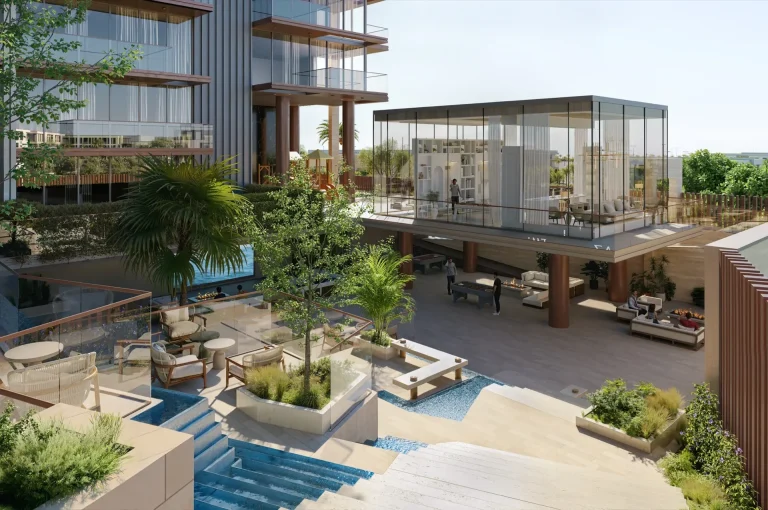
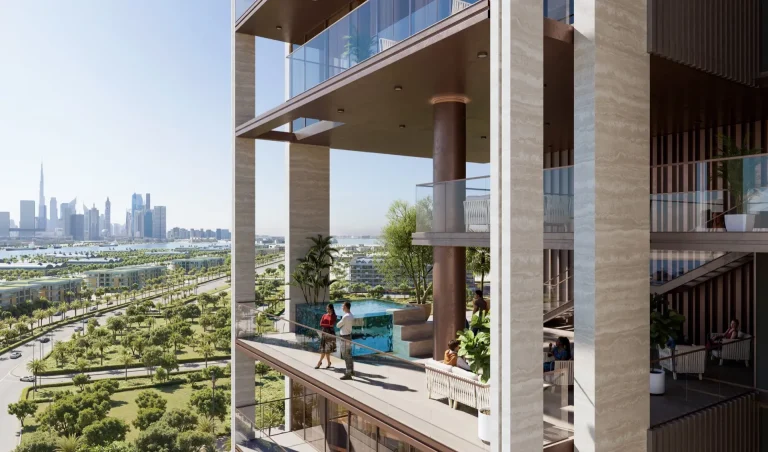
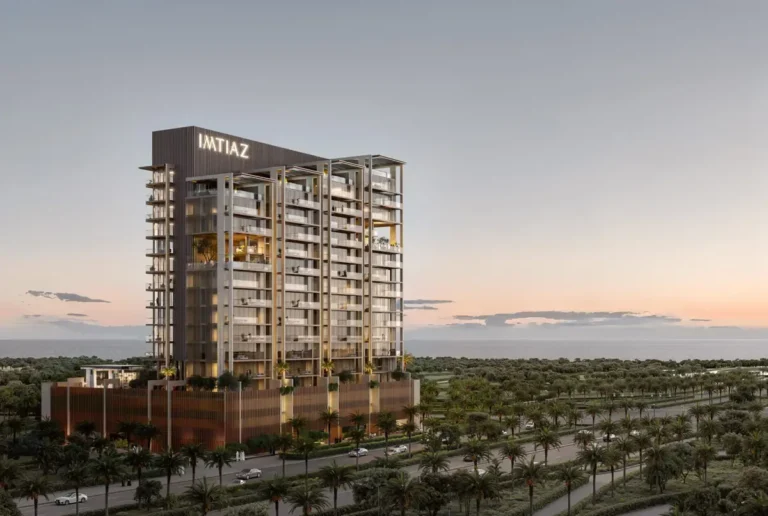
Dubai’s real estate market is booming in 2025, led by a historic surge in off-plan properties sales. In Q1 2025 alone, Dubai logged 42,000 transactions worth AED 114.4 billion, a 23% jump year-on-year. Remarkably, new developments now account for roughly 70% of all sales, reflecting a decisive shift toward off-plan investments. Analysts note that this trend is fueled by competitive pricing, flexible payment plans, and the promise of future price appreciation. Citywide, transactions have quintupled since 2020 to ~171,000 units in 2024. As a result, Dubai is adding an estimated 73,000 new homes this year, with nearly 300,000 more by 2028. This surge has made Dubai an international magnet; about 65% of off-plan buyers today are foreign investors (primarily from India, the UK, China, etc.), enticed by tax-free returns and visa incentives.
Mid-range communities are the hottest trend within this boom. Areas like Jumeirah Village Circle (JVC), Town Square, Arjan, Dubailand and Dubai South are attracting unprecedented demand as “value-driven off-plan opportunities”. In fact, Dubai’s leading property portal reports that budget-friendly suburbs (Dubai Residence Complex, Silicon Oasis, Damac Hills 2, Dubailand) have been prominent choices for value buyers. Likewise, mid-tier communities such as JVC, Business Bay, Al Furjan and Reem are seeing rising interest from buyers seeking quality at moderate prices. These communities typically offer lower per-square-foot prices than central Dubai, while still providing ample amenities and connectivity. For example, Dubai South apartments average only ~AED 954 per sq.ft. – a fraction of Downtown Dubai costs – making them especially appealing to entry-level investors.
There are several reasons behind the mid-range boom:
- Affordable Pricing: Off-plan projects in these communities launch at attractive prices. Developers often market them with discounts and post-handover payment options to keep upfront costs low. For instance, many offer a 90/10 payment plan (10% down, 90% on completion), allowing buyers to lock in a price with minimal downpayment. BNO News highlights that off-plan units typically cost significantly less than ready properties and come with “attractive launch prices, early bird discounts, and post-handover payment plans”. This flexibility widens the buyer pool to include first-time investors and owner-occupiers who might otherwise be priced out.
- Strong Rental Returns: Rental yields remain high in mid-market areas. Citywide, average apartment yields hover around 7%, but pockets of Dubai offer double-digit returns. According to Bayut’s Q1 2025 analysis, Dubai Investments Park leads with ~10.3% yields for apartments, followed by International City (9.1%) and Downtown Jebel Ali (9.0%). Among the mid-range communities specifically, Town Square, Al Furjan and Living Legends deliver 8–11% rental yields. Even JVC – often cited for value – offers solid villa returns of 5–8%. By comparison, luxury areas like Downtown or Marina yield only ~4-5%. Such high yields make mid-range off-plan units attractive to buy-to-let investors, especially when combined with future capital appreciation.
- Buyer Demographics: The buyers fueling this trend are diverse. Aside from the 65% foreign investors, about 20% of off-plan purchasers are local or expat first-time homebuyers. There is also a growing contingent of millennials and even Gen Z entering the market with long-term horizons. These younger investors favor smart, affordable options and are drawn to modern master-planned communities. They often seek built-in amenities such as pools, gyms, parks and schools – features now commonplace in mid-range projects. Dubai’s policy incentives (golden visas, long-term residency tied to property purchase) further bolster demand among international buyers.
Key Mid-Range Communities to Watch
Several Dubai neighborhoods stand out as best mid-range areas to invest in Dubai for 2025:
- Jumeirah Village Circle (JVC): Once a fringe suburb, JVC is now a top off-plan hotspot. It led Dubai in Q1 2025 with 4,330 new units delivered, and 3,330 apartment transactions (2,200 off-plan). JVC’s appeal lies in its consistently moderate prices (average apartments ~AED 880,000) and strong infrastructure. It offers parks, pools and community centers, yet remains closer to central Dubai than older suburbs. Rental yields for JVC villas are ~5.9%, among the city’s highest. Gulf News notes that, despite a recent price dip (~8.3% decline in JVC in 2024), rental yields and sales volumes indicate “long-term resilience”. In other words, savvy investors see JVC as a value buy with growth potential.
- Town Square Dubai: This sprawling development in Dubailand epitomizes family-focused affordability. Town Square offers a mix of apartments, townhouses and villas surrounded by parks and a central “town center” mall. Yields here are excellent – Bayut reports average returns of 8–11%. The area has benefited from major launches by developers like Nshama and others. Its moderate price-point (many off-plan 2-3BR townhouses start around AED 1 million) and extensive amenities make it a draw for budget-minded owners and renters alike.
- Dubai South (Expo City/Dubai World Central): Located around Al Maktoum International Airport, Dubai South is an emerging mega-community. It includes Expo City Dubai (the Expo 2020 site) and masterplans like MBR City. Prices here remain among the lowest for new launches; for example, average apt rates are about AED 954/sq.ft.. This, coupled with strategic infrastructure (future airport, logistics hub) is driving 35% higher transaction volumes versus a year ago. Developers such as Azizi and Danube have launched projects (e.g. Azizi Venice at Dubai South) targeting mid-income buyers. Buyers are also lured by guaranteed returns on some off-plan units – up to 10% in areas like Dubai South and Meydan – which are rare in the market.
- Dubailand: A vast, partly developed region, Dubailand includes communities like Motor City, International City, Dubailand City and others. It has been a magnet for affordable housing. For instance, International City and Dubai Investment Park provide some of the highest yields (around 9–10%) in the city. Town Square (mentioned above) is technically in Dubailand, and so is the new Living Legends community by Damac, which also targets mid-market. With large-scale land still available, Dubailand continues to see new off-plan launches from both Emirati and private developers.
- Arjan: Nestled near Miracle Garden, Arjan is a newer satellite community of Dubai. It has mostly mid-rise apartments and a few villa/townhouse clusters. Danube Properties has been active here (projects like Danube Amaranta). While specific stats are scarcer, Arjan’s popularity is rising as prices remain relatively low and the location between Dubai and Abu Dhabi highways is convenient. Recent data show that Arjan is in the top five areas for planned new units by 2028, indicating strong developer interest.
Each of these communities shares common draws: competitive pricing, modern amenities, and robust infrastructure plans. They cater to mid-tier buyers who seek quality living without the skyscraper premium of Downtown or Marina. As Gulf News observes, “as prices in central areas reach new highs, investors are widening their focus—targeting suburban communities, mid-market opportunities and assets with stable long-term returns”.
Major Developers Targeting the Mid-Market
A number of developers are capitalizing on Dubai’s mid-range boom:
- Azizi Developments: Known for rapid delivery and aggressive pricing, Azizi has launched multiple value projects in these areas (e.g. Azizi Riviera in Dubailand, Azizi Venice in Dubai South, Azizi Bloom in Business Bay). In 2024, Azizi ranked second among Dubai developers by off-plan sales, reflecting its popularity.
- Danube Properties: Danube specializes in affordable housing, particularly villas and townhouses. Their portfolio includes Danube Amaranta in Arjan and Danube Fenice in Dubailand. Danube frequently offers schemes like 1% monthly payment plans, making entries very accessible. In recent quarters they have been among the top-selling off-plan names (driven by quick handovers and low prices).
- Sobha Realty: While primarily seen as a premium developer (e.g. Sobha Hartland near Downtown), Sobha is also entering mid-tier segments. For example, Sobha Orbis (1, 2, 3-BR apartments in JLT) was one of the top off-plan projects in late 2024. Sobha’s reputation for quality and strong finishes appeals to buyers in the upper end of the mid-market.
Other notable names include Emaar (with mid-market apartments in Dubai Hills and Reem by Emaar) and rising niche firms like Binghatti, Ellington and Majid Al Futtaim (recent entrant with projects in Town Square). Across the board, developers are offering buyer incentives – extended post-handover payment schemes and even guaranteed rental returns on select projects – to outcompete each other for investor attention.
Pricing, Payment Plans & Returns
Price Ranges: Mid-market off-plan units in Dubai cover a broad range. Studio and 1-bedroom apartments in communities like JVC or DIP often start from around AED 500K–600K. Two- and three-bedroom apartments typically range AED 800K–1.2M, depending on size and location. Townhouses and villas in these areas generally start around AED 1M and can go up to AED 2M. For context, Gulf News notes average JVC apartments at ~AED 880K. Prices are still rising modestly – industry forecasts project ~5–8% growth for 2025 – but the pace has slowed, offering buyers a chance to enter before a larger jump.
Payment Plans: A key attraction of off-plan purchases is the lenient payment structure. Buyers typically pay a small booking deposit (often 5–10% of the purchase price) upfront to reserve a unit. The balance is then paid in staggered installments. For example, a popular 90/10 plan allows 90% payment by the handover date. Other common schedules are 1-2-1 (pay 20% at booking, 60% during construction, 20% on completion) or post-handover plans (pay 20% during build, 80% after handover). These schemes reduce short-term financial strain. As reported, many Dubai developers now push up to 70% of payments through construction phases, with only 30% on handover – compared to 100% due up front in a ready sale. This flexibility is especially attractive to investors who want to keep cash free or use rental income from other properties to pay the balance.
Rental Yields & ROI: Investors are drawn by Dubai’s above-average rental yields. Table 1 summarizes typical yields in key mid-range hubs, based on recent market data:
| Community/Area | Approx. Avg. Yield | Comments/Examples |
| Dubai Investments Park | ~10.3% (apartments) | Highest yields in city (DIP) |
| International City | ~9.1% (apartments) | High-demand, affordable rentals |
| Town Square (Dubailand) | 8–11% (all units) | Mid-range community yields |
| Al Furjan | 8–11% (apartments) | Mid-range villa/apartment yields |
| Living Legends (Damac) | 8–11% | New community, strong early yields |
| JVC (villas) | 5–8% | Mid-tier villa yields |
These figures greatly outperform many global cities. Overall, Bayut notes apartment rents in mid-range areas rose by up to 5% in Q1 2025, while even high-end suburbs saw only modest increases. Likewise, rental demand is extremely strong: JVC and Business Bay top the list for mid-market apartment leases, and JVC/Al Furjan lead for townhouse rentals. All this implies that buying off-plan in these communities could start yielding income soon after handover. In sum, combining moderate purchase prices with high rental yields can generate ROI of 7–10% or more, a compelling proposition for investors.
Buyer Profile and Market Outlook
The profile of Dubai’s mid-range buyers is evolving. Besides the 65% overseas investors, a notable share are young professionals and families seeking affordable housing and long-term capital gains. Strong government support – from visa-linked purchases to 100% ownership rights – continues to fuel confidence. Dubai’s GDP is projected to grow ~5–6% in 2025, and a rising population (now over 3.8 million) is generating steady housing demand.
Nonetheless, experts caution against potential oversupply. As the LinkedIn market analysis points out, mid-market apartments have seen many new off-plan launches (especially in JVC, Dubai South, Sports City) that are outpacing immediate demand. This could moderate price growth and rental increases in the coming years. For example, new villa supply is expected to rise 12–15% in the next year, which may temper price hikes. Buyers should consider project delivery timelines and location when assessing risk.
However, current indicators remain positive for mid-range segments. Bayut data shows off-plan transactions accounting for nearly 29,000 deals (AED 77.5B) in Q1 2025, a 32% YoY rise. The ongoing suburban shift – a 35% jump in sales in areas like Dubailand and Dubai South – and the introduction of modern community amenities suggest these neighborhoods will continue to gain appeal. Dubai’s forward-looking infrastructure plan (e.g., new schools, metro extensions, airport development) is centered on many of these zones.
Conclusion
Dubai’s affordable off-plan properties in 2025 present a unique investment window. Mid-range communities such as JVC, Town Square, Dubailand, Dubai South and Arjan are at the forefront of this trend, blending competitive pricing, generous payment plans, solid amenities, and high rental yields. With major developers (Azizi, Danube, Sobha, etc.) actively expanding into these areas and with supportive policies in place, off-plan mid-tier real estate offers both immediate affordability and long-term upside. This positions Dubai as a prime destination for investors seeking value in the Dubai real estate market.
For more detailed guidance and the latest listings in these mid-range communities, reach out to our off-plan specialists. Fill the contact form on our website, and an off-plan expert will get in touch with you.