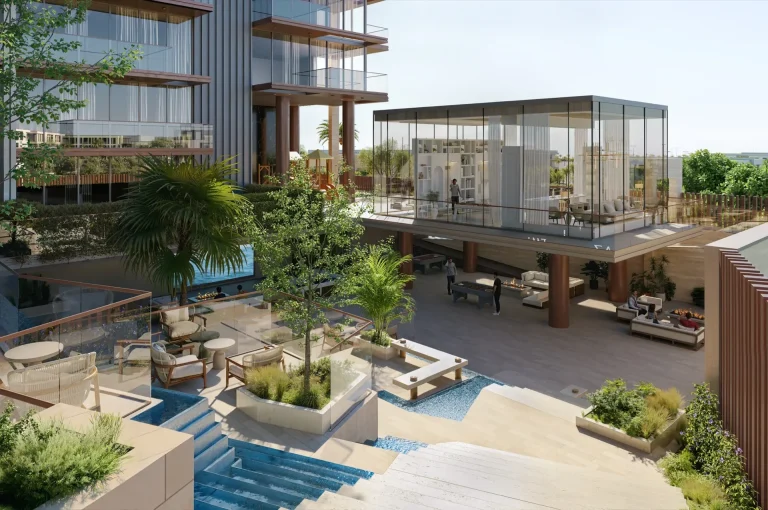
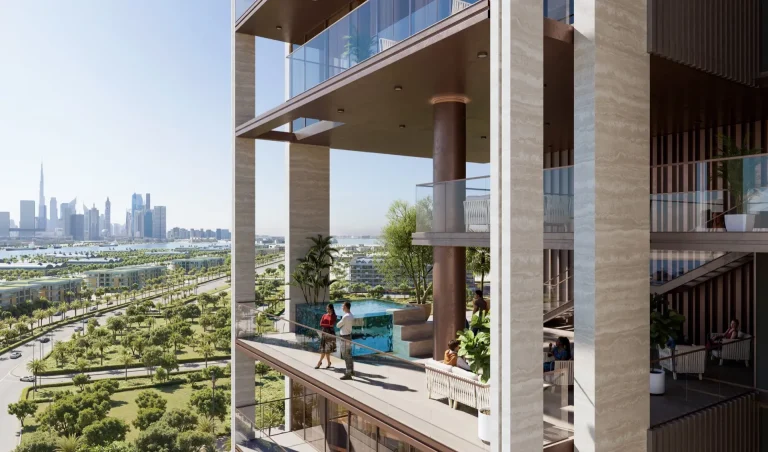
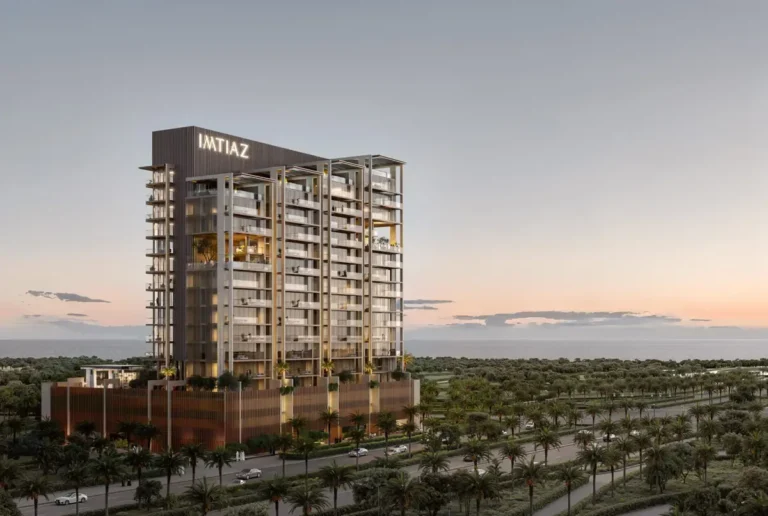
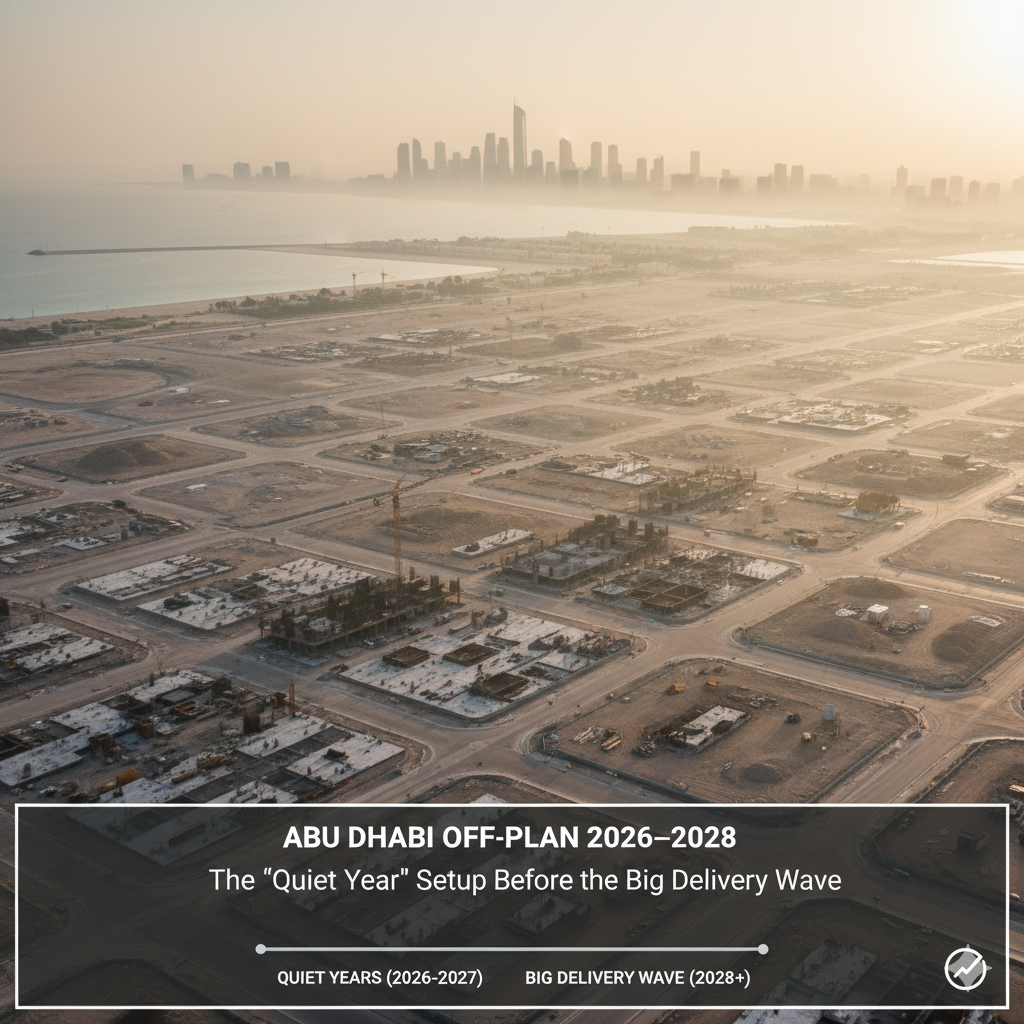
Abu Dhabi’s off-plan property market is entering a fascinating transitional phase that savvy investors are calling the “quiet years.” Between 2026 and 2028, while construction activity continues at record levels across iconic locations like Saadiyat Island, Yas Island, and Al Reem Island, the emirate is strategically positioning itself for what industry experts anticipate will be a monumental delivery wave starting in late 2028 and extending through 2030. This period represents an extraordinary window of opportunity for investors who understand that today’s quiet setup becomes tomorrow’s explosive growth catalyst.
Understanding the “Quiet Year” Phenomenon in Abu Dhabi Real Estate
The concept of quiet years in Abu Dhabi off-plan developments refers to a deliberate market dynamic where fewer immediate handovers occur while the construction pipeline expands dramatically. Think of it as the calm before the storm—a strategic accumulation phase where pre-launch off-plan properties are being secured at highly competitive prices before the inevitable supply surge drives market momentum and price appreciation.
During the first half of 2025, Abu Dhabi recorded an impressive AED 53.2 billion in real estate transactions, with off-plan sales representing 68 percent of all residential deals. This overwhelming preference for off-plan developments in Abu Dhabi over ready properties signals investor confidence in future market performance. However, the current construction timeline means that many of these purchases won’t materialize into completed homes until 2027-2029, creating this unique quiet period.
What makes 2026-2028 particularly strategic is the convergence of three powerful factors. First, residential property prices have already appreciated by 17.3 percent year-on-year, with apartments rising 16.2 percent and villas climbing 14.3 percent. Second, there are currently over 33,000 homes under construction across the emirate, with approximately 8,500 units expected for delivery in phases throughout this period. Third, and most importantly, the flexible payment plans available during these years—often requiring just 5 to 20 percent down payment—allow investors to enter the market with significantly reduced capital requirements while locking in pre-appreciation pricing.
For those exploring the landscape of Abu Dhabi’s hottest off-plan developments, understanding this timing dynamic becomes essential to maximizing returns and strategic positioning.
The 2026-2028 Construction and Delivery Timeline
The delivery schedule across Abu Dhabi’s new residential projects during 2026-2028 reveals a carefully orchestrated rollout designed to prevent market oversupply while maintaining steady growth momentum. Quarter by quarter, the emirate will witness selective handovers that gradually increase in volume as infrastructure matures and communities reach completion.
2026 Delivery Highlights
The year 2026 marks the beginning of the quiet period with approximately 2,400 to 3,000 residential units scheduled for handover across multiple premier locations. Saadiyat Lagoons leads the charge with several villa communities, including Ethir by Aldar, where luxury waterfront living becomes reality with properties starting from AED 6.1 million. The 40/60 payment plan structure remains attractive for investors seeking to minimize upfront capital while securing beachfront positions.
On Al Reem Island, projects like Renad Tower will be completed by Q3 2026, offering one to three-bedroom apartments starting from approximately AED 1.07 million with 20/50/30 payment structures. Meanwhile, The Source on Saadiyat Island targets Q3 2026 handover, bringing wellness-focused residences with rooftop gardens and sustainable design elements starting at AED 2.6 million. These selective deliveries establish market benchmarks while avoiding the oversupply challenges that have affected other regional markets.
The strategic nature of 2026 deliveries becomes evident when examining Hudayriyat Island, where resort-style communities like Al Naseem will complete luxury villas in Q4 2026 with pricing from AED 8.9 million. The 10/30/60 payment plan allows substantial backend loading, effectively creating an interest-free financing structure that improves investor cash flow during the construction phase.
2027: The Mid-Transition Year
By 2027, delivery volumes increase moderately to approximately 4,000 to 4,500 units as more projects reach completion milestones. This year represents the true “middle ground” of the quiet period, with enough handovers to demonstrate market confidence but insufficient volume to satisfy the growing demand from Abu Dhabi’s expanding population of 3.5 million residents.
Yas Island becomes a focal point with several high-profile completions. Gardenia Bay by Aldar targets Q2 2027 handover, offering nature-inspired waterfront apartments starting from AED 1.35 million with 30/70 payment plans. The proximity to Ferrari World, Yas Marina Circuit, and Warner Bros World enhances rental yield potential, with projections reaching 6 to 8 percent annually. Similarly, Opula Residence in Yas Bay aims for Q4 2027 completion, featuring studios through four-bedroom units priced from AED 700,000 with 10/30/60 payment structures.
The Saadiyat Cultural District continues its transformation with multiple projects, including Al Sidr villas (Q3 2027) and The Source Terraces apartments (Q3 2027). These developments benefit from their positioning near cultural landmarks, including the Louvre Abu Dhabi and the forthcoming Guggenheim museum. For investors tracking the top 10 off-plan projects launching in Abu Dhabi, these Saadiyat properties represent blue-chip opportunities with strong appreciation potential.
Family-oriented communities also mature during 2027, with Seville at Bloom Living in Zayed City scheduled for Q1 2027 handover. This Mediterranean-inspired development offers three to six-bedroom villas and townhouses starting from AED 1.78 million with 5/35/40/20 payment plans, demonstrating the diverse payment structures available across different price points and developer strategies.
2028: Building Momentum Toward the Wave
The year 2028 serves as the launchpad for the anticipated delivery surge, with approximately 5,000 to 6,000 units to be delivered throughout the four quarters. This acceleration becomes particularly evident in Q3 and Q4 2028 as multiple large-scale master communities reach substantial completion milestones.
Khalifa City emerges as a delivery hotspot with Reportage Village targeting Q1 2028 handover, bringing spacious villas starting from AED 4.37 million with 30/70 payment plans. The proximity to Sheikh Zayed Grand Mosque and major educational institutions enhances family appeal and long-term rental stability. In the same timeframe, SAAS Heights on Al Reem Island will complete twin towers featuring apartments, duplexes, and penthouses priced from AED 2.2 million with 40/60 payment structures.
Luxury segment completions intensify during 2028, particularly on Saadiyat Island, where Mandarin Oriental Residences targets Q3 2028 handover with units starting from AED 6.2 million under 65/35 payment plans. The branded residences trend—where internationally renowned hospitality brands partner with developers—reaches maturity during this period, offering investors unique value propositions that combine property ownership with hotel-grade amenities and management.
The off-plan developments in Abu Dhabi, completing in Q4 202,8 include several waterfront projects on Yas Island, where Stellar by Elie Saab brings one to four-bedroom residences starting from AED 2.3 million. The integration of high-fashion brand partnerships with residential real estate represents an evolution in Abu Dhabi’s luxury property market, creating differentiation opportunities for investors seeking premium positioning.
For a comprehensive analysis of these delivery timelines and their investment implications, explore the detailed breakdown in our guide to pre-launch off-plan projects in high-yield investment zones.
Payment Plan Strategies During the Quiet Years
One of the most compelling advantages of investing during Abu Dhabi’s quiet years is the diversity and flexibility of payment plans offered across different projects and price segments. Understanding how to leverage these structures can significantly enhance investment returns and portfolio management efficiency.
Construction-Linked Payment Plans
The most common structure during 2026-2028 remains the construction-linked model, where payments are distributed across project milestones. Typical configurations include 10/30/60, 20/50/30, 30/70, and 40/60 splits. The first number represents the down payment percentage, the second covers construction-phase installments, and the final portion becomes due upon handover.
For example, a property priced at AED 2 million with a 10/30/60 payment plan requires just AED 200,000 upfront, followed by AED 600,000 during construction (spread across 12 to 24 months depending on the project), and the final AED 1.2 million at handover. This structure effectively provides investors with leverage, allowing them to control a AED 2 million asset with just AED 800,000 in actual payments before completion, while the property potentially appreciates 20 to 35 percent during the construction period.
Post-Handover Payment Plans
Several developers have introduced innovative post-handover payment plans that extend payment obligations beyond completion, effectively creating developer-financed installment schemes. These arrangements typically offer three to five years of post-handover payments with zero interest, making them highly attractive compared to traditional mortgage financing.
Consider a villa project offering a 5/45/50 payment plan where 50 percent remains payable over five years after handover. For an AED 5 million property, this means controlling and potentially occupying or renting the villa while paying just AED 2.5 million upfront and during construction, with the remaining AED 2.5 million spread across 60 monthly installments of approximately AED 41,667. The rental income generated during this period can substantially offset or even exceed the monthly payment obligations, creating positive cash flow scenarios.
Strategic Payment Plan Selection
Investors optimizing their participation in Abu Dhabi off-plan property opportunities during 2026-2028 should align payment structures with their specific investment objectives and cash flow capabilities. Those seeking maximum leverage and planning to flip properties before completion typically prefer backend-heavy structures like 5/35/60 or 10/40/50, which minimize early capital requirements and maximize the delta between purchase price and potential sale price upon completion.
Conversely, buy-and-hold investors focused on rental income generation often benefit from frontend-heavy structures like 30/70 or 40/60 that reduce final payment obligations at handover, leaving more capital available for portfolio diversification. The additional advantage comes during the refinancing phase, where lower outstanding balances at completion translate to more favorable mortgage terms and higher loan-to-value ratios.
For investors exploring Abu Dhabi pre-launch off-plan projects for long-term investment, the payment plan becomes a critical component of the overall return calculation and risk management strategy.
Location Analysis: Where the Smart Money Is Moving
The geographic distribution of new villa projects in Abu Dhabi and apartment developments during 2026-2028 reveals clear patterns in developer confidence and market demand trajectories. Understanding these location dynamics enables investors to position portfolios for optimal appreciation and rental yield performance.
Saadiyat Island: The Cultural Capital Premium
Saadiyat Island remains the undisputed crown jewel of Abu Dhabi’s luxury residential market, with property prices appreciating over 20 percent annually in prime sub-districts. The Saadiyat Cultural District anchors this performance with proximity to the Louvre Abu Dhabi and upcoming Guggenheim and Zayed National Museum developments, creating a unique value proposition unmatched elsewhere in the emirate.
Projects like Mamsha Gardens (Q4 2028 handover) and The Source (Q3 2027 completion) demonstrate the diverse offerings available, from beachfront apartments to wellness-focused residences. Rental yields on Saadiyat Island typically range from 5.2 to 7 percent for apartments and 4.5 to 6 percent for villas, while capital appreciation has consistently outpaced the broader Abu Dhabi market by 3 to 5 percentage points annually.
The investment case strengthens when considering the limited developable land remaining on Saadiyat Island, creating natural supply constraints that support long-term price appreciation. For investors seeking cultural cachet combined with lifestyle amenities and strong fundamentals, Saadiyat properties completing in 2027-2028 represent compelling opportunities to enter this premium segment before the delivery wave intensifies competition.
Yas Island: Entertainment and Lifestyle Hub
Yas Island positions itself as Abu Dhabi’s lifestyle and entertainment epicenter, home to Ferrari World, Yas Marina Circuit, Warner Bros World, and Yas Waterworld. This unique concentration of attractions supports both tourism-driven short-term rental demand and family-focused long-term tenancy, creating diverse income stream opportunities.
The 23 new projects announced for Yas Island in 2025, with phased deliveries extending through 2028, demonstrate sustained developer confidence in the location’s fundamentals. Properties like Gardenia Bay (Q2 2027), Selina Bay (various phases), and Sea La Vie (Q1 2026) span price points from AED 700,000 to over AED 3 million, accommodating different investor profiles and risk appetites.
Rental yield projections on Yas Island range from 6 to 8 percent for well-positioned apartments near entertainment venues and waterfront locations. The recently completed Etihad Rail connection and ongoing infrastructure enhancements continue improving accessibility, with travel times to Dubai now under 45 minutes, effectively expanding the potential tenant and buyer pool to include cross-emirate commuters.
Al Reem Island: The Emerging Financial District
Al Reem Island has transformed into Abu Dhabi’s de facto financial services hub, with multiple banking and corporate headquarters establishing a presence in developments like Al Maryah Island and Reem Central. This commercial concentration drives consistent rental demand from expatriate professionals and creates natural tenant pools for residential investors.
Projects completing during 2026-2028, including Renad Tower (Q3 2026), SAAS Heights (Q1 2028), and various Reem Hills phases, offer apartments starting from approximately AED 850,000 through luxury penthouses exceeding AED 5 million. The freehold ownership designation for Al Reem Island attracts international investors seeking 100 percent property rights without the restrictions that apply in some other Abu Dhabi zones.
Capital appreciation on Al Reem Island has tracked the broader Abu Dhabi market closely, with annual gains in the 14 to 18 percent range during the 2023-2025 period. Rental yields typically range from 5.5 to 7.5 percent, depending on unit type and specific location within the island. The combination of professional tenant demand, waterfront positioning, and mature infrastructure makes Al Reem properties an institutional-grade component of diversified portfolios.
For detailed comparisons across Abu Dhabi’s top neighborhoods for off-plan investment, including emerging areas like Hudayriyat Island and Zayed City, visit our comprehensive location guide discussing the best off-plan projects in Abu Dhabi.
The Investment Case: Why Quiet Years Create Wealth
The strategic value of investing during Abu Dhabi’s 2026-2028 quiet period becomes evident when examining historical real estate cycles and the specific catalysts positioning the emirate for sustained growth. Multiple converging factors create what investment professionals call a “asymmetric risk-reward profile”—situations where potential upside substantially exceeds downside risk.
Supply-Demand Dynamics Favoring Appreciation
Abu Dhabi’s population growth of 4.2 percent year-over-year in 2025, reaching 3.5 million residents, creates organic housing demand that consistently absorbs new supply. However, the delivery schedule during 2026-2028 (approximately 8,500 to 13,500 units across three years) falls significantly short of meeting this demographic expansion when accounting for household formation rates and the replacement demand from aging building stock.
Industry analysts project a supply shortfall of approximately 15,000 to 20,000 units by end-2028 based on current population trajectories and historical absorption patterns. This gap becomes particularly acute in the villa segment, where wealthy families and high-net-worth individuals moving to Abu Dhabi under various visa programs seek detached housing options that simply won’t exist in sufficient quantity.
The off-plan sales dominance—representing 68 percent of all transactions—further tightens available inventory for immediate occupancy, as buyers lock away future supply before it materializes. This pre-selling phenomenon means the actual “free float” of available properties during the quiet years remains extremely limited, supporting price stability and appreciation even as new developments reach completion.
Economic Diversification and Wealth Migration
Abu Dhabi’s non-oil GDP growth of 6.1 percent in Q1 2025 reflects successful economic diversification efforts that reduce dependence on hydrocarbon revenues. Sectors including tourism, financial services, advanced manufacturing, and renewable energy drive job creation and attract international talent, particularly in high-income professional categories that generate rental demand for premium housing.
The Golden Visa program, requiring AED 2 million minimum property investment, has emerged as a powerful wealth migration tool, with international buyers now accounting for 42 percent of transactions in H1 2025 compared to 35 percent in 2024. This 20 percent year-over-year increase in foreign participation injects capital from diverse geographies and creates a self-reinforcing cycle where property ownership enables residency, which drives further property investment.
Countries facing political instability, currency devaluation, or taxation challenges increasingly view Abu Dhabi real estate investment as a safe haven asset class offering zero income tax, no property transfer taxes, and stable legal frameworks. The convergence of these macroeconomic tailwinds with the 2026-2028 quiet period creates exceptional entry opportunities before global capital flows accelerate further.
Infrastructure and Mega-Projects Timeline Alignment
Major infrastructure initiatives scheduled for completion during 2027-2029 will substantially enhance connectivity and livability across Abu Dhabi, with direct positive impacts on property values. The expansion of Abu Dhabi International Airport, new metro lines servicing previously underconnected areas, and the completion of Etihad Rail links to Dubai and Saudi Arabia all converge during or immediately after the quiet years.
Additionally, mega-projects like the Al Mamoura Mixed-Use development—a AED 55 billion initiative spanning 16 square kilometers—demonstrate the scale of public-private investment transforming Abu Dhabi’s urban landscape. While Al Mamoura’s construction extends through 2035, the announcement and early-phase development during 2026-2028 create halo effects that appreciate nearby properties and establish new growth corridors.
The Expo 2030 preparations, though the event itself remains several years distant, drive accelerated infrastructure spending and urban beautification initiatives that enhance the overall investment environment. Properties purchased during the quiet years benefit from these improvements without paying the “Expo premium” that will inevitably emerge as the event approaches.
Market Comparison: Abu Dhabi vs Dubai Off-Plan Dynamics
Understanding how Abu Dhabi’s off-plan property market differs from neighboring Dubai provides valuable context for investment decisions and helps investors allocate capital across the two emirates based on specific objectives and risk tolerances.
Price Point and Affordability Advantages
Abu Dhabi properties generally offer 20 to 30 percent lower entry prices compared to equivalent Dubai developments in similar lifestyle categories. A two-bedroom apartment in a prime Abu Dhabi waterfront location like Al Reem Island might start around AED 1.2 million, whereas comparable Dubai Marina or Bluewaters units typically begin at AED 1.6 to 1.8 million.
This affordability advantage creates higher accessibility for first-time investors and allows portfolio diversification with smaller capital outlays. Additionally, the lower absolute prices translate to lower maintenance costs, service charges, and overall ownership expenses, improving net rental yields and cash-on-cash returns.
Rental Yield Differentials
While Dubai has experienced rental yield compression in premium areas due to substantial supply additions and price appreciation, Abu Dhabi maintains more attractive yield profiles. Dubai’s luxury segment typically delivers 4 to 6 percent rental yields, whereas Abu Dhabi equivalent properties achieve 5.5 to 8 percent yields, with some emerging areas reaching double-digit returns.
This yield differential becomes particularly significant for investors seeking passive income generation or planning to service mortgage obligations through rental cash flows. The higher yields in Abu Dhabi provide cushioning against potential market softness and generate superior risk-adjusted returns compared to many Dubai alternatives.
Market Maturity and Growth Stage Differences
Dubai’s off-plan market has achieved higher maturity with more sophisticated developer offerings, extensive buyer protections, and institutional-grade project management. However, this maturity also means lower growth potential relative to Abu Dhabi, which remains in an earlier development stage with more room for appreciation as infrastructure and amenities catch up to international standards.
Investors seeking stability and proven track records may prefer Dubai’s established developers and completed communities. Conversely, those targeting capital appreciation and willing to accept slightly higher execution risk often find Abu Dhabi’s growth trajectory more compelling, particularly during the 2026-2028 quiet period setup phase.
For broader perspectives on off-plan opportunities across multiple emirates, review our comprehensive analysis of UAE off-plan properties maximizing returns.
Risk Factors and Mitigation Strategies
No investment opportunity exists without associated risks, and Abu Dhabi off-plan developments during the quiet years present specific challenges that prudent investors must acknowledge and address through appropriate mitigation strategies.
Construction Delay Risk
Despite strong regulatory frameworks and escrow account protections, construction delays remain the most common challenge in off-plan investing. Projects scheduled for 2027 handover may slip to 2028 or beyond due to supply chain disruptions, labor shortages, or unforeseen technical complications.
Mitigation approaches include diversifying across multiple projects with different developers and construction timelines, selecting established developers with proven delivery records like Aldar and Modon Properties, and incorporating 12 to 18-month buffer periods into investment planning. Investors should review the Abu Dhabi Real Estate Centre registration status for all projects and verify escrow account arrangements before commitment.
Market Correction Risk
While current fundamentals strongly support continued price appreciation, external shocks, including global economic recession, oil price volatility, or geopolitical instability, could trigger market corrections. Historical Abu Dhabi real estate cycles have witnessed 10 to 25 percent price declines during downturns, though recovery periods have consistently rewarded patient long-term investors.
Risk mitigation includes maintaining sufficient liquidity reserves to weather temporary market dislocations without forced selling, focusing on prime locations with inherent scarcity value that typically decline less during corrections, and ensuring rental yields can service carrying costs even if appreciation stalls temporarily. The Golden Visa eligibility aspect provides an additional non-financial benefit that maintains value even during price cycles.
Liquidity Constraints
Off-plan properties cannot be sold or transferred until registration occurs near completion, creating liquidity constraints that may extend 24 to 36 months from purchase. Investors requiring emergency capital access during construction face limited options beyond private arrangements or developer buy-back programs (when available).
Addressing liquidity risk requires maintaining adequate emergency funds outside real estate investments, avoiding over-concentration in off-plan positions relative to total portfolio size, and staging investments across different completion dates to create natural liquidity events as projects mature. Financial planning should assume capital remains locked until 6 to 12 months after the scheduled handover to account for potential delays.
Practical Investment Framework for 2026-2028
Translating market analysis into actionable investment decisions requires a structured framework that accounts for individual circumstances while capitalizing on the unique opportunities presented by Abu Dhabi’s quiet years.
Capital Allocation and Portfolio Construction
Investors with AED 1 to 2 million in available capital might consider a two-project approach combining one Saadiyat Island luxury apartment (approximately AED 1.5 million with a 10/40/50 payment plan) requiring AED 750,000 deployed through construction, plus one Yas Island affordable apartment (approximately AED 900,000 with a 20/50/30 payment plan) requiring AED 630,000 through construction. This combination achieves geographic diversification, price point diversification, and staggered handover dates while requiring approximately AED 1.38 million in total deployments spread across 24 to 30 months.
Larger portfolios in the AED 5 to 10 million range benefit from adding villa exposure in emerging areas like Hudayriyat Island or Bloom Living, where appreciation potential remains strong while entry prices stay moderate. A balanced allocation might include 40 percent premium locations (Saadiyat, prime Yas Island), 40 percent secondary premium locations (Al Reem Island, standard Yas Island), and 20 percent emerging growth areas (Zayed City, Khalifa City outskirts).
Developer Selection Criteria
Prioritizing established developers with multi-project track records and strong financial positions reduces execution risk substantially. Aldar Properties, with landmark developments across Yas Island and Saadiyat Island, represents the blue-chip standard for reliability and quality. Modon Properties brings government backing and large-scale master-planned community expertise. International brand partnerships (Mandarin Oriental, Nobu, and Elie Saab) add credibility and reduce reputational risk for associated developers.
Newer or smaller developers may offer attractive pricing but warrant additional due diligence, including verification of RERA approvals, escrow account arrangements, contractor relationships, and previous project delivery history. The small premium paid for established developer properties typically proves worthwhile through reduced stress and a higher probability of on-time completion.
Timing and Staging Strategies
Rather than committing full available capital immediately, sophisticated investors stage purchases across quarters to achieve dollar-cost averaging and adapt to evolving market conditions. For example, purchasing one property in Q1 2026, a second in Q3 2026, and a third in Q2 2027 provides exposure to different market entry points while leaving flexibility to adjust strategy based on actual market performance.
Projects scheduled for handover in late 2027 or throughout 2028 offer optimal positioning for the quiet year strategy, as investors benefit from multiple years of payment flexibility while avoiding the longest construction delays associated with projects not completing until 2029 or beyond. The sweet spot typically lies in projects 18 to 30 months from handover at the time of purchase.
Emerging Trends Shaping the 2026-2028 Landscape
Several evolving themes within Abu Dhabi’s real estate market will influence investment outcomes during the quiet years, with early identification of these trends providing competitive advantages.
Branded Residences Proliferation
The partnership between real estate developers and luxury hospitality or fashion brands accelerates during 2026-2028, with Mandarin Oriental Residences, Nobu Residences, W Residences, and Stellar by Elie Saab representing just the beginning of this trend. These collaborations offer differentiation in an increasingly crowded market and command premium pricing with corresponding premium rental rates.
Investment implications include evaluating the strength and reputation of partnering brands, understanding management agreements and how they affect ownership rights, and assessing whether premium pricing is justified by genuine amenity enhancements or primarily marketing positioning. Well-executed branded residences typically maintain value better during market corrections due to unique positioning.
Sustainability and Green Building Standards
Environmental, social, and governance (ESG) considerations increasingly influence developer strategies and buyer preferences. Projects achieving LEED certification, implementing renewable energy systems, or incorporating extensive green spaces command pricing premiums that widen over time as sustainability awareness grows.
The Sama Yas project’s LEED Gold certification exemplifies this trend, with energy-efficient design and sustainable materials appealing to environmentally conscious buyers. Investors focusing on long-term holdings should prioritize sustainable projects that will maintain relevance and compliance with evolving building standards and regulations.
Technology Integration and Smart Home Features
Modern new residential projects in Abu Dhabi 2025 increasingly incorporate smart home technologies, building management systems, and connectivity infrastructure as standard rather than premium features. Properties lacking these capabilities may face accelerated obsolescence and rental yield compression as tenant expectations evolve.
Forward-thinking investors evaluate whether projects include provisions for future technology upgrades, such as conduit systems that allow easy installation of emerging technologies without major renovation. The initial premium paid for well-integrated smart infrastructure typically recovers quickly through enhanced rental appeal and reduced vacancy periods.
The Road Ahead: Preparing for the Delivery Wave
As 2026-2028 unfolds and positions investors for the anticipated delivery surge, maintaining awareness of catalysts that will trigger the transition from quiet accumulation to active appreciation becomes crucial for exit strategy optimization and portfolio rebalancing decisions.
2029-2030 Delivery Surge Implications
Current construction pipelines indicate approximately 15,000 to 18,000 unit deliveries across 2029-2030, nearly double the 2026-2028 combined total. This acceleration will fundamentally alter market dynamics, potentially creating temporary supply pressure that moderates appreciation rates while simultaneously signaling market maturity and attracting additional institutional capital.
Properties purchased during the quiet years and held through the delivery wave should benefit from first-mover positioning and full depreciation cycle before competition intensifies. Strategic investors may consider selective profit-taking during peak delivery surge periods to redeploy capital into the next cycle of pre-launch opportunities.
Infrastructure Completion Catalysts
The completion of major infrastructure projects during 2028-2029, particularly transportation enhancements and the operationalization of Etihad Rail connections, will trigger reassessments of property values in newly accessible areas. Locations that were previously considered peripheral may suddenly achieve prime status based on reduced commute times and improved connectivity.
Anticipating these infrastructure catalysts and positioning in neighborhoods that will benefit most represents a sophisticated strategy for enhancing returns. Historical infrastructure-driven appreciation patterns suggest 15 to 30 percent value increases within 12 to 18 months of major transportation completions.
The Next Cycle: Post-2028 Opportunities
While this analysis focuses on the 2026-2028 quiet years, successful investors think several cycles ahead and position portfolios to capture liquidity events that fund participation in subsequent opportunities. The Abu Dhabi 2030 Vision and ongoing master plan implementations ensure that new districts and development opportunities will continue emerging beyond the current focus areas.
Maintaining capital deployment flexibility to participate in the next generation of pre-launch properties requires balancing current commitment levels with future opportunity costs. Generally, committing 60 to 75 percent of available real estate capital to current cycle opportunities while reserving 25 to 40 percent for future opportunities creates optimal flexibility without excessive cash drag.
For investors planning multi-cycle engagement with Abu Dhabi real estate, explore our comprehensive guide to maximizing returns with pre-launch properties covering strategies beyond the immediate 2026-2028 timeframe.
Actionable Next Steps for Prospective Investors
Translating market analysis and strategic frameworks into concrete investment actions requires a systematic approach to research, due diligence, and transaction execution.
Research and Education Phase
Begin by thoroughly reviewing project brochures, master plans, and location analyses for properties scheduled for 2027-2028 handovers in your preferred areas. Compare payment plans, total pricing, projected service charges, and completion guarantees across similar properties from different developers. Utilize resources like Prelaunch.ae to access comprehensive project databases and expert analysis.
Attend developer presentations and property showcases to gain direct insights into project visions, construction methodologies, and management approaches. Many developers offer virtual reality tours and detailed unit selection tools that enable informed decision-making before physical site visits. Request detailed payment schedules showing exact due dates and amounts for all installments through handover.
Financial Planning and Structuring
Develop detailed cash flow projections incorporating all acquisition costs, including down payments, construction installments, registration fees (typically 2 percent of property value), and post-purchase expenses such as service charges and maintenance. Ensure adequate liquidity buffers for unexpected delays or cost increases.
Explore mortgage pre-approval for the final payment portion if planning to finance handover balances. UAE banks typically offer 75 to 85 percent loan-to-value mortgages for completed properties, enabling significant leverage at handover that can improve overall investment returns. Compare financing options from multiple banks to secure optimal terms.
Transaction Execution and Management
Once you’ve identified target properties, verify all regulatory approvals and escrow arrangements before signing sales agreements. Request evidence of Real Estate Regulatory Authority registration and confirm that all payments will flow through properly established escrow accounts managed by approved financial institutions.
Maintain organized documentation of all payment receipts, correspondence with developers, and contractual agreements. Implement calendar reminders for upcoming payment obligations to avoid late payment penalties. Consider engaging professional property management services early if planning to rent immediately upon handover, as securing quality tenants often requires preparation.
Conclusion: Seizing the Quiet Year Advantage
Abu Dhabi’s off-plan property market during 2026-2028 represents one of the most compelling strategic opportunities in contemporary UAE real estate investing. The convergence of moderate supply deliveries, flexible payment structures, strong economic fundamentals, and pre-delivery wave positioning creates an asymmetric risk-reward scenario favoring informed investors.
The quiet years are not characterized by market inactivity but rather by strategic accumulation—a period when savvy capital establishes positions before the broader market recognizes the opportunity. Properties purchased during this window benefit from pre-appreciation pricing, extended payment timelines that reduce capital requirements, and positioning ahead of the infrastructure completions that will drive the next appreciation cycle.
Success during the quiet years requires disciplined research, careful developer selection, appropriate risk management, and alignment of property choices with individual investment objectives. Whether seeking rental income, capital appreciation, residency eligibility, or portfolio diversification, Abu Dhabi’s off-plan developments offer tailored solutions across diverse price points and locations.
The delivery wave will come—projects will complete, communities will mature, and the market will transition from setup to execution. The question facing prospective investors is whether they will enter during the advantageous quiet period or wait until the opportunity has already materialized and pricing reflects the realized value rather than the anticipated potential.
Your Next Step: Begin Your Abu Dhabi Investment Journey
The strategic window of opportunity presented by Abu Dhabi’s 2026-2028 quiet years won’t remain open indefinitely. As awareness grows and capital flows accelerate, the most attractive projects and payment structures will secure committed buyers, leaving later entrants with limited selection and less favorable terms.
Whether you’re a first-time investor exploring UAE off-plan properties or an experienced portfolio manager seeking to capitalize on Abu Dhabi’s growth trajectory, the time to act is now—during the setup phase that precedes the delivery wave and the attention it will inevitably attract.
Take Action Today:
Visit Prelaunch.ae and complete our investor inquiry form to receive:
- Personalized project recommendations aligned with your budget and objectives
- Exclusive access to pre-launch opportunities before public announcement
- Detailed financial modeling and ROI projections for shortlisted properties
- Expert guidance on developer selection, payment structuring, and risk mitigation
- Priority scheduling for property viewings and developer presentations
Our team of Abu Dhabi real estate specialists brings decades of combined experience in off-plan investment analysis, having guided investors through multiple market cycles and delivered consistent above-market returns. We understand the quiet year advantage and how to position portfolios for maximum benefit.
Contact our investment advisory team directly:
 Phone: (+971) 52 341 7272
 Email: sales@mbrproperties.ae
Don’t let the quiet years pass quietly. The wealth-building opportunities available during Abu Dhabi’s strategic setup phase reward decisive action from informed investors. Fill out the form on Prelaunch.ae today and position yourself ahead of the delivery wave that will define Abu Dhabi’s next real estate chapter.
Your future self will thank you for the decisions you make during the quiet years.
Frequently Asked Questions (FAQs)
Q1: What is the minimum investment required for Abu Dhabi off-plan properties during 2026-2028?
Entry-level off-plan apartments in emerging areas start from approximately AED 700,000 to 900,000 with down payments as low as 5 to 10 percent, meaning initial capital requirements of AED 35,000 to 90,000. Premium properties on Saadiyat Island or luxury segments may require AED 200,000 to 500,000 down payments. The wide range accommodates various investor budgets and objectives.
Q2: How do payment plans work for off-plan properties, and which structure is best?
Payment plans typically split costs across three phases: down payment (5-40 percent), construction installments (30-60 percent), and handover payment (20-60 percent). The optimal structure depends on your strategy—investors seeking maximum leverage prefer backend-heavy plans like 10/30/60, while those prioritizing rental income may choose frontend-heavy plans like 40/60 to reduce final payment obligations.
Q3: What are the main risks of investing in Abu Dhabi off-plan properties?
Primary risks include construction delays, developer financial difficulties, market corrections, and liquidity constraints. Mitigation strategies involve selecting established developers like Aldar Properties, diversifying across multiple projects, verifying escrow arrangements, maintaining adequate reserves, and investing only capital that can remain locked for 24 to 36 months.
Q4: Which locations offer the best investment potential during 2026-2028?
Saadiyat Island leads for luxury and cultural district positioning, Yas Island excels for lifestyle and entertainment proximity with strong rental yields (6-8 percent), Al Reem Island attracts professional tenants and offers financial district advantages, while emerging areas like Hudayriyat Island and Bloom Living provide value-focused appreciation potential. Optimal location depends on budget and objectives.
Q5: Can foreigners purchase off-plan property in Abu Dhabi, and does it qualify for residency?
Yes, foreign nationals can purchase freehold off-plan properties in designated investment areas throughout Abu Dhabi. Properties valued at AED 2 million or above qualify for the Golden Visa program offering 10-year UAE residency, while lower-value properties may qualify for standard residency visas. Freehold ownership provides full property rights including inheritance and unrestricted selling.
Q6: When is the best time to purchase during the 2026-2028 period?
Properties scheduled for late 2027 or 2028 handover purchased in early-to-mid 2026 offer optimal positioning—sufficient time for construction progress visibility while capturing extended payment timelines and pre-appreciation pricing. Staging purchases across quarters provides diversification and dollar-cost averaging benefits. Avoid waiting until late 2027 or 2028 as the delivery wave approaches and pricing adjusts upward.
Q7: What happens if construction is delayed beyond the scheduled handover date?
Abu Dhabi Real Estate Centre regulations require developers to compensate buyers for delays beyond contractually specified periods, though compensation structures vary by project. Escrow accounts protect buyer funds throughout construction. Review specific contractual delay clauses before purchase and maintain 12 to 18-month buffer periods in investment planning to accommodate potential timeline extensions.
Q8: How are rental yields in Abu Dhabi compared to Dubai for off-plan properties?Abu Dhabi generally offers superior rental yields ranging from 5.5 to 8 percent compared to Dubai’s 4 to 6 percent in equivalent segments, primarily due to lower entry prices and steady tenant demand. Specific locations like Yas Island can achieve 8+ percent yields while maintaining strong appreciation potential. The yield advantage makes Abu Dhabi particularly attractive for income-focused investors.