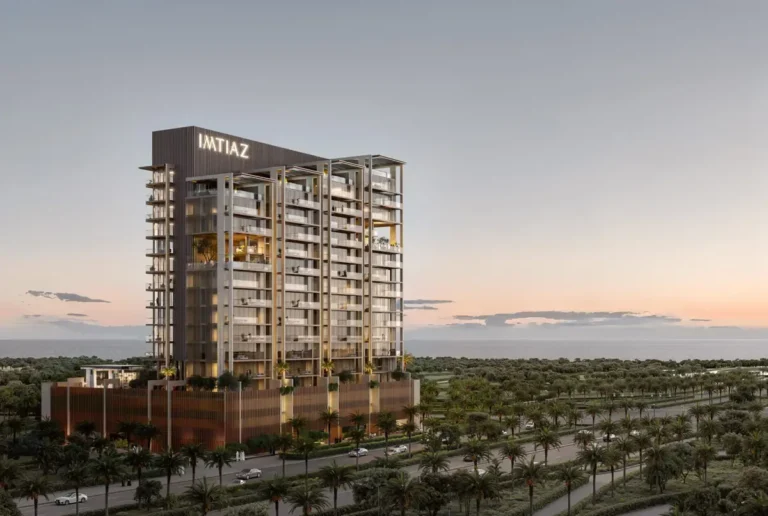
The headlines scream success across Abu Dhabi real estate news platforms—Waldorf Astoria Residences Yas selling all one hundred thirty-three homes for AED 850 million in a single day, Radisson Residences Al Reem Island’s Phase 1 achieving complete sell-out within twenty-four hours, and Masaar 3 in neighboring Sharjah clearing over one thousand homes within hours of launch. These spectacular off-plan Abu Dhabi success stories paint a picture of insatiable demand, guaranteed appreciation, and investment certainty that seems almost too compelling to question.
However, beneath these celebrated sell-out announcements lies a complex market reality that developers, brokers, and media outlets rarely discuss in depth—the intensifying resale competition that emerges when hundreds or even thousands of units approach handover simultaneously. When every investor who purchased during the euphoric launch phase attempts to capitalize on their early-mover advantage at the same moment, the dynamics shift dramatically from the scarcity-driven environment that characterized the initial sale.
Understanding this phenomenon proves critical for investors navigating Abu Dhabi’s off-plan property market in 2026, particularly as the emirate’s development pipeline swells with over eight thousand five hundred new residential units scheduled for delivery this year. The questions investors must answer extend far beyond securing allocation in trending launches—they must evaluate what happens when celebration transforms into competition, when exclusive opportunity becomes saturated supply, and when promised appreciation confronts market-driven pricing pressure at the crucial handover milestone.
The Anatomy of Sell-Out Launches: Engineering Scarcity
To comprehend resale dynamics, investors first need to understand how developers orchestrate these spectacular sell-out events that dominate luxury real estate Abu Dhabi headlines. The mechanics involve far more strategic planning than simply releasing attractive properties at competitive prices, as evidenced by recent launches across the emirate’s premium zones.
Developers typically employ phased release strategies that create artificial scarcity even within projects containing thousands of eventual units. Rather than offering complete inventory simultaneously, they release carefully calibrated tranches—often representing just twenty to thirty percent of total project volume—that generate urgency through limited availability. This approach explains how developments ultimately comprising five hundred or one thousand units can claim “complete sell-out” while retaining substantial inventory for subsequent phases.
The Waldorf Astoria Residences Yas exemplifies this strategy perfectly. While headlines celebrated the sell-out of one hundred thirty-three homes generating AED 850 million, astute observers noted this represented merely the initial release of what will ultimately become a more extensive branded residences Abu Dhabi community. By limiting first-phase availability, developers created competition among buyers for access to the prestigious Waldorf Astoria brand, premium Yas Island positioning, and perceived early-entry pricing advantages.
Payment plan structures further amplify demand concentration at launches. Typical off-plan payment plans in Abu Dhabi feature low down payments ranging from five to twenty percent, with extended construction-linked installments that make entry accessible to broader investor demographics. This financial accessibility, combined with scarcity messaging, drives oversubscription rates where demand multiples exceed available inventory by factors of three to ten, depending on project prestige and developer reputation.
The media amplification effect completes the scarcity engineering cycle. Press releases announcing sell-outs within hours or days generate secondary marketing value that positions subsequent phases as exclusive opportunities requiring immediate action. This creates self-reinforcing cycles where sell-out success breeds further demand, enabling developers to maintain pricing momentum across multiple release phases while managing inventory absorption strategically.
The Pre-Handover Secondary Market: Early Warning Signals
While launch-phase euphoria dominates headlines, the Abu Dhabi off-plan secondary market—where investors resell units before completion—provides revealing insights into actual demand dynamics and future handover competition. Recent analysis by Crompton Partners tracking verified transactions through the Quanta data platform offers unprecedented visibility into this typically opaque market segment.
The data reveals significant variation in pre-handover resale activity across different Abu Dhabi 2025 projects, with some developments experiencing robust secondary trading, indicating genuine appreciation potential, while others show minimal resale volume, suggesting weaker underlying demand. Reem Hills Villas demonstrated particularly strong pre-handover performance, with villa units commanding premiums averaging fifteen to twenty-five percent above original purchase prices when resold during construction phases, significantly outperforming the development’s apartment counterparts.
This performance divergence between villa and apartment segments within identical master-planned communities signals important market dynamics. Villas benefit from genuine supply constraints—coastal land availability limits villa development capacity regardless of developer ambitions—creating structural scarcity that apartments, facing theoretically unlimited vertical expansion, cannot replicate. This scarcity premium translates directly into stronger pre-handover appreciation and, critically, superior positioning when eventual handover competition emerges.
Conversely, developments showing minimal secondary market activity during construction phases often indicate investor concentration rather than end-user demand. When early buyers demonstrate reluctance to exit positions despite opportunities for quick profits, this frequently suggests the expectation that holding through handover will yield superior returns. However, this dynamic proves double-edged—if most original purchasers maintain identical strategies, the resulting simultaneous exit attempts at handover create exactly the supply saturation that undermines anticipated appreciation.
The pre-handover market also reveals timing advantages that savvy investors exploit. Those who purchased at genuine pre-launch phases—before public marketing and media coverage—often enjoy eighteen to thirty-six month appreciation windows before completion, providing opportunities to exit profitably ahead of handover competition. Data from Abu Dhabi pre-launch off-plan projects confirms that earliest entrants consistently outperform later-phase buyers, with appreciation differentials reaching twenty to thirty-five percent between pre-launch purchasers and those acquiring units during final construction stages.

Handover Economics: When Celebration Meets Reality
The handover milestone represents the critical inflection point where off-plan property Abu Dhabi investments transition from speculative positions to tangible assets requiring concrete decisions. This transformation triggers cascading effects that frequently catch unprepared investors off guard, particularly those who focused exclusively on launch excitement without considering completion dynamics.
Primary among these effects involves the shift from construction-linked payment obligations to final settlement requirements. Most Abu Dhabi off-plan payment plans structure obligations with ten to twenty percent down payments, forty to sixty percent during construction phases, and twenty to thirty percent upon handover. This final payment obligation—often representing hundreds of thousands of dirhams for premium properties—forces investor decisions between capital deployment, mortgage activation, or position liquidation.
Investors initially planning to “flip” units upon completion discover they must navigate this final payment hurdle while simultaneously competing with dozens or hundreds of fellow investors pursuing identical exit strategies. This dynamic proves particularly challenging in developments where investor concentration exceeded end-user participation during sales phases, creating situations where the supply of resale units dramatically outstrips organic buyer demand at completion.
The timing compression exacerbates these challenges significantly. Developers typically schedule handovers across condensed timeframes—often completing entire towers or phases within thirty to sixty-day windows—rather than staggered individual unit deliveries. This concentration means competing resale inventory floods platforms like Property Finder, Bayut, and Dubizzle simultaneously, creating buyer markets where negotiation leverage shifts decisively toward purchasers who can exploit seller urgency.
Financial obligations beyond the final purchase price payments further complicate handover economics. Buyers face registration fees typically ranging from two to four percent of property value, service charge deposits, utility connection costs, and in some cases, snagging rectification expenses. These additional costs—often totaling fifty to one hundred thousand dirhams for premium apartments—must be recovered through resale pricing, creating floor prices below which transactions become unprofitable.
The following table illustrates typical handover cost structures that resale pricing must overcome to achieve profitability:
| Cost Component | Typical Range (AED) | Percentage of AED 2M Property |
| Final Payment (20-30%) | 400,000 – 600,000 | 20-30% |
| Registration Fees (2-4%) | 40,000 – 80,000 | 2-4% |
| Service Charge Deposit | 15,000 – 30,000 | 0.75-1.5% |
| Utility Connections | 5,000 – 10,000 | 0.25-0.5% |
| Snagging/Finishing | 10,000 – 50,000 | 0.5-2.5% |
| Total Handover Costs | 470,000 – 770,000 | 23.5-38.5% |
These economics mean investors must achieve minimum appreciation exceeding twenty-five to forty percent merely to break even on immediate resale, explaining why pre-handover exits during construction often prove more profitable than waiting for completion, despite conventional wisdom suggesting possession enhances value.
Market Dynamics: Absorption Rates vs. Release Velocity
The fundamental challenge confronting sell-out developments at handover involves the mismatch between market absorption capacity and inventory release velocity. While Abu Dhabi property market fundamentals remain robust—with population growth exceeding four percent annually, non-oil GDP expanding by over six percent, and sustained Golden Visa demand—these positive drivers support steady absorption rather than the spike capacity required to absorb hundreds of identical units simultaneously.
Analysis of Abu Dhabi residential market performance reveals average monthly absorption rates for completed luxury apartments range between thirty and fifty units across the entire emirate for specific price brackets and community types. This means even strong projects might realistically absorb only three to five units monthly from their specific inventory pool when competing against similar offerings across Yas Island, Saadiyat Island, Al Reem Island, and other premium zones.
Consider the mathematical reality facing a development that sold three hundred apartments during launch phases with seventy percent investor participation. At handover, approximately two hundred ten investor-held units potentially seek exit if owners pursue flip strategies rather than long-term holds. Even assuming only half actively list for resale, this creates one hundred five competing units. At market absorption rates of four units monthly for that specific property type and price point, clearing this resale inventory requires twenty-six months—over two years of sustained competition before supply-demand balance is restored.
This extended absorption timeline creates downward pricing pressure as sellers compete through progressive price reductions to capture limited monthly demand. Units initially listed at ten to fifteen percent premiums to original purchase prices gradually converge toward break-even levels, then potentially below as carrying costs and opportunity costs of capital deployment mount for investors unable to exit positions.
The velocity mismatch proves particularly acute for developments in emerging locations lacking established rental markets or end-user communities. Projects in zones like Bloom Abu Dhabi, affordable communitie,s or outer-island developments face extended absorption periods compared to established premium locations, as buyer preference gravitates toward proven communities with demonstrated rental demand and lifestyle infrastructure.
Developer release strategies compound these challenges when subsequent phases launch before earlier completions are fully absorbed. Buyers evaluating resale units at ten percent premiums naturally compare against new inventory from the same developer, potentially offering fresh warranties, the latest design specifications, and flexible payment terms. This competition between primary and secondary inventory within identical developments creates pricing ceilings that resale sellers cannot exceed without offering compelling differentiation through superior views, floor levels, or finishing upgrades.
Developer Track Records: The Differentiation That Matters
Not all sell-out developments face identical handover competition dynamics, with developer reputation and delivery track record emerging as critical differentiation factors determining resale success. Investors analyzing Abu Dhabi off-plan developers must evaluate completion history, quality standards, and post-handover support as these directly impact resale absorption capacity.
Tier-one developers like Aldar Properties, IMKAN, and Eagle Hills demonstrate consistent on-time delivery, averaging ninety-five percent schedule adherence over five-year periods, according to Department of Municipalities and Transport data. This reliability creates buyer confidence that translates into premium pricing power for resale units, as purchasers value certainty regarding completion quality and timeline.
Conversely, developments from emerging or international developers entering the Abu Dhabi market carry execution risk premiums that suppress resale values regardless of location or design excellence. Buyers discount asking prices by ten to twenty percent when purchasing from unproven developers, reflecting uncertainty about delivery standards, snagging rectification responsiveness, and long-term community management quality.
The impact of developer reputation manifests particularly clearly in the branded residences segment. Properties carrying established hospitality brands like Waldorf Astoria, Four Seasons, or Radisson benefit from quality guarantees and operational expertise that support resale values. However, investors must distinguish between genuine branded residences offering comprehensive services and those merely licensing names for marketing purposes, as buyer sophistication increasingly differentiates these categories.
Projects from developers with robust community management capabilities demonstrate superior long-term value retention compared to those treating development as purely transactional. Developments integrating comprehensive facility management, proactive maintenance, and community engagement programming maintain property conditions and resident satisfaction levels that translate directly into sustained rental demand and resale desirability. These operational excellence factors often outweigh initial design appeal or launch excitement in determining five-year appreciation trajectories.
Investors can evaluate developer quality through verified metrics, including completion track records available through top Abu Dhabi off-plan projects analysis, buyer satisfaction surveys, and most tellingly, the performance of their previously completed projects in resale markets. Developments from quality-focused developers typically experience resale listing periods averaging thirty to sixty days with minimal price discounting, while those from challenged developers languish for six to twelve months with progressive reductions.
Location Fundamentals: The Resale Resilience Factor
While developer reputation influences resale competition, location fundamentals ultimately determine absorption capacity and pricing resilience when handover inventory floods markets. The divergence between Saadiyat Island properties, Yas Island developments, and emerging zones illustrates how location characteristics create vastly different competitive dynamics.
Saadiyat Island’s cultural district positioning and established premium reputation create structural demand advantages that support resale absorption even during heavy inventory periods. The island’s limited development capacity—constrained by environmental regulations protecting turtle nesting beaches and masterplan density limits—ensures new supply remains controlled regardless of market conditions. Properties near the Louvre Abu Dhabi, upcoming Guggenheim, and Zayed National Museum benefit from cultural tourism drivers generating rental demand from temporary residents seeking immersive experiences beyond conventional hotel accommodations.
Recent data confirms that Saadiyat properties achieve resale absorption averaging thirty-five to forty percent faster than comparable units in emerging locations, with price premiums sustained at twelve to eighteen percent above construction cost inflation. This resilience stems from genuine end-user demand—families prioritizing international schools and beach access, professionals valuing cultural amenities, and lifestyle-focused buyers willing to pay premiums for proven communities rather than speculative emerging zones.
Yas Island demonstrates different but equally robust fundamentals through entertainment infrastructure and an established family-oriented community character. Developments near Ferrari World, Yas Marina Circuit, Yas Mall, and Warner Bros. World benefit from permanent tourism drivers creating year-round rental demand from corporate relocations and leisure visitors. The island’s maturity—with over fifteen years of successful community development—provides track records that emerging locations cannot replicate, supporting buyer confidence in long-term value retention.
However, investors must recognize that even prime locations face resale saturation when inventory concentrations exceed absorption capacity. Saadiyat Island’s development pipeline includes over twenty-seven new projects launching in 2025, according to Abu Dhabi Real Estate Centre data, creatinga cumulative inventory that could strain even this premium market’s absorption capacity. Properties differentiating through unique characteristics—direct beach access, cultural institution proximity, or exceptional view corridors—will command pricing power unavailable to standard inventory regardless of Saadiyat’s overall prestige.
Emerging locations like Al Ghadeer, Masdar City, and Bloom communities face steeper resale challenges despite competitive entry pricing and strong rental yield potential. These zones lack established track records, mature infrastructure, and the lifestyle amenities that drive end-user preference among discerning buyers. Resale absorption in these markets depends heavily on investor demand rather than organic end-user interest, creating vulnerability to market sentiment shifts that established locations weather more successfully.
Understanding these location-specific dynamics proves essential for investors evaluating sell-out launches across Abu Dhabi’s diverse development zones. Properties in proven premium locations justify holding through temporary handover competition, while those in emerging areas often warrant exit strategies targeting pre-handover secondary markets before completion inventory floods create extended absorption periods. Strategic analysis using resources like the Abu Dhabi waterfront homes investment guide helps investors align location selection with realistic timeline expectations.

Unit Mix Complexity: Why Not All Sold-Out Inventory Competes Equally
Within any sell-out development, significant variation exists in how different unit types navigate handover competition, creating opportunities for investors who understand these micro-market dynamics. The composition of sold inventory—studio concentrations versus family-sized apartments, view corridors, floor levels, and finishing specifications—determines competitive intensity when resale listings surge.
Studio and one-bedroom apartments typically face the most acute competition at handover, as these units attract primarily investor rather than end-user demand during sales phases. Analysis of recent off-plan Abu Dhabi launches reveals investor participation rates reaching eighty to ninety percent for studio inventory compared to forty to sixty percent for three-bedroom family units. This concentration creates situations where resale studio supply dramatically exceeds organic rental or owner-occupier demand, necessitating aggressive pricing to achieve absorption.
The following table illustrates typical investor concentration and resulting handover dynamics across unit types:
| Unit Type | Investor Participation Rate | Typical Resale Competition | Average Absorption Period | Price Pressure Risk |
| Studio | 80-90% | Severe | 8-14 months | High |
| 1-Bedroom | 70-85% | High | 6-10 months | Moderate-High |
| 2-Bedroom | 50-70% | Moderate | 4-7 months | Moderate |
| 3-Bedroom | 40-60% | Low-Moderate | 3-5 months | Low-Moderate |
| 4-Bedroom+ | 30-45% | Low | 2-4 months | Low |
These dynamics explain why larger family units often outperform studios in capital appreciation despite lower headline rental yields, as reduced resale competition at handover supports pricing power unavailable to studio investors facing saturated markets.
View corridors and floor levels create further differentiation within unit categories. Properties offering unobstructed water views, landmark vistas, or premium elevations typically comprise twenty to thirty percent of total development inventory but command forty to sixty percent premiums at resale. These units attract end-user buyers willing to pay for differentiation, reducing competition intensity compared to standard inventory, where fungibility makes pricing the primary differentiator.
Investors who secured premium units during launch allocations—often through developer relationships or broker access—enjoy structural advantages when handover competition emerges. While standard units face downward pricing pressure from competing inventory, premium variants maintain value through scarcity and differentiation. This dynamic reinforces the importance of unit selection beyond simple square footage or price per square foot calculations.
Finishing specifications also impact competitive positioning, particularly in developments offering customization options or tiered finishing packages. Units with upgraded kitchen appliances, premium flooring, smart home integration, or designer bathroom fixtures differentiate from standard inventory, supporting pricing premiums that offset handover costs more effectively. However, investors must ensure customization investments align with broader market preferences rather than personal tastes, as idiosyncratic modifications can actually impair rather than enhance resale appeal.
Financing Dynamics: The 50% LTV Reality at Handover
Abu Dhabi mortgage regulations create unique challenges at handover that exacerbate resale competition, particularly the fifty percent loan-to-value limitation for off-plan properties that remains in effect until completion and registration. This regulatory framework fundamentally shapes investor decision-making when final payment obligations trigger, often forcing exits that wouldn’t occur in more flexible financing environments.
Under current Central Bank regulations, buyers cannot access mortgage financing exceeding fifty percent of off-plan property values, requiring independent coverage of the remaining fifty percent through cash reserves or developer payment plans. For a property valued at AED 2 million, buyers must independently deploy AED 1 million before mortgage activation, creating substantial capital requirements that many investors struggle to meet at handover.
This fifty percent threshold proves particularly constraining because developer payment plans typically structure obligations with twenty to thirty percent remaining at handover—amounts that exceed mortgage coverage capacity. Investors who planned to finance final payments discover they cannot secure institutional funding for the full amount due, forcing either cash deployment from reserves or position liquidation through resale before legal title transfer.
The resulting dynamic creates predictable resale pressure concentrations at handover timeframes, as investors unable or unwilling to deploy final payment capital simultaneously list units for sale. This synchronized exit behavior amplifies competition precisely when absorption capacity matters most, creating buyer markets where those with capital deployment capability negotiate aggressively, knowing seller urgency.
Sophisticated investors structure positions anticipating these dynamics through several strategies outlined in a detailed analysis of Abu Dhabi off-plan mortgage regulations. These include maintaining liquidity reserves specifically for handover obligations, establishing pre-arranged mortgage facilities that activate upon completion, or targeting pre-handover exits during construction phases when secondary market liquidity exceeds handover competition intensity.
The financing constraint also creates opportunities for well-capitalized buyers who can exploit handover competition through aggressive acquisition strategies. Investors with deployment-ready capital target handover periods specifically, knowing distressed sellers facing payment deadlines often accept discounts to avoid default or additional carrying costs. This dynamic explains why properties frequently trade at or below original purchase prices immediately post-handover, before appreciating significantly in subsequent twelve to twenty-four months once resale inventory clears and organic demand resumes.
Rental Market Integration: The Alternative Exit Strategy
Not all investors at handover pursue immediate resale exits, with many transitioning to landlord roles through rental market integration. This alternative strategy proves particularly viable in locations with established tenant demand and yields justifying capital deployment, though success requires understanding rental absorption dynamics that differ significantly from sales market patterns.
Abu Dhabi rental yields for completed properties average between 5.5 and 8.5 percent across different zones and property types, with premium locations like Al Reem Island and Yas Island delivering consistent occupancy rates exceeding ninety percent. Properties in established communities with proven tenant pipelines can achieve rental placement within thirty to sixty days at market rates, creating immediate income streams that offset carrying costs and justify holding through resale competition periods.
However, rental market integration at handover faces challenges similar to resale competition when hundreds of identical units simultaneously seek tenants. Developments completing large inventory tranches flood rental platforms with competing listings, creating tenant markets where negotiation leverage favors renters who can demand concessions, including reduced rates, flexible terms, or included amenities like parking and maintenance.
The rental absorption capacity in any specific community or building typically proves even more constrained than sales absorption, as tenant pools draw from limited corporate relocation pipelines, family demographics, and lifestyle preferences. A building delivering two hundred apartments might realistically absorb only five to eight rental units monthly across all available inventory, creating extended leasing periods for owners competing simultaneously.
Investors pursuing rental strategies must differentiate offerings through professional property management, competitive pricing reflecting market realities rather than yield aspirations, and flexibility regarding lease terms and tenant requirements. Those treating rental placement as temporary bridges until resale opportunities improve often struggle compared to investors genuinely committed to landlord roles with appropriate service standards and tenant relationship management.
The rental strategy proves particularly effective for properties in locations featured in the analysis of Abu Dhabi high-yield investment zones, where established corporate tenant demand, international school proximity, and lifestyle infrastructure create sustainable rental markets independent of handover timing. Conversely, emerging locations lacking proven tenant pipelines force landlords into aggressive pricing or extended vacancy periods that undermine yield projections used to justify investment decisions.
Strategic Positioning: Lessons from Market Leaders
Examining how successful investors navigate sell-out developments provides actionable insights for those evaluating current and future launch opportunities. The differentiation between investors achieving twenty to thirty-five percent returns and those struggling with break-even exits at handover stems largely from strategic positioning decisions made at acquisition rather than market timing luck.
Primary among these strategic factors is entry timing precision. Investors securing allocations during genuine pre-launch phases—before public marketing campaigns and media coverage—consistently outperform later entrants by eighteen to thirty-six months’ appreciation windows. These earliest buyers often exit profitably during construction phases before handover competition emerges, realizing gains while subsequent investors face saturated markets.
Portfolio diversification across multiple projects, locations, and completion timelines mitigates the concentration risk that single-development investors face. By spreading capital across five to ten smaller positions rather than concentrating in one or two large units, sophisticated investors create option portfolios where some positions inevitably experience favorable handover dynamics while others face challenges. This diversification approach aligns with principles used by institutional investors in other asset classes.
Exit flexibility represents another critical success factor, with profitable investors maintaining multiple viable exit pathways rather than commitment to singular strategies. Those prepared to sell during construction if compelling offers emerge, transition to rental if handover competition intensifies, or hold through temporary saturation if fundamentals support long-term appreciation demonstrate superior outcomes compared to rigid strategic commitments.
Relationship cultivation with developers, brokers, and property management firms creates informational advantages regarding inventory status, buyer sentiment, and upcoming release plans. Investors with early visibility into handover scheduling, resale inventory accumulation, and developer pricing strategies position themselves advantageously rather than reacting to market developments after they materialize.
Perhaps most importantly, successful investors conduct rigorous due diligence on aspects rarely highlighted in glossy brochures or launch presentations—completion track records, community management capabilities, realistic absorption analysis, and financing structure implications. Resources like the comprehensive Abu Dhabi off-plan developments guide provide frameworks for systematic evaluation beyond surface-level appeal.
The 2026 Reality: Navigating Peak Inventory Delivery
The specific challenge confronting Abu Dhabi investors in 2026 involves unprecedented inventory delivery volumes coinciding with multiple high-profile sell-out developments approaching handover simultaneously. With over eight thousand five hundred residential units scheduled for completion alongside continued launch activity, the market faces absorption tests that will separate locations and developments with genuine demand from those relying primarily on launch momentum.
Understanding this inventory context proves essential for investment decisions made during 2026. Properties purchased during 2023-2024 sell-out launches now approach handover phases, where resale competition intensifies just as broader market inventory expands. This confluence creates potential oversupply scenarios in specific zones and price brackets despite Abu Dhabi’s strong underlying fundamentals.
However, this challenge creates opportunities for discerning investors who recognize that market dislocation differs from fundamental deterioration. Properties in premium locations with established communities, proven rental markets, and genuine end-user demand will navigate inventory surges successfully, potentially offering attractive entry points when temporary resale competition creates pricing dislocations below intrinsic value.
The key involves distinguishing between locations facing structural oversupply requiring multi-year absorption and those experiencing temporary inventory digestion that resolves within twelve to eighteen months. Indicators include rental vacancy rates, secondary market transaction velocities, developer launch intensity, and infrastructure investment trajectories that signal long-term demand sustainability.
Investors must also recognize that 2026’s inventory delivery primarily represents projects sold during 2022-2023 when launch activity intensified following pandemic recovery. The current moderation in new project announcements suggests 2027-2028 inventory delivery will decline significantly, creating potential supply tightness that benefits those who maintain positions through 2026’s temporary abundance.
Conclusion: Beyond the Headlines
The spectacular sell-out announcements dominating Abu Dhabi property news represent genuine demand signals that shouldn’t be dismissed, yet they tell incomplete stories about investment outcomes awaiting buyers at handover. Understanding the full narrative—from launch euphoria through construction anticipation to handover competition reality—separates investors achieving substantial returns from those struggling with break-even exits or extended holding periods.
The resale competition emerging at handover stems from predictable dynamics involving investor concentration, synchronized exit timing, financing constraints, and absorption capacity limitations rather than fundamental market weakness. Investors who acknowledge these realities during acquisition decision-making position themselves advantageously compared to those captivated exclusively by launch excitement and developer marketing promises.
Success in Abu Dhabi’s off-plan market requires balancing the genuine opportunities these sell-out developments offer against a realistic assessment of competitive dynamics at completion. Properties in proven locations from quality developers with differentiated unit characteristics and buyer-favorable financing structures justify participation despite inevitable handover challenges. Conversely, developments relying primarily on marketing momentum without underlying location or developer quality advantages warrant skepticism regardless of sell-out speed.
The most sophisticated approach involves treating sell-out launches as starting points for rigorous evaluation rather than validation of investment merit. Questions about developer track records, location absorption capacity, unit mix implications, financing structure effects, and realistic exit timing deserve equal attention to headline-grabbing launch success and attractive payment plan structures.
As Abu Dhabi’s luxury property market matures and inventory delivery intensifies through 2026, investors must elevate analytical rigor beyond surface-level enthusiasm. The market rewards those who understand complete investment narratives—from acquisition through various holding period scenarios to eventual profitable exits—rather than those captivated by single data points, regardless of how compelling headlines make them appear.
The reality beneath sell-out announcements involves complex dynamics that create both challenges and opportunities for prepared investors. Those who acknowledge these complexities, plan strategically for various scenarios, and maintain disciplined evaluation standards will thrive regardless of whether headlines celebrate instant sell-outs or report inventory absorption challenges. The fundamentals supporting Abu Dhabi’s long-term real estate growth remain robust—sustainable economic diversification, population expansion, infrastructure investment, and lifestyle enhancement initiatives—but translating these fundamentals into profitable individual investments requires looking beyond what sell-out headlines reveal.
Ready to navigate Abu Dhabi’s dynamic off-plan property market with expert guidance and strategic insights? Whether you’re evaluating sell-out developments, analyzing resale competition dynamics, or seeking opportunities in Abu Dhabi’s 2026 pre-launch projects, our team provides personalized consultation aligned with your investment objectives and risk parameters.
Fill up the form on our website at prelaunch.ae to receive exclusive market intelligence, priority access to genuine pre-launch opportunities before public announcements, comprehensive analysis of handover timing and resale competition factors, and strategic recommendations for portfolio optimization across Abu Dhabi’s diverse development zones.
Contact us directly at (+971) 52 341 7272 or sales@mbrproperties.ae for immediate consultation. We offer detailed due diligence on specific developments, developer track record verification, location absorption analysis, financing structure optimization, and ongoing portfolio management, ensuring your investments achieve optimal outcomes regardless of market conditions.
Abu Dhabi’s real estate market offers exceptional opportunities for sophisticated investors who understand complete investment narratives beyond sell-out headlines. Let us guide you toward properties delivering sustainable returns through rigorous analysis, strategic timing, and proven expertise in the emirate’s evolving luxury property sector.

Frequently Asked Questions
What happens to property prices when sell-out developments reach handover?
Property prices at handover often face downward pressure when large volumes of investor-held units simultaneously enter resale markets, competing for limited monthly absorption capacity. Developments with seventy to ninety percent investor participation may see one hundred to three hundred competing resale listings when completion occurs, creating buyer markets where negotiation leverage favors purchasers. However, properties in premium locations from quality developers typically experience temporary price softening of five to ten percent before recovering within twelve to eighteen months as inventory clears and organic demand resumes.
How long does it take to sell a property at handover in Abu Dhabi?
Average resale listing periods at handover range from three to fourteen months, depending on location, unit type, developer reputation, and pricing strategy. Premium properties in established communities like Saadiyat Island or Yas Island with competitive pricing typically achieve sales within three to six months, while studio apartments in emerging locations may require eight to fourteen months or longer. Properties priced aggressively below market to generate quick sales can transact within thirty to sixty days, though this often results in minimal or negative returns after accounting for transaction costs.
Should I sell my off-plan property before handover or wait until completion?
Pre-handover sales during construction phases often generate superior returns compared to waiting for completion, particularly when projects sell out quickly with high investor participation rates. Selling eighteen to twenty-four months before handover allows exits before resale competition intensifies while capturing early appreciation. However, this strategy requires identifying buyers willing to assume remaining payment obligations and navigate ownership transfer procedures. Properties in premium locations with strong fundamentals may justify holding through temporary handover competition if long-term appreciation potential outweighs short-term pricing pressure.
How does the 50% LTV mortgage rule affect resale competition at handover?
The fifty percent loan-to-value limitation for off-plan properties in Abu Dhabi forces investors to independently cover remaining balances at handover that often exceed mortgage financing capacity, creating predictable resale pressure concentrations. Investors unable or unwilling to deploy capital for final payments simultaneously list properties for sale, amplifying competition precisely when absorption capacity matters most. This regulatory constraint explains why resale activity surges at handover periods, creating buyer markets where those with deployment-ready capital negotiate aggressively, knowing seller urgency driven by payment deadlines.
What are the warning signs that a sell-out development will face severe handover competition?
Key warning indicators include investor participation rates exceeding seventy percent during sales phases, minimal pre-handover secondary market activity suggesting most buyers plan holding until completion, developer track records showing quality or timeline challenges, emerging location positioning without established rental or end-user demand, and high concentrations of studio or one-bedroom units attracting primarily investor interest. Additionally, multiple similar developments in the same zone approaching handover simultaneously signal intensified competition beyond individual project dynamics.
How can I reduce risk when investing in sell-out developments?
Risk mitigation strategies include securing allocations during genuine pre-launch phases providing maximum appreciation windows, selecting premium units with differentiation through views or specifications reducing competition with standard inventory, diversifying across multiple projects and locations rather than concentrating capital in single developments, maintaining liquidity for handover obligations avoiding forced exits due to payment constraints, establishing relationships providing early visibility into market conditions and inventory status, and conducting rigorous due diligence on developer track records, location absorption capacity, and realistic exit scenarios beyond launch marketing promises.