Dubai’s property market continues to surge in early 2025, driven by its ambitious long-term vision. A recent report shows 42,000 transactions worth AED 114.4 billion in Q1 2025, up 23% year-on-year. Notably, off-plan property – completion accounted for roughly 70% of all sales in this period. This boom is no accident. The Dubai 2040 Urban Master Plan is actively guiding development, aligning new housing supply with the emirate’s projected growth. Under this plan, Dubai will double its green and recreational spaces and dramatically expand hotel and tourism zones by 2040, all while accommodating a much larger population (from 3.3 million in 2020 to 5.8 million by 2040). For investors and homebuyers alike, these trends signal that Dubai’s off-plan market is poised for sustained demand in 2025, underpinned by clear data and a roadmap for growth.
Dubai’s 2040 Masterplan: Vision and Urban Growth
The Dubai 2040 Urban Master Plan lays out a people-focused blueprint for the city’s next two decades. Key objectives include upgrading existing urban centers (Downtown/Bur Dubai, Business Bay, Dubai Marina/JBR) and developing two new hubs at Expo City and Dubai Silicon Oasis. The plan emphasizes vibrant, inclusive communities, sustainable mobility, and doubling green and leisure areas to enhance quality of life. By 2040, official sources confirm that Dubai will have twice as much public park space and preserve 60% of the emirate as natural reserves. Simultaneously, the plan calls for a 134% increase in land for hotels and tourism and a 400% longer coastline of public beaches.
These commitments mean massive construction and infrastructure investment. The plan’s five urban hubs will be linked by expanded transit (metro, tram, buses) and walkable “20-minute cities,” reducing sprawl and cutting commute times. In short, Dubai’s long-range strategy is to grow smart, green, and connected. The result: an urban fabric that meets rising demand while enhancing livability. As one government report notes, these integrated developments will include sustainable housing complexes, commercial centers, and recreational facilities in every community. In effect, the 2040 Master Plan is already shaping land use and zoning, which in turn influences where developers are building – and where buyers are looking ahead.
Population Boom Fuels Housing Demand
Central to the Master Plan is Dubai’s population forecast. The resident population is set to climb from 3.3 million in 2020 to 5.8 million by 2040 (daytime population reaching 7.8M). This surge–roughly a 75% increase–translates to tens of thousands of new households in the coming years. To put it in perspective, Dubai expects to welcome about 90,000 new residents every year (Q1 2025 saw ~90,000 net new residents). Meeting their housing needs requires a vast pipeline of new units. Indeed, projections show 73,000 new homes will be delivered in 2025 alone, with nearly 300,000 more units by 2028. These numbers align closely with the Master Plan’s targets: developers are racing to build the inventory that Dubai’s growing population will demand.
Dubai’s skyline is dotted with cranes as the emirate executes its 2040 vision. New infrastructure like Expo City (the former Expo 2020 site) and expanded metro lines are extending the city’s reach. In Q1 2025 alone, over 30,000 residential units were launched – more than double the year-ago period – as developers accelerated new projects. By the end of Q1, 81,084 units were expected to be delivered in 2025, contributing to a pipeline of over 300,000 total units by 2028. This flood of new supply is designed to match population growth and prevent shortages. Crucially, the Master Plan’s emphasis on mixed-use “centres” and integrated communities means much of this housing is concentrated near transit and jobs, increasing its appeal to investors and end-users alike.
Record Off-Plan Sales and Investor Confidence
The Master Plan’s long-term vision has immediate effects on today’s market. Off-plan sales have skyrocketed as buyers vie for a stake in Dubai’s expanding urban landscape. According to industry data, Dubai’s off-plan transactions reached a staggering AED 90 billion ($24.5 billion) from January 1 to May 15, 2025. This accounts for about 38% of all property sales in the emirate during that period. In practical terms, there were over 40,500 off-plan deals (including 36,359 apartments and 4,141 entire building projects) closed in just the first 4½ months of 2025. By contrast, ready (completed) property transactions totaled AED 147.4 billion in the same span.
Key market indicators underscore this trend:
- Off-Plan Share: 69% of all transactions in Q1 2025 were off-plan deals.
- Deal Volume: 42,000 total transactions (AED 114.4B) in Q1 2025, up 23% YoY, with off-plan leading.
- New Launches: More than 30,000 new units were launched in Q1 2025.
- Pipeline: Over 81,000 off-plan units expected in 2025 alone.
- Population: Dubai’s pop. to reach 5.8M by 2040, driving housing demand.
- Price Growth: Property prices surged ~60% since 2022, reflecting strong demand (though the pace may moderate as more units come on line).
- Off-Plan Value: AED 90B off-plan sales Jan–May 2025, versus AED 147B ready sales.
- High-end: Prime segment saw 1,300+ sales above AED 10M in Q1 2025, a 31% increase.
- Loan Activity: Thousands of mortgages processed (17,441 apartment loans in Q1 2025) indicating financial support for buyers.
These numbers come from leading real estate consultancies (Savills, Cavendish Maxwell) and government-affiliated reports, reflecting real-time market health. They illustrate that investor confidence is high. In fact, analysts note that Dubai’s stable legal framework, low taxes, and visa incentives (like Golden Visas for investors) have made off-plan projects especially attractive. In one analysis, 32% year-on-year growth in off-plan sales was recorded even amidst a high supply pipeline. This resilience suggests buyers are looking beyond short-term market cycles – they’re betting on Dubai’s long-term vision.
Why Off-Plan is Attractive in 2025
Several factors explain why off-plan properties are in demand now:
- Competitive Pricing: Developers often price off-plan units 5–15% below comparable ready properties. Many of these early-bird discounts have carried over into 2025 deals. In short, buyers pay less upfront for an equivalent asset.
- Flexible Payment Plans: Off-plan projects in Dubai typically offer extended payment schedules tied to construction milestones. Investors can pay as little as 10–20% up front and spread the rest over years. One broker notes that some plans even allow 50% payment upon handover, greatly reducing financial strain on buyers.
- High Rental Yields: Many off-plan investors are end-users aiming to rent out post-completion. Dubai’s rental market is strong – yields average around 6–7% for apartments, far above many global cities. Premium properties in emerging communities can offer even higher yields. This steady rental income can cover financing costs and deliver strong ROI.
- Future Appreciation: Dubai has a track record of capital growth, and the hottest off-plan areas often see rapid price gains from launch to handover. For example, analysts project 5–8% annual growth in select districts through 2025. Buying early means investors can capture that upside: some established communities have seen 15–20% price jumps in just a few years. (Note: [18] references price surges in emerging areas like Creek Harbour, Dubai Hills).
- Infrastructure Development: The 2040 Master Plan itself is a catalyst. Projects near new transit lines, parks, and amenities benefit from government spending. For example, Dubai’s Metro expansion and the new downtown Dubai Creek Harbour development have bolstered off-plan projects in those areas. Investors are essentially co-investing with the city’s master infrastructure projects.
- Regulatory Security: Dubai tightly regulates off-plan sales. Buyer funds are held in escrow accounts and released only as buildings progress. New laws (like stricter escrow rules) and a transparent registry system give investors confidence. One expert comments that modern legislation and active government oversight have made investment “stable and secure,” fueling demand.
- Population and Tourism Growth: Beyond numbers, the type of new residents – many are affluent professionals and families – matters. The UAE’s liberal visa policies (e.g. 10-year Golden Visas for property investors) and booming tourism (up 53% in arrivals projected) mean a constant stream of tenants and buyers. Expat families and high-net-worth individuals see Dubai as a top destination, keeping both rental and purchase demand high.
These drivers create a virtuous cycle: demand grows, developers launch more off-plan inventory (meeting the 2040 plan’s targets), and prices/rents adjust accordingly. Importantly, the flexibility of off-plan deals makes it easier for individual investors (even first-timers) to enter the market. As one CEO put it: “Off-plan properties… are a preferred investment choice for many investors,” thanks to high returns and easy finance.

Top Off-Plan Investment Areas for 2025
Not all neighborhoods perform equally. Investors are concentrating on communities aligned with the city’s growth corridors. Based on delivery and demand trends, the hottest off-plan areas in 2025 include:
- Jumeirah Village Circle (JVC): A self-contained community in central Dubai, JVC has become a value hub. In Q1 2025, 4,330 new units were delivered there – the most of any location – with nearly 2,200 of those off-plan. Analysts expect JVC to see ~27,100 total new homes by 2028. Its combination of affordability, amenities and transit access keeps both investors and families interested.
- Mohammed Bin Rashid City (MBR City): A massive new mixed-use development, MBR City spans the center of Dubai and is seeing rapid build-out. In early 2025 it logged the second-highest number of completions (1,037 units). With flagship projects (like The Fields, District 11, etc.) and coming metro lines, MBR City is primed for off-plan growth.
- Business Bay / Downtown: These long-established centers remain popular. Business Bay offers waterfront towers and masterplans that still have off-plan phases (e.g. DAMAC Lagoons, Ayla in Downtown). Luxury buyers favor hotels and branded residences here. Even as prices have risen, some boutique off-plan launches in Business Bay saw strong subscription.
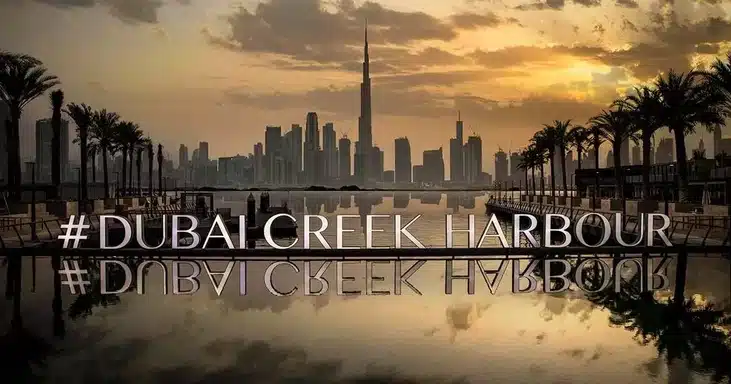
- Dubai Creek Harbour: Emaar’s waterfront megaproject is still unfolding. New off-plan towers (Harbour Gate, Creek Edge, etc.) are launching, backed by the Creek Tower icon and Metro expansion. Investors expect Creek Harbour to emerge as a major business and leisure hub by 2040, making current off-plan prices very attractive for future gains.
- Damac Master Communities: Projects like Damac Lagoons, Damac Hills 2, The Valley, DAMAC Islands are trending. In fact, one analysis shows Damac Islands (villas/townhouses) led off-plan villa sales in Q1 2025, followed by The Valley, Damac Hills 2, Villanova and Damac Lagoons. These suburban communities offer larger homes at lower prices than city centers, with parks, lakes and schools – perfect for middle-income families. Their off-plan inventory is sold rapidly thanks to appealing payment plans.
- Dubai South and Expo City: With the new Al Maktoum Airport (soon to be world’s largest) and the Expo City transformation, Dubai South is getting global attention. The district includes the emerging Logistics City and aviation zones. Off-plan apartment towers here offer very affordable entry relative to other areas. Similarly, Expo City Dubai (the legacy of Expo 2020) will host major entertainment and residential projects. Although still early, investors are eyeing these areas as long-term plays in line with the 2040 plan.
- Dubai Hills Estate & Dubai Creek Harbour: These Emaar master developments continue to attract. While parts are ready, new phases are off-plan. Dubai Hills’ golf-course villas and Creek Harbour’s skyline apartments both have development pending, offering future value.
Overall, investors balance two strategies: core vs value. Core downtown neighborhoods (Downtown, Marina) have steadier, if slower-growing, prices. But high yields are often found in value-oriented masterplans (JVC, Damac communities, Dubai South) that the 2040 plan is weaving into Dubai’s urban tapestry. The plan’s emphasis on those centers (like Expo City) and on better transportation links is guiding where the smartest developers build—and where buyers are focusing.
Off-Plan vs Ready: Strategic Choice
Buying off-plan isn’t the only way to invest, but it offers unique advantages. Ready (completed) properties provide immediate occupancy or rental income, but they typically come at a premium price. In contrast, off-plan investors benefit from lower up-front costs and time for projects to appreciate. For example, an average price per sq.ft. in completed projects may already factor in the full market demand. One analysis found off-plan studio and one-bedroom prices jumped 28.6% in late 2024, reflecting strong appetite. Meanwhile, Fitch Ratings projects that the influx of new supply (expected 90,000 units in 2025) may slow price growth, meaning prices paid on-plan today could outpace future market levels. In other words, locking in an off-plan price now can be a hedge against that shift.
Structured payment plans also give buyers breathing room that ready-home purchasers often lack. Investors can commit gradually, and often face less competition than the tight ready market. The vast preference for off-plan – 69-70% of sales – shows many buyers now consider it their default strategy. It’s a reflection of trust in Dubai’s regulated off-plan system and the expected long-term rewards.
That said, due diligence remains key. Buyers should choose reputable developers and projects aligned with Dubai’s growth plans. Those who do are tapping into a well-informed market: current data show the top-performing off-plan communities align closely with the government’s 2040 map, ensuring future infrastructure will support these investments.

Conclusion: Sustained Momentum Under Dubai’s 2040 Plan
Dubai’s 2040 Master Plan is not a distant blueprint – it’s already steering the real estate market. By prioritizing transit-oriented centers, green space, and balanced growth, the plan creates a predictable development trajectory. Investors can confidently target areas earmarked for infrastructure (like new metro lines or parks) knowing that public projects will follow. The evidence is clear: off-plan demand is surging, driven by population growth, favorable policies, and the promise of Dubai’s future urban landscape.
For 2025, this means opportunities abound. The latest statistics – rising transaction volumes, expanding pipelines and soaring off-plan sales – show a market in motion. Savvy investors, expats, and developers are taking note: buying off-plan now secures a spot in Dubai’s growing communities at today’s prices.
Fill the contact form on our website and an off-plan expert will get in touch with you.