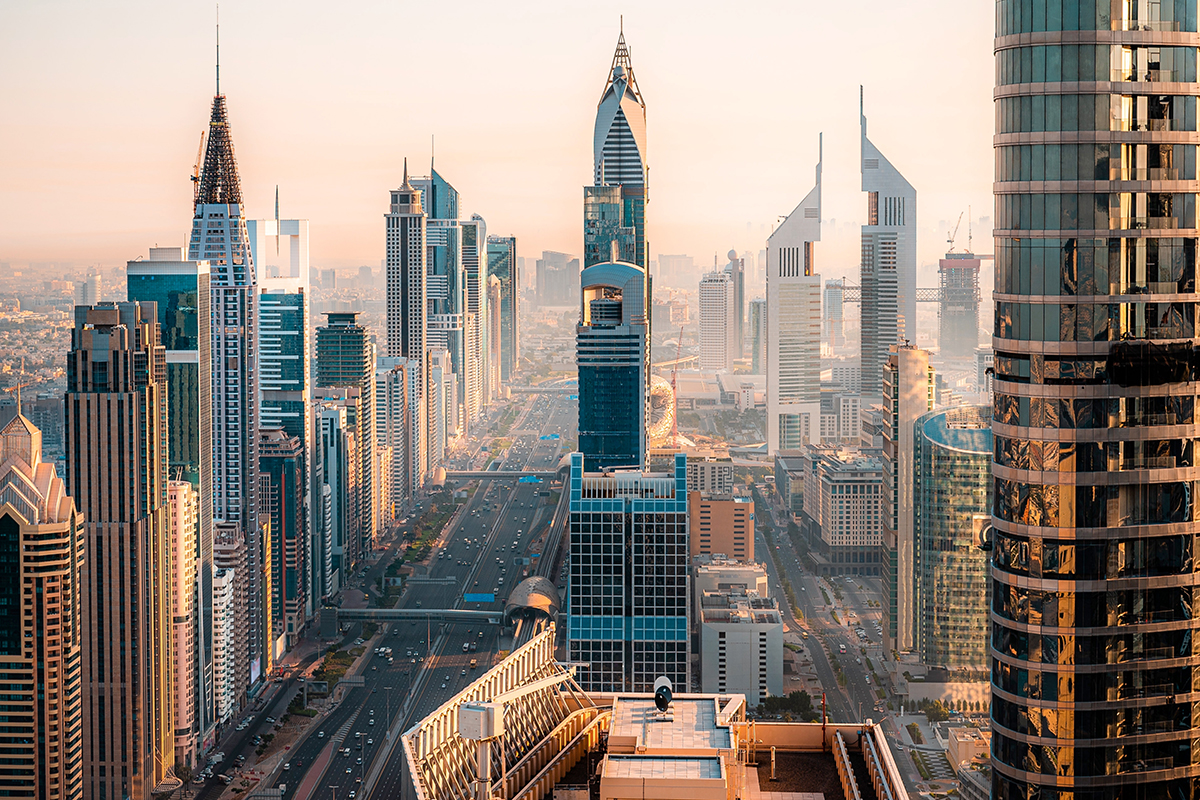
There is a logo on the lobby wall, a designer’s name in the sales brochure, and a price that is 40% higher than the apartment next door. The question every serious buyer in Dubai is asking in 2027 is a simple but critical one: which of those design-label features are genuinely adding value — and which are just marketing?
Dubai has emerged as the world’s largest branded residences market, with 48,474 branded units across 144 developments and more than 5,500 new residences added in the first half of 2025 alone. The sector transacted 13,000 units worth AED 60 billion in 2024 — a 43% year-on-year surge. But with automotive giants, fashion houses, hospitality groups, and lifestyle brands all attaching their names to residential towers, the signal-to-noise ratio is dropping. Not every collaboration is equal. Not every label adds liquidity, appreciation, or yield. This article cuts through the branding and tells you exactly which features move the needle on real estate value — and which are window dressing.
Dubai Branded Residences: The Market in Numbers
| Metric | Figure (2025–2026) |
| Total branded units in Dubai | 48,474 across 144 developments |
| Branded units added in H1 2025 alone | 5,500+ |
| Branded residences transactions in 2024 | 13,000 units — AED 60 billion |
| YoY transaction volume growth (2024) | +43% |
| Average price premium: branded vs non-branded | 42–64% (CBRE 2025) |
| Bugatti Residences premium over the market | 237% |
| Bulgari Lighthouse price per sq ft | AED 10,668 |
| Average branded residence price per sq ft | AED 3,288 |
| Average non-branded price per sq ft | AED 2,321 |
| Highest single transaction (Bugatti Residences penthouse) | AED 550 million |
| Dubai’s branded pipeline to 2031 | 140+ new launches projected |
| Off-plan share of branded transactions | 80%+ |
| HNWI interest in branded ownership (2024) | 69% — up from 59% in 2023 |
The Brand Premium Is Real – But It Is Not Uniform
The headline number — a 42–64% average price premium for branded residences in Dubai — is accurate. What it masks is the enormous variance underneath it. A hospitality-branded residence like the Four Seasons Private Residences or the Address Sky View commands its premium through independently verifiable service standards, hotel-grade management, and a globally recognised concierge infrastructure that tenants and buyers alike can price with confidence. A fashion-label collaboration like an Armani or Elie Saab-branded tower derives its premium from interior design standards, material specifications, and the aspirational identity the brand carries into the residential space.
Both can add genuine value — but only when the brand’s involvement goes beyond a logo. Knight Frank’s research confirms that some Dubai-branded projects have traded at over 100% above the wider residential market during recent cycles, while others have underperformed non-branded equivalents in the same postcode. The differentiator, consistently, is depth of brand integration: the degree to which the brand’s design language, service standards, and quality benchmarks are embedded throughout the building — not just printed on the brochure. Understanding the full spectrum of luxury off-plan choices available in Dubai helps investors identify where that integration is genuine versus superficial.
Key Insight: CBRE’s UAE Branded Residences Report 2025 found that buyers paid an average of 64% above non-branded equivalents in the same location — but the highest-premium projects were those where the brand governed not just aesthetics but service delivery, management protocols, and long-term maintenance standards.
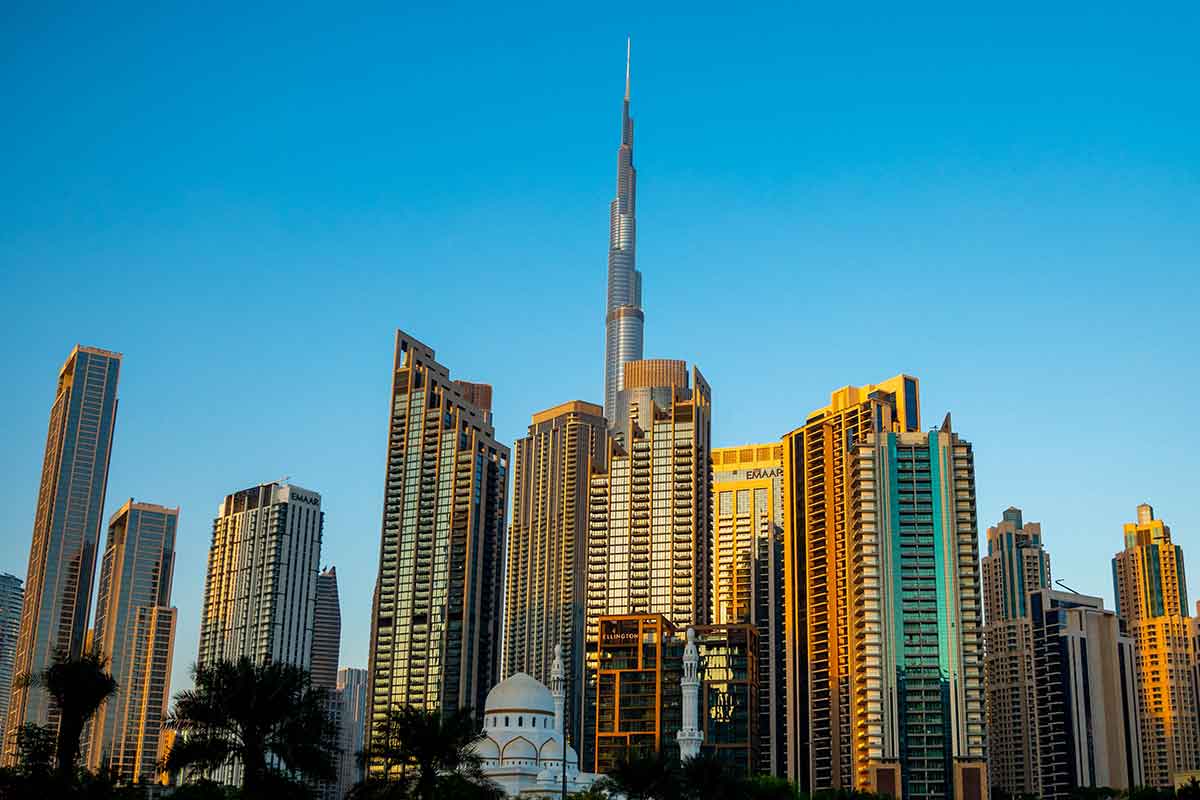
The Four Design-Label Categories: What Each Actually Delivers
1. Hospitality Brands — The Most Proven Value Driver
Partnerships with Five-Star hotel operators — Four Seasons, Ritz-Carlton, Dorchester Collection, Six Senses, Address — represent the most structurally sound value proposition in Dubai’s branded segment. These brands bring full-service property management, 24/7 concierge, hotel-grade maintenance protocols, and — critically — an internationally trusted service standard that translates directly into rental premiums and resale liquidity. A buyer in London, Singapore, or New York who recognises the Four Seasons name can underwrite the quality without visiting the building. That cross-border liquidity is a quantifiable asset. Hospitality-branded residences in Dubai typically command 4–7% gross yields, with tenants drawn from the HNWI and corporate executive pool — long lease terms, low maintenance demands, and minimal vacancy.
2. Automotive Brands — Trophy Value, Concentrated at the Top
Bugatti Residences by Binghatti, Mercedes-Benz Places by Binghatti, and the emerging pipeline of automotive collaborations represent the highest-premium, lowest-yield, highest-trophy segment of Dubai’s branded market. The Bugatti Residences penthouse sold for AED 550 million in 2025 — the most expensive residential transaction ever recorded in the report’s dataset. The brand delivers a distinctive product: private car lifts, automotive-themed interiors, and aerodynamic architecture that functions as a permanent landmark. The 237% premium commanded by Bugatti Residences over the general market is real — but it is a trophy store of value, not an income-generating asset. Gross yields in this segment run at 3–4%, and liquidity is concentrated in a thin global pool of ultra-HNW buyers. These are exceptional assets for capital preservation and statement ownership, not workhorses for rental income.
3. Fashion and Lifestyle Brands — Design Depth Determines Value
Armani, Missoni, Versace, Karl Lagerfeld, Elie Saab, Fendi, and Trussardi — fashion houses are among the fastest-growing categories in Dubai’s branded residential pipeline. The value proposition here is interior design specification: bespoke finishes, custom furniture packages, brand-designed lighting, cabinetry, and material palettes that would cost significantly more to replicate through an independent fit-out. When a fashion brand’s involvement is deep — as with the Armani/Casa interiors in Armani Beach Residences, where Tadao Ando’s architecture meets Armani’s design philosophy throughout every surface — the premium is justified and durable. When it is shallow — a logo on the lobby and a branded welcome kit — the premium evaporates quickly in the resale market.
4. Wellness and Lifestyle Innovators — The Rising Value Category
Six Senses Residences, Sha Residences, and emerging wellness-brand collaborations represent the fastest-appreciating sub-segment of Dubai’s branded market by 2025–2026. The reason is straightforward: wellness infrastructure — biophilic design, circadian lighting systems, air purification, curated fitness and spa programming — cannot be easily retrofitted into a standard building. It must be designed in from the ground up. Tenants and buyers increasingly treat wellness-grade amenities as a non-negotiable quality-of-life specification rather than a luxury extra, and that shift in buyer psychology is driving a sustained premium for buildings that genuinely deliver it.
Which Brand Category Actually Adds Value? The Honest Breakdown
| Brand Category | Price Premium | Gross Yield | Resale Liquidity | Best For |
| Hospitality (Four Seasons, Six Senses, Dorchester) | 30 – 50% | 4 – 7% | Very High | Income investors, HNW owner-occupiers |
| Automotive (Bugatti, Mercedes-Benz, Pagani) | 100 – 237% | 3 – 4% | High — but thin buyer pool | Trophy buyers, ultra-HNW capital preservation |
| Fashion (Armani, Versace, Elie Saab, Missoni) | 25 – 45% | 4 – 6% | High — brand recognition drives resale | Lifestyle buyers, mid-to-upper HNW investors |
| Wellness (Six Senses, Sha, branded wellbeing) | 20 – 40% | 5 – 6.5% | Growing rapidly | Long-term residents, health-conscious HNWIs |
| Generic ‘designer-inspired’ (no deep brand) | 5 – 10% | 5 – 6.5% | Low — premium not sustained at resale | Avoid for investment — the premium does not hold |
The Five Features That Genuinely Add Resale Value
After filtering out branding noise, market transaction data consistently identifies five specific design-label features that translate into measurable, durable price premiums at resale and superior rental yields during ownership:
Bespoke interior packages with brand IP. Armani/Casa furnishings, Bugatti-designed surfaces, Versace marble selections — these are not replicable by a tenant or buyer who moves in and refits. The brand’s intellectual property is embedded in the physical asset, and that irreplaceability sustains the premium across ownership cycles.
Hotel-grade property management. Buildings operated under a hospitality brand’s management protocol — with front-of-house teams, predictive maintenance, and internationally standardised service delivery — consistently outperform self-managed branded buildings on both yield and vacancy rates.
Signature architecture by a named global firm. Tadao Ando (Armani Beach Residences), Foster + Partners (Orla Residences), Zaha Hadid Architects — buildings with verifiably distinctive architecture from globally recognised practices hold their premium because the architecture itself becomes a landmark. Landmarks do not depreciate.
Private and exclusive amenity infrastructure. Private beach access, car lifts, resident-only clubs, and rooftop pools that are not shared with hotel guests or non-residents. The word ‘private’ is doing significant financial work here — exclusivity that can be verified and maintained commands a lasting premium over shared amenities that dilute over time.
Brand-governed material and finish specifications. When the brand’s design standards contractually govern the developer’s material selections — marble grades, appliance brands, ceiling heights, window-to-floor ratios — the quality is verifiable at handover and at every resale. When brand involvement is licensing-only, quality control is the developer’s alone, and the premium becomes difficult to defend.
Investor Rule of Thumb: Ask one question before paying a branded premium: is the brand involved in construction oversight and post-handover management, or only in marketing? If the answer is marketing-only, the premium is unlikely to survive the first resale cycle.
Dubai’s Top Designer-Branded Projects Heading Into 2027
| Project | Brand Partner | Location | Price From | Key Value-Add Feature |
| Bugatti Residences by Binghatti | Bugatti | Business Bay | AED 19M+ | Private car lifts, 237% premium, landmark architecture |
| Armani Beach Residences | Armani / Tadao Ando | Palm Jumeirah | AED 12M+ | Pritzker-winning architect, Armani/Casa interiors throughout |
| Six Senses Residences | Six Senses | Palm Jumeirah | AED 8M+ | Wellness DNA, biophilic design, branded F&B and spa |
| Orla Residences | Dorchester Collection / Foster+Partners | Palm Jumeirah | AED 10M+ | Iconic architecture, Five-Star hotel management, beach access |
| Mercedes-Benz Places | Mercedes-Benz | Business Bay | AED 4M+ | Automotive integration, smart home tech, brand interior language |
| Bulgari Lighthouse | Bulgari / Meraas | Jumeirah Bay | AED 30M+ | AED 10,668/sq ft, ultra-exclusive island location, Italian craftsmanship |
The 2027 Investment Thesis: Where the Branded Premium Still Has Room to Run
With over 140 new branded launches projected for Dubai by 2031 and the worldwide branded residences inventory expected to nearly double to 1,747 projects by 2032, the critical investor question is not whether branded residences matter — it is whether the premium is already priced in. The answer, in 2027, is segment-specific.
At the ultra-prime end — Palm Jumeirah, Jumeirah Bay, Emirates Hills — the scarcity of genuine trophy-branded product ensures premiums remain structurally supported. There are only so many Bulgari Lighthouses and Orla Residences that can be built on finite waterfront land. Supply cannot catch demand at this tier. At the mid-market branded level — Business Bay, JVC, Dubai South — the pipeline is growing fast enough that an undifferentiated branded product with shallow design involvement will face yield compression as new supply enters. Identifying the hottest off-plan branded projects before they are fully absorbed is the most important step any 2027 buyer can take in this segment.
For off-plan buyers, the 80% off-plan share of branded transactions in Dubai confirms that pre-launch entry remains the dominant strategy in this segment — and for good reason. Off-plan branded units in projects like Armani Beach Residences and Six Senses Residences have seen 25–40% secondary market premiums emerge before handover. Understanding how off-plan payment plans work for premium branded residences is the first step to positioning in this market without overcommitting capital.
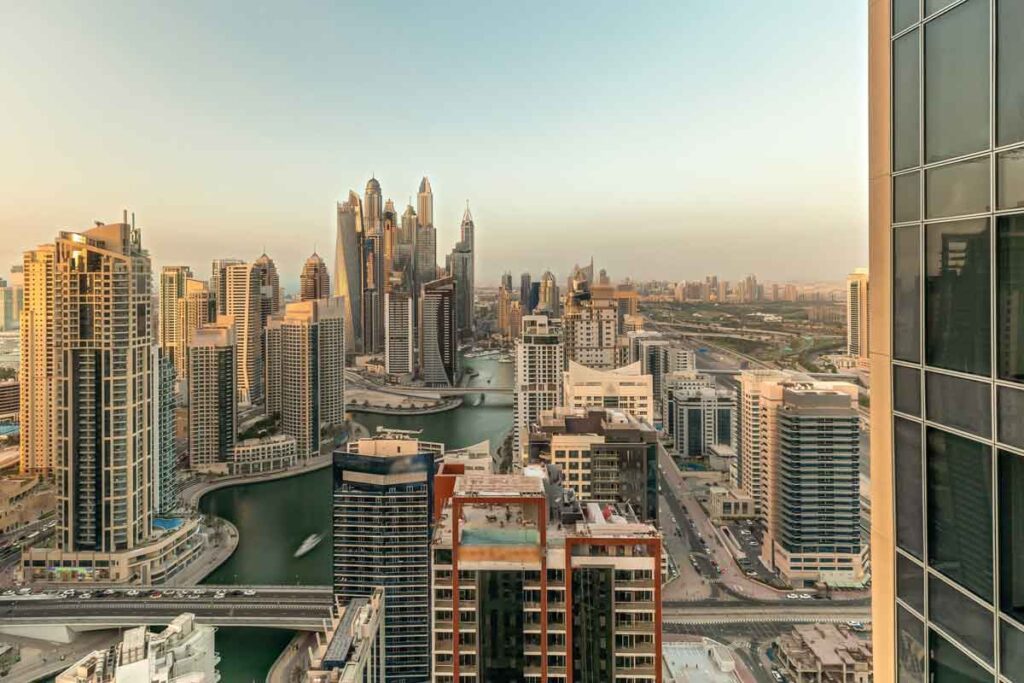
Who Should Be Buying Designer-Branded Residences in Dubai?
Ultra-HNWI trophy buyers — Bugatti, Bulgari, and Dorchester-tier branded residences function as stores of value that appreciate in line with global luxury wealth accumulation, independent of local market cycles.
Income-focused HNW investors — hospitality-branded residences delivering 4–7% gross yield with hotel-grade management, low vacancy, and global liquidity are the most reliable income-generating branded assets in Dubai.
Lifestyle-driven owner-occupiers — buyers who want to live inside a brand they identify with, and who value the integrated service standards and design quality as part of their daily experience.
Golden Visa buyers — most branded residences above AED 2 million qualify for the 10-year UAE Golden Visa. The dual benefit — residency anchor plus appreciating branded asset — is a powerful combination for HNW global citizens.
For all profiles, getting expert off-plan consultation before committing capital is essential to distinguish genuine brand depth from marketing-led premiums that may not survive the first resale cycle.
Get Access to Dubai’s Best Designer-Branded Launches Before the Market Does
At Prelaunch.ae, we provide exclusive early access to the most in-demand branded and designer-inspired residential launches in Dubai — at pre-launch pricing, before they reach the open market. Our specialists will cut through the branding noise and identify the projects where the label genuinely adds value to your investment.
Fill out the enquiry form on prelaunch.ae, and a branded residences specialist will be in touch within 24 hours.
📞 (+971) 52 341 7272 | ✉ [email protected]
Frequently Asked Questions
Do designer-branded buildings in Dubai genuinely add resale value?
Yes — when the brand’s involvement is deep. Buildings where the brand governs design standards, material specifications, and post-handover management consistently outperform non-branded equivalents at resale. The 2025 CBRE report confirmed buyers paid an average 64% premium for branded residences in Dubai, with Knight Frank noting that some projects have traded at over 100% above the wider market. Shallow branding — logo-only involvement — does not sustain a premium through the first resale cycle.
Which design label adds the most value to Dubai property in 2027?
Hospitality-branded residences (Four Seasons, Six Senses, Dorchester Collection) offer the most structurally sound value for income investors, with 4–7% yields, strong global liquidity, and verifiable service standards. Automotive labels like Bugatti command the highest absolute premiums (up to 237%) but suit ultra-HNW trophy buyers rather than yield-focused investors. Fashion brands like Armani and Elie Saab add genuine value when design involvement extends throughout the building’s interiors.
What is the average price of branded residences in Dubai in 2025–2026?
Branded residences in Dubai average AED 3,288 per sq ft, compared to AED 2,321 for non-branded equivalents in similar locations — a 42% premium by basic measure. At the ultra-prime end, Bulgari Lighthouse reaches AED 10,668 per sq ft. Entry-level branded products from automotive and fashion collaborations in Business Bay start from AED 4–5 million.
Are off-plan branded residences in Dubai a good investment in 2027?
Over 80% of branded residential transactions in Dubai are off-plan, reflecting strong pre-launch demand. Off-plan entry at pre-launch pricing in genuinely branded projects with deep design integration has consistently delivered 25–40% secondary market premiums before handover in recent cycles. RERA escrow protections apply to all off-plan purchases, safeguarding capital through construction.
How do I identify if a branded residence collaboration is genuinely adding value?
Ask three questions: Is the brand involved in construction oversight or only marketing? Does the brand govern post-handover property management and service standards? Is the brand’s design language embedded in the physical structure, or only in the interior fit-out? Affirmative answers to all three indicate a genuine collaboration. A marketing-only brand licence with no management involvement rarely sustains a premium beyond the initial sale.