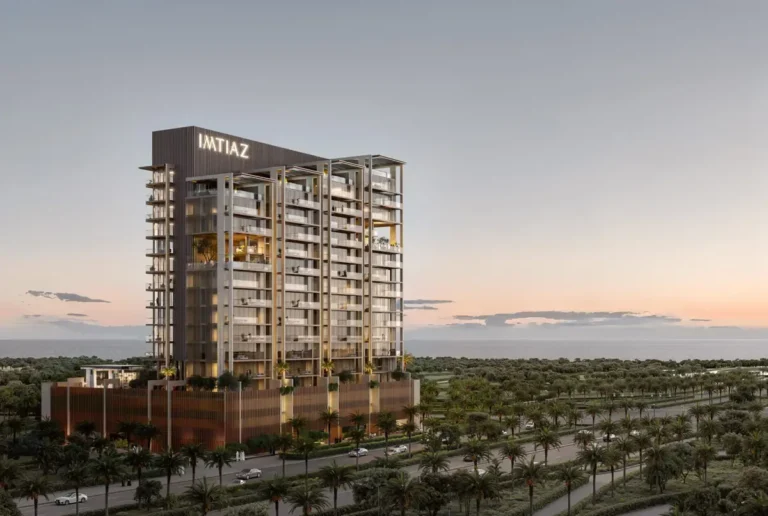
When investing in Abu Dhabi off-plan properties, most buyers fixate on securing the lowest launch prices and maximum developer discounts. However, seasoned investors understand a more critical factor that often determines long-term success: the property handover year. With Abu Dhabi planning to deliver approximately 12,800 residential units in 2026 and 12,400 units in 2027, understanding supply dynamics and market absorption capacity becomes paramount for protecting your investment value.
The timing of when your property completes construction can dramatically impact everything from capital appreciation to rental yields, resale potential, and overall portfolio performance. This comprehensive guide explains why strategic handover timing should trump attractive launch discounts in your investment decision-making process.
Understanding Abu Dhabi’s Supply Pipeline: The 2026-2027 Window
According to Cavendish Maxwell’s latest market research, Abu Dhabi delivered approximately 2,700 apartments, townhouses, and villas in the first nine months of 2025, with 8,000 new residential units expected by year-end. The capital’s residential pipeline then accelerates significantly, with 12,800 units scheduled for 2026, followed by 12,400 units in 2027, and over 21,400 units projected for 2028.
However, industry experts predict actual deliveries may fall short of these projections. Andrew Laver, Associate Director at Cavendish Maxwell Abu Dhabi, notes that “based on recent handover trends, we could see fewer-than-planned properties being delivered in the next couple of years.” This staggered approach, historically typical for Abu Dhabi, allows the market to absorb new supply gradually and prevents sudden increases in available stock.
Why Supply Timing Creates Investment Opportunities
Unlike Dubai, which faces a projected 120,000 units delivering in 2026 (potentially creating oversupply pressure), Abu Dhabi’s more conservative pipeline of 6,500 new residential units forecasted for 2026 amid continued population and employment growth creates a fundamentally different market dynamic. This limited new supply continues to support both sales and leasing activity, with market conditions likely staying tight and supporting additional price and rental growth of 8-12% in 2026.
The stark contrast between these two markets highlights why understanding handover year dynamics matters more than chasing the lowest entry price. A property purchased at a 15% discount that enters an oversupplied market may underperform a property bought at full price that completes during a supply-constrained period.
The Hidden Risks of “Too Good to Be True” Launch Discounts
Developers offering exceptionally steep launch discounts—sometimes 20-30% below market rates—often do so for specific reasons that savvy investors should scrutinize:
1. Extended Construction Timelines
Properties with handover dates in 2028 or beyond frequently come with attractive pricing to compensate buyers for extended waiting periods. However, these distant completion dates expose investors to multiple risk factors:
- Market cycle uncertainty: Abu Dhabi’s property market, while currently strong with residential prices rising by 30% year-on-year in December 2025, may experience different conditions 3-5 years from now
- Developer delivery track record: Extended timelines increase the probability of construction delays, which historically affect even reputable developers
- Opportunity cost: Capital locked in long-term projects misses shorter-term investment opportunities with faster ROI realization
2. Locations with Infrastructure Completion Risks
Deeply discounted properties in emerging areas may have handover dates that precede critical infrastructure completion. While high-yield investment zones in Abu Dhabi, such as Yas Island, Saadiyat Island, and Al Reem Island, offer proven fundamentals, newer developments in less-established areas carry additional risks when infrastructure lags behind residential completions.
Properties completing before surrounding amenities, transport links, schools, and retail facilities become operational often struggle with rental demand and price appreciation, regardless of how attractive the initial purchase price appeared.
3. Developer-Specific Considerations
The developer’s track record on timely handovers should weigh heavily in your decision. As outlined in our guide on maximizing ROI with UAE pre-launch properties, prioritizing entities with proven records of on-time delivery and financial stability—such as Emaar Properties, Aldar, and Sobha Realty—reduces handover-related risks significantly.
Strategic Handover Year Selection: The 2026 vs. 2027 vs. 2028 Analysis
| Handover Year | Supply Context | Market Dynamics | Investment Profile |
| 2026 | 12,800 units planned; actual delivery likely lower | Tight market conditions continuing; limited supply supporting price growth | Optimal – Balanced supply absorption, strong rental demand, near-term ROI |
| 2027 | 12,400 units planned; gradual supply increase | Market absorption capacity tested; differentiation by location becomes critical | Moderate Risk – Location and developer quality paramount; selective opportunities |
| 2028+ | 21,400+ units planned; significant supply surge | Potential oversupply in certain segments; market rebalancing expected | Higher Risk – Requires exceptional location/developer; longer capital lock-in |
The 2026 Sweet Spot
Properties with 2026 handover dates currently represent the most balanced risk-reward proposition for Abu Dhabi investors. Here’s why:
Supply-Demand Balance: With approximately 12,800 units entering a market where population growth continues outpacing supply, 2026 deliveries face favorable absorption conditions. As detailed in our analysis of Abu Dhabi property prices in 2026, the capital’s diverse demand drivers—including Golden Visa investors, end-users, and corporate relocations—create resilient demand across multiple market segments.
Rental Market Timing: Properties completing in 2026 enter a rental market where experts project 3-6% rent growth, particularly in prime areas. This allows investors to start generating rental income sooner while capital appreciation continues, creating dual return streams.
Capital Efficiency: Shorter construction timelines mean your capital remains committed for less time, allowing earlier portfolio rebalancing or reinvestment opportunities. For those exploring pre-launch off-plan properties in Abu Dhabi, 2026 completions offer faster access to capital appreciation gains averaging 20-35% before handover in prime locations.

Location-Specific Handover Considerations
The relationship between handover timing and location creates distinct investment profiles across Abu Dhabi’s key markets:
Established Premium Locations (Saadiyat Island, Yas Island)
Optimal Handover Window: 2026-2027
These mature markets with existing infrastructure can absorb more efficiently. Properties in Abu Dhabi’s waterfront luxury segments continue demonstrating resilience with 11.5% annual price growth and 6-9% rental yields, making near-term handovers particularly attractive.
Emerging Mixed-Use Developments (Al Mamoura District)
Optimal Handover Window: 2027-2029
Large-scale projects like the Al Mamoura Mixed-Use Mega Project with AED 55 billion investment and phased completion to 2035 require longer timelines for infrastructure maturation. Here, later handovers may actually prove advantageous as surrounding amenities develop, though this requires accepting higher uncertainty.
Established Family Communities (Al Reem Island, Khalifa City)
Optimal Handover Window: 2026
These proven communities with existing schools, retail, and services can immediately accommodate new residents, making near-term handovers low-risk choices for investors seeking reliable rental income from day one.
Beyond Handover Date: The Complete Timing Strategy
1. Coordinate with Payment Plan Structure
Understanding post-handover payment plans becomes critical when selecting handover years. Properties with 60/40 or 40/60 payment structures (where significant percentages remain due post-handover) require careful cash flow planning, particularly if handover timing coincides with market softening.
2. Plan for Snagging and Handover Processes
Early handover years (2026) benefit from established snagging procedures and streamlined processes outlined in Abu Dhabi’s updated regulations under Law No. 2 of 2025. As covered in our comprehensive snagging and handover rights guide, buyers receive strong legal protections, including mandatory escrow accounts, fixed handover dates with penalties for delays, and one-year defect liability periods.
3. Consider Exit Strategy Timing
For investors planning to flip properties before handover, 2026-2027 completions offer optimal exit windows. Properties with 18-24 months until handover typically attract the strongest secondary market demand from buyers seeking near-term completion without full construction period wait times.
Regulatory Framework Supporting Safer Handovers
Abu Dhabi’s strengthened property laws create an environment where handover timing risks are substantially mitigated compared to previous market cycles. Key protections include:
- Escrow Account Mandates: Developer payments are released only upon verified construction milestones, reducing project abandonment risks
- Sales and Purchase Agreement (SPA) Requirements: Clear handover dates with penalty provisions for delays
- Pre-Handover Inspection Rights: Buyers can conduct comprehensive snagging inspections, with developers required to remedy defects
- RERA Oversight: The Real Estate Regulatory Authority (RERA) monitors projects, requiring developers to deposit buyer funds in protected accounts
These safeguards, detailed in our analysis of Abu Dhabi’s property laws and investment opportunities, mean that even properties with longer timelines carry significantly lower completion risks than in previous decades.
The Verdict: Prioritize Strategic Timing Over Maximum Discounts
While attractive launch prices provide immediate gratification and lower entry costs, sophisticated investors understand that handover year selection creates more significant long-term value. A property purchased at a 10% discount, completing in 2028 during potential market oversupply, may underperform a property bought at full market price, completing in 2026 during supply-constrained conditions.
Key Takeaways for Smart Handover Year Selection:
- Favor 2026-2027 handovers in Abu Dhabi’s current market cycle, balancing supply absorption with near-term ROI realization
- Evaluate the supply context for your chosen handover year, understanding how many competing units enter the market simultaneously
- Assess location maturity relative to handover timing—established areas accommodate near-term completions better than emerging zones
- Verify developer track record on meeting projected handover dates, particularly for properties completing in 2027+
- Coordinate payment structures with handover timing to optimize cash flow and financing strategies
- Consider your investment horizon—properties with 2028+ handovers suit patient investors comfortable with extended capital commitment
The Abu Dhabi market’s 18.16% year-on-year residential price growth and strong regulatory framework create favorable conditions for off-plan investment. However, maximizing these opportunities requires looking beyond initial purchase price to understand how handover timing positions your property within broader market dynamics.
Take Action: Secure Your Optimal Handover Window
At Prelaunch.ae, we specialize in helping investors navigate the complex interplay between pricing, location, developer quality, and handover timing to identify opportunities that deliver sustainable long-term returns. Our team maintains direct relationships with all major Abu Dhabi developers, providing early access to projects with optimal 2026-2027 completion schedules before public announcements.
Whether you’re targeting new residential projects in Abu Dhabi 2025 in established communities or evaluating emerging opportunities in developing zones, our experts provide comprehensive handover risk analysis alongside traditional investment metrics.
Don’t let attractive launch discounts blind you to handover timing risks. Fill up the form on our website prelaunch.ae to receive personalized analysis of current opportunities with strategic handover windows aligned with your investment goals.
Contact us directly:  (+971) 52 341 7272
  sales@mbrproperties.ae
Our specialized Abu Dhabi advisory team provides complimentary market segmentation analysis, handover schedule evaluation, and customized investment strategies that prioritize long-term value creation over short-term savings.
Frequently Asked Questions
Q1: What is the safest handover year for Abu Dhabi property investment in 2026?
Properties with 2026 handover dates currently offer the most balanced risk-reward profile, entering a market with limited supply (approximately 12,800 units) relative to sustained demand, supporting continued price and rental growth of 8-12%.
Q2: Can handover delays impact my investment returns?
Yes, handover delays can disrupt rental income projections, increase holding costs, and affect resale timing. Abu Dhabi’s updated Law No. 2 of 2025 requires clear handover dates in Sales and Purchase Agreements with penalties for developer delays, significantly reducing this risk compared to previous regulations.
Q3: Should I choose a 2028 handover if the launch discount is 25%?
Not automatically. While deep discounts appear attractive, properties completing in 2028 face higher uncertainty from potential supply surges (21,400+ units planned), extended capital lock-in periods, and difficulty predicting market conditions 3+ years forward. The discount must compensate for these additional risks.
Q4: How do I verify a developer’s handover track record?
Research the developer’s completion history through sources like Dubai Land Department records, Cavendish Maxwell reports, and Property Monitor data. Prioritize developers with consistent on-time delivery such as Emaar, Aldar, Sobha Realty, and Modon Properties. Our team at Prelaunch.ae provides comprehensive developer performance analysis for all recommended projects.
Q5: What happens if my property handover coincides with market oversupply?
Properties completing during oversupply periods may experience slower price appreciation, softer rental demand, and reduced resale liquidity. Strategic location selection in proven communities, superior unit selection (views, layouts), and holding for longer investment horizons help mitigate these effects. However, choosing appropriate handover years from the outset remains the primary risk management strategy.
Q6: Are there any advantages to later handover dates like 2028-2029?
Yes, for certain investor profiles: (1) Passive investors comfortable with longer capital commitment periods, (2) those targeting emerging areas where infrastructure maturation requires time, (3) investors seeking maximum capital efficiency through extended developer payment plans, and (4) those building long-term portfolios unconcerned with near-term exit flexibility. However, these advantages require accepting higher uncertainty and opportunity costs.