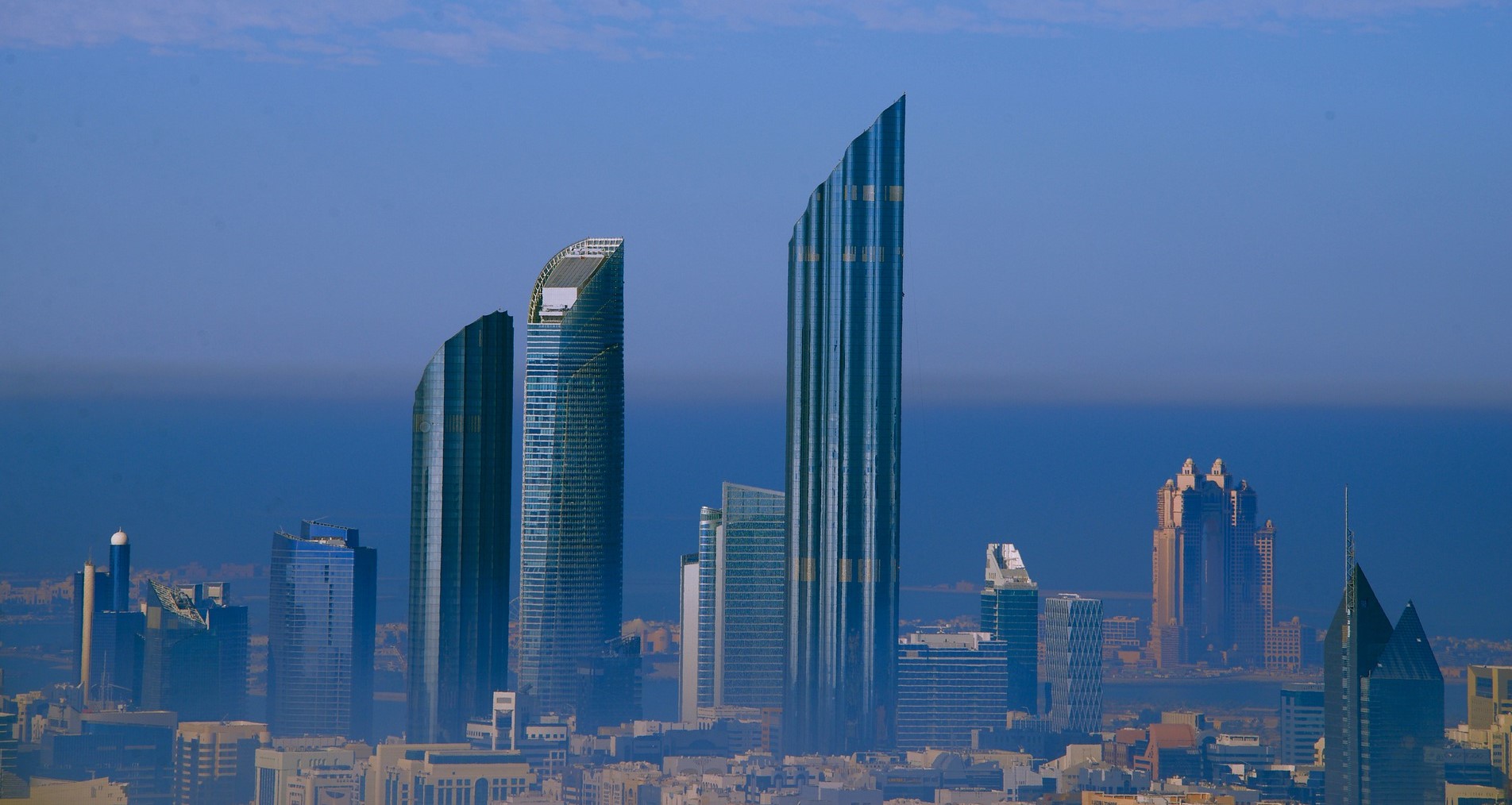
When CBRE released its UAE Branded Residences Report 2025, the headline number stopped seasoned investors mid-scroll: Abu Dhabi’s branded residence transaction volumes had surged 126% year-on-year in the first nine months of 2025. More striking still was the premium buyers were willing to pay — an average of 87% above equivalent non-branded properties. These are not vanity numbers. They reflect a structurally undersupplied luxury segment in a city rapidly redefining itself as the Gulf’s most prestigious residential address. With a future supply pipeline of 2,700+ branded units across 20+ projects scheduled between 2025 and 2030 — concentrated on Saadiyat Island, Yas Island, and Al Maryah Island — the strategic question for the 2026 investor is not whether to enter. It is which ten projects to buy, and in what sequence.
The CBRE Data That Changes Everything
Abu Dhabi’s branded residence story has moved fast. As recently as 2019, branded residences accounted for under 1% of Abu Dhabi’s residential market share. By the first nine months of 2025, that figure had climbed to approximately 2% — and CBRE projects it will peak at 18% of all new residential unit deliveries in 2029. That trajectory — from near-invisible to market-defining in a decade — is what makes the 2026 entry window so compelling for investors who can read structural trends before consensus catches up.
The 87% brand premium is the metric that most deserves scrutiny. In Dubai, buyers pay a 64% premium for branded units over equivalent non-branded stock. Abu Dhabi’s premium is 23 percentage points higher, reflecting both greater scarcity — branded residences represent just 3% of UAE branded stock despite Abu Dhabi’s growing pipeline — and the city’s positioning as an alternative luxury ecosystem built around culture, exclusivity, and sovereign-backed development. For the investor building a branded portfolio strategy, the Abu Dhabi premium is not a warning signal. It is a data-backed argument for early positioning. The rising trajectory of Abu Dhabi’s luxury real estate launches and their record premiums provides the broader context for how this premium has developed over recent cycles.
Table 1: Abu Dhabi Branded Residences — Key CBRE Market Metrics (2025)
| Metric | Abu Dhabi | Dubai | Global Average |
| YoY Transaction Volume Growth (9M 2025) | +126% | +26% | +15% |
| Average Brand Premium vs Non-Branded | 87% | 64% | 25–35% |
| Branded Share of New Supply (2029 Peak) | 18% | 8% | N/A |
| Pipeline Units (2025–2030) | 2,700+ | 31,000+ | N/A |
| No. of Projects in Pipeline | 20+ | N/A | N/A |
| Luxury Transactions (Early 2025, AED) | AED 6.3B | AED 50B (9M) | N/A |
What Makes Abu Dhabi’s Branded Market Structurally Different
Three forces distinguish Abu Dhabi’s branded residence investment case from comparable luxury markets. First, culture-led demand anchoring: the Louvre Abu Dhabi, the forthcoming Guggenheim Abu Dhabi, the Zayed National Museum, and the newly announced Disneyland Abu Dhabi create a permanently expanding audience of culturally motivated HNWIs who want to live — not just visit — near these institutions. Branded residences in the Saadiyat Cultural District benefit from a global recognition premium that is, by definition, non-replicable in other locations.
Second, supply is constitutionally constrained. Abu Dhabi’s freehold branded zones — Saadiyat Island, Yas Island, Al Maryah Island — are island geographies where land is finite. The 2,700-unit pipeline will be absorbed into a market that already has a 17:1 demand-to-supply imbalance in the luxury villa segment alone. Unlike Dubai’s 31,000-unit branded pipeline, Abu Dhabi’s 2,700 units face a structural undersupply context that protects price floors. Third, sovereign development credibility: with Aldar Properties, Mubadala, Eagle Hills, and Ohana Development leading the branded pipeline, buyers face minimal execution risk. These developers have the financial depth and government alignment to deliver on their branded partnerships. The analysis of Abu Dhabi’s best areas for long-term off-plan investment ranks these developers by delivery track record and portfolio strength.
The 2,700-Unit Pipeline: Zone-by-Zone Breakdown
Saadiyat Island — Culture Capital, Highest Brand Premiums
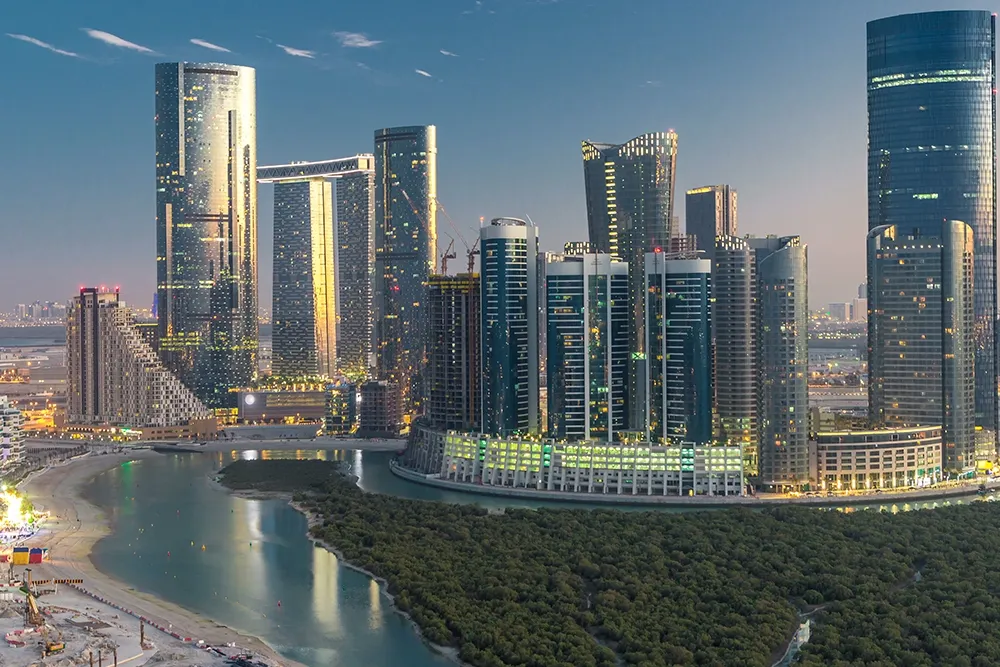
Saadiyat Island is the epicentre of Abu Dhabi’s branded residence boom, hosting the greatest concentration of globally recognised brand partnerships. In Q1 2025, Saadiyat Island alone recorded AED 5.6 billion in transactions, driven by a 22% rise in apartment values. The island’s AED 2,500–4,000 per square foot pricing remains 40% below comparable Palm Jumeirah assets in Dubai, creating a scarcity-premium window that investors who tracked Dubai in 2015 will immediately recognise. The comprehensive investment guide to Abu Dhabi’s top ROI hotspots documents Saadiyat’s 16.5% H1 2025 appreciation and maps the branded residence cluster in the Cultural District.
Yas Island — Entertainment Engine, Fastest Transaction Growth
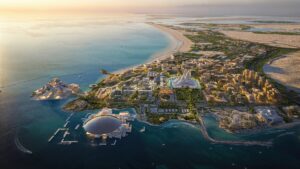
Yas Island’s branded pipeline is powered by the most compelling demand driver in Abu Dhabi: Disneyland Abu Dhabi, which Disney CEO Bob Iger confirmed for the northern coastline in January 2026. Analysts project 30% property appreciation for Yas Island by 2027 on the back of 12 million+ incremental annual visitors. The Waldorf Astoria Residences — which sold all 133 units in under 24 hours, generating AED 850 million in sales on day one — benchmark what early access to Yas Island-branded launches is worth. Buyers on the waiting list for subsequent launches would do well to review Abu Dhabi’s pre-launch off-plan projects and high-yield investment zones for the latest Yas Island pipeline listings and access strategies.
Al Maryah Island — Finance District, Institutional-Grade Branding
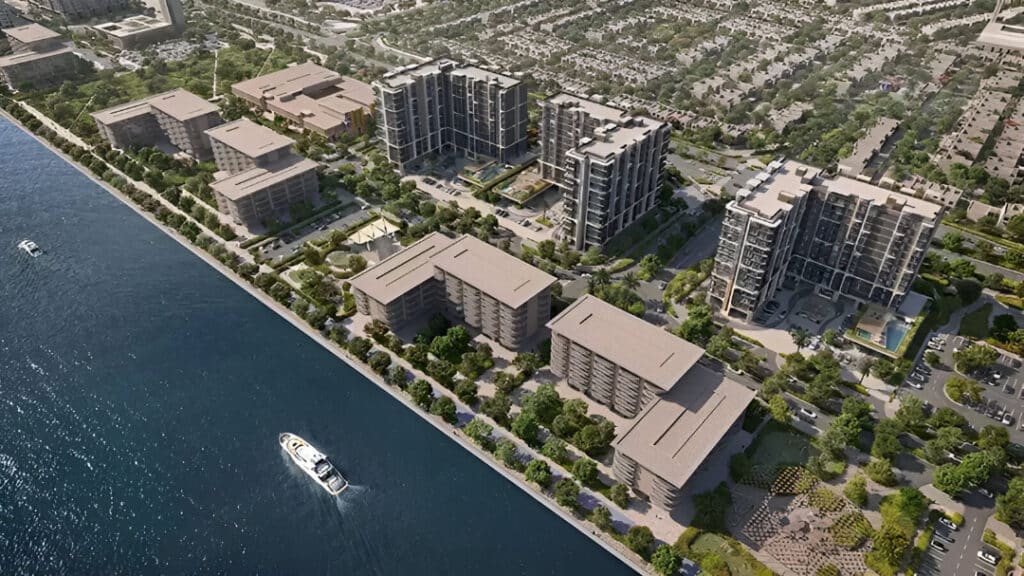
Al Maryah Island, Abu Dhabi’s financial free zone, hosts a distinct branded residence profile: institutional partners rather than lifestyle or sports brands. The Four Seasons Private Residences by Mubadala — a 34-storey landmark that sold out entirely — established the benchmark. The incoming St. Regis Residences, linked by sky bridge to The Galleria mall with 400+ luxury stores, and the W Residences by Taraf/Marriott, continue the island’s premium positioning. For investors who want branded exposure with built-in proximity to Abu Dhabi’s financial and commercial core, Al Maryah represents a category of its own. The UAE mega-trends driving branded residence growth across Abu Dhabi and Dubai contextualise the institutional-grade demand from HNWIs migrating to Abu Dhabi’s financial district.

The 10 Best Branded Residence Off-Plan Buys in Abu Dhabi for 2026
These ten projects have been selected against four criteria used by sophisticated branded-portfolio investors: launch-to-handover price trajectory, developer delivery confidence, brand-equity longevity, and payment-plan capital efficiency. They span three budget tiers — accessible, mid-luxury, and ultra-prime — to serve a range of investor profiles.
Table 2: The 10 Best Abu Dhabi Branded Residence Off-Plan Buys — 2026 Investor Scorecard
| # | Project | Brand / Developer | Location | Entry Price | Handover | Payment Plan | Projected Appreciation |
| 1 | Nobu Residences | Aldar × Nobu Hospitality | Saadiyat (Mamsha) | AED 8M (1BR) | Q2 2027 | 70/30 | 20–28% |
| 2 | Waldorf Astoria Residences | Aldar × Hilton | Yas Island | AED 3.8M | Late 2028 | 60/35/5 | 22–30% |
| 3 | Mandarin Oriental Residences | Aldar × Mandarin Oriental | Saadiyat Cultural District | AED 6.2M | Q3 2028 | 65/35 | 18–25% |
| 4 | St. Regis Residences | SAAS Properties | Al Maryah Island | AED 2.5M | Q4 2028 | 10/50/40 | 15–22% |
| 5 | W Residences | Taraf × Marriott | Al Maryah Island | AED 2.5M | Q4 2027 | 30/70 | 14–20% |
| 6 | Elie Saab Waterfront | Ohana Development | Al Reem Island | AED 1.74M (1BR) | Q1 2027 | 30/70 | 18–25% |
| 7 | SHA Residences Emirates | IMKAN × SHA | Al Jurf | AED 2.5M+ | Late 2026 | Staged | 15–22% |
| 8 | Manchester City Yas Residences | Ohana × City Football Group | Yas Canal | TBA | 2028–2029 | TBA | 20–30% |
| 9 | Four Seasons Private Residences | ALAIN × Four Seasons | Saadiyat Beach | AED 21.2M | 2026+ | 50/50 | 15–20% |
| 10 | Bulgari Resort & Residences | Eagle Hills | Ramhan Island | AED 15M+ | 2028–2029 | TBA | 20–28% |
Deep-Dive: The Four Selection Filters for Building a Branded Portfolio
Filter 1 — Brand Equity Longevity
Not all brands are equal in the Abu Dhabi context. Hospitality-linked brands — Four Seasons, Waldorf Astoria, Mandarin Oriental, Nobu, St. Regis — command the most durable premiums because their operator involvement ensures quality maintenance, managed services, and global marketing that sustains resale demand across cycles. Non-hospitality brands (sports clubs, fashion houses) carry stronger lifestyle cachet but shorter track records in residential management. For a long-term branded portfolio strategy, the CBRE data points to hospitality-branded assets as the premium-preservation anchor, supplemented by one or two lifestyle-branded units for yield upside. The rise of branded residences in Abu Dhabi and their new pre-launch partners details the full spectrum of brand partnerships active in the Abu Dhabi market.
Filter 2 — Launch-to-Handover Price Trajectory
CBRE data confirms that Abu Dhabi off-plan branded units have appreciated 15–25% between launch pricing and handover on completed projects. The Nobu Residences benchmark — where a 3-bedroom penthouse set Abu Dhabi’s property price record at USD 37 million (AED ~136M) — is an extreme but directionally accurate indicator of what culturally anchored branded scarcity does to resale pricing. For 2026 entry buyers, the target purchase scenario is to secure at launch pricing, hold through handover (capturing 15–25% appreciation), and then either rent at 6.5–9% gross yields or flip in the secondary market, where branded resales surged 158% in 2025.
Filter 3 — Payment Plan Capital Efficiency
The most capital-efficient branded residence off-plan strategy uses payment plans to minimise capital deployed during the construction phase while maximising the appreciation captured at handover. The Waldorf Astoria’s 60/35/5 structure — where only 5% is payable at handover — is exceptional. More typical structures, such as 70/30 (Nobu) or 65/35 (Mandarin Oriental), still allow buyers to hold a growing asset while paying the majority of the purchase price in instalments aligned with construction milestones. Combined with Abu Dhabi’s RERA-mandated escrow protection, these structures provide capital leverage with institutional-grade buyer protection. A full comparison of off-plan financing strategies for Abu Dhabi’s top projects is available on prelaunch.ae.
Filter 4 — Golden Visa and Residency Alignment
At the AED 2 million+ threshold, every project in the top 10 table above — with the exception of the Elie Saab Waterfront entry-level 1BR — qualifies buyers for the UAE’s 10-year Golden Visa. For HNWI investors building a branded portfolio specifically for residency purposes, Nos. 2–5 in the table (Waldorf Astoria, Mandarin Oriental, St. Regis, W Residences) offer the optimal balance of visa qualification, brand equity, and accessible payment plan structure. For ultra-prime buyers, the Four Seasons Saadiyat’s minimum entry of AED 21.2 million qualifies for the highest tier of UAE long-stay residency provisions. All projects in Abu Dhabi’s smartest pre-launch investment zones are mapped against Golden Visa eligibility thresholds.
Table 3: Abu Dhabi Branded Residences — Budget Tier Analysis for 2026 Portfolio Entry
| Investor Tier | Budget Range | Target Project(s) | Brand Type | Yield Projection | 5-Yr Capital Growth |
| Entry Branded | AED 1.7M–3.5M | Elie Saab / St. Regis / W Residences | Fashion / Hospitality | 6.5–8% | 15–22% |
| Mid-Luxury | AED 3.5M–10M | Waldorf Astoria / Nobu Residences / Mandarin Oriental | Hospitality / Dining | 6–7.5% | 18–28% |
| Ultra-Prime | AED 10M+ | Four Seasons / Bulgari / Nobu Penthouse | Hospitality / Jewellery | 5.5–7% | 20–30% |
Building the Long-Term Branded Portfolio: A 2026–2031 Strategy
The most sophisticated branded portfolio investors entering Abu Dhabi in 2026 are not picking a single project. They are constructing a multi-zone, multi-brand allocation that mirrors the city’s own development trajectory. A model AED 15–20 million branded portfolio in 2026 might look like: one Saadiyat Cultural District unit (Nobu or Mandarin Oriental) for culture-premium capital appreciation; one Yas Island unit (Waldorf Astoria resale or Manchester City Yas at launch) for tourism-and-entertainment yield; and one Al Maryah unit (St. Regis or W Residences) for financial district rental demand and Golden Visa anchoring.
This three-zone approach captures three distinct demand drivers — cultural tourism, entertainment tourism, and business migration — that are independently robust enough to sustain pricing in a downturn while compounding in a growth cycle. With Abu Dhabi’s hotel revenues growing 19% in 2025 and the emirate targeting 39.3 million visitors by 2030, the tourism-income tailwind beneath the branded residential market is structural rather than cyclical. The strategic case for waterfront branded residences delivering 10–12% gains across Abu Dhabi’s premium islands details how the tourism multiplier flows through branded residential yields.
The Risk-Adjusted Case: Why 87% Premiums Are Sustainable
Sceptics of Abu Dhabi’s branded residence premium point to the headline 87% figure as unsustainable. But the CBRE analysis shows that premiums of this magnitude are structurally supported when three conditions align: genuine supply scarcity (only 3% of UAE branded stock is in Abu Dhabi), authentic brand-operator involvement (not just a badge license — these are managed-service, quality-audited residences), and long-duration demand drivers (the Louvre, Guggenheim, Disneyland, F1 circuit, and a USD 50 billion Etihad Rail network that will connect Saadiyat and Yas to the wider region). When all three are present simultaneously — which they are in Abu Dhabi’s branded zones — the premium is not inflated optimism. It is correctly priced scarcity.
The EMILLI investor segment — defined by CBRE as assets of USD 1–5 million — is now driving branded acquisition volumes in Abu Dhabi, transforming what was once an ultra-HNWI category into a mainstream investment asset class. As this buyer base expands, the resale liquidity of branded units improves, reducing holding risk for portfolio investors. The entry-level branded market — Elie Saab from AED 1.74M, W Residences from AED 2.5M, St. Regis from AED 2.5M — is now accessible to a meaningful proportion of the global EMILLI cohort that is actively relocating to Abu Dhabi.
Table 4: Branded vs Non-Branded Off-Plan — Abu Dhabi Investment Comparison (2026)
| Category | Branded Residences | Non-Branded Off-Plan |
| Average Price Premium | +87% (CBRE 2025) | Baseline |
| YoY Transaction Growth | +126% (2025) | +15–20% |
| Launch-to-Handover Appreciation | 15–28% | 8–15% |
| Gross Rental Yield | 6–9% | 5.5–9% |
| Resale Liquidity (Secondary) | High — +158% resale surge 2025 | Moderate |
| Golden Visa Qualification | Most projects AED 2M+ | Varies by price |
| Operator Management | Yes (hotel/lifestyle brand) | Developer/self-managed |
| Buyer Profile | HNWI, EMILLI, global | Broader, including mid-market |
2026: The Year to Build Your Abu Dhabi Branded Portfolio
The CBRE data is unambiguous. Abu Dhabi’s branded residence market is growing faster, commanding higher premiums, and offering better buyer protections than comparable markets globally. The 2,700-unit pipeline landing between 2025 and 2030 will elevate the city’s luxury profile while sustaining scarcity premiums in the short-to-medium term — precisely the dynamic that rewards early portfolio builders over late-cycle followers. The ten projects shortlisted above represent the best risk-adjusted entry points across Saadiyat, Yas, and Al Maryah for investors entering in 2026.
The investor who builds a branded portfolio in Abu Dhabi in 2026 is not speculating on a trend. They are executing a strategy backed by CBRE research, sovereign developer pipelines, record transaction data, and a city-level commitment to luxury tourism, cultural infrastructure, and international wealth attraction that has no precedent in the GCC. The window — as the Waldorf Astoria’s 24-hour sellout demonstrated — closes fast. Explore the full range of Abu Dhabi’s hottest off-plan developments and pre-launch opportunities and position your portfolio ahead of 2026’s next launch wave.
SECURE YOUR 2026 BRANDED RESIDENCE ALLOCATION
Register your interest now on prelaunch.ae and our branded residence specialists will match you with exclusive allocations, floor-plan access, and developer payment plan comparisons across all 10 projects listed above.
☎ (+971) 52 341 7272 | ✉ sales@mbrproperties.ae
Frequently Asked Questions
Q1. What is a branded residence, and how does it differ from standard luxury property?
A branded residence is developed in partnership with a globally recognised brand — typically a hotel, fashion house, or lifestyle label — whose name governs design standards, service delivery, and management quality. Unlike standard luxury properties, branded residences include hotel-grade concierge services, managed services, and globally marketed rental infrastructure, which directly support both yield and resale liquidity.
Q2. Why is Abu Dhabi’s 87% brand premium higher than Dubai’s 64%?
Abu Dhabi’s higher premium reflects greater scarcity — branded stock represents just 3% of UAE branded supply — and the city’s positioning as a cultural, institutional, and family-oriented alternative to Dubai’s more transient luxury market. Buyers willing to pay the premium are targeting long-term capital preservation and lifestyle, not short-term flipping, which sustains the premium.
Q3. Are the 2026 off-plan branded residences in Abu Dhabi safe investments?
Yes, with appropriate due diligence. All Abu Dhabi off-plan funds are held in RERA-regulated escrow accounts released only against verified construction milestones. Developers behind the 2026 pipeline — Aldar, Mubadala, Eagle Hills, SAAS Properties, Ohana — are among the most financially robust in the region. The brand licensing agreements also include quality-audit provisions that further protect buyer interests.
Q4. Which 2026 branded project offers the best entry price for first-time buyers?
The Elie Saab Waterfront by Ohana Development on Al Reem Island offers the most accessible entry at AED 1.74 million for a 1-bedroom, with a Q1 2027 handover and a 30/70 payment plan. It is also the first branded residence on Al Reem Island, capturing a scarcity premium within an already supply-constrained market.
Q5. How do I access Abu Dhabi-branded residence pre-launch allocations in 2026?
Pre-launch allocations for Abu Dhabi-branded projects are typically distributed through registered brokerage partners ahead of public sales. Waiting lists open days before official announcements. The Waldorf Astoria Residences sold out in 24 hours — demonstrating that advance registration through an authorised agent is essential for securing launch pricing.
Q6. What rental yields can I expect from Abu Dhabi branded residences in 2026?
Branded residences in Abu Dhabi deliver gross rental yields of 6–9% depending on zone, unit size, and management arrangement. Short-term furnished rentals on Yas Island — particularly relevant given the demand from Disneyland Abu Dhabi and Formula 1 — can push effective yields to 9–12% for furnished branded units. Saadiyat Island cultural district units typically achieve 6.5–7.5% gross, benefiting from long-stay tenancies by HNWI.