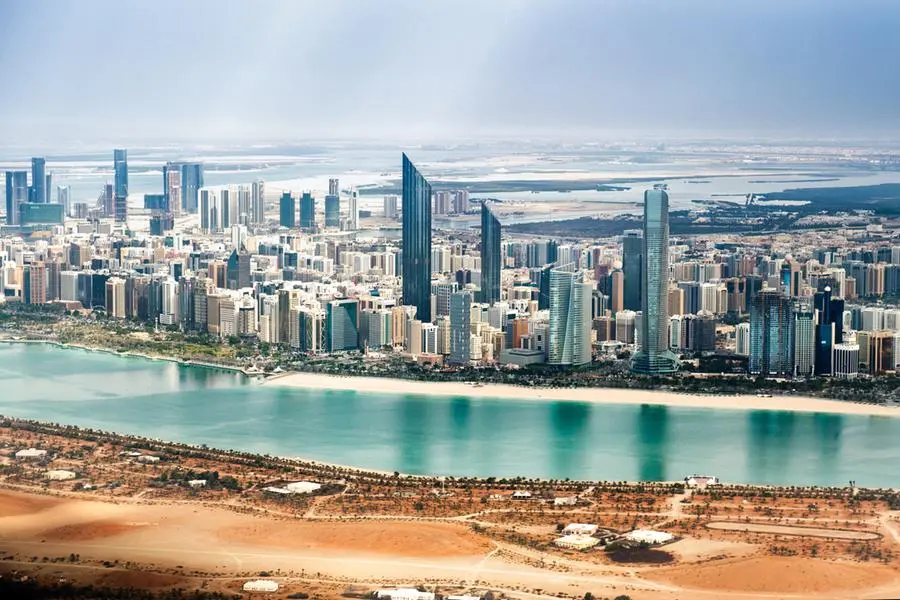
Abu Dhabi’s real estate story has always been written in superlatives. But the chapter being drafted right now — from late 2025 through 2027 — is arguably the most consequential since the emirate opened freehold ownership to foreigners. Five infrastructure mega-catalysts and five regulatory tailwinds are converging in a single 24-month window, creating a macro environment that every serious buyer of Abu Dhabi off-plan property should understand before committing capital. This is your cheat sheet.
Whether you are a first-time investor or a seasoned portfolio builder already familiar with Dubai’s hottest off-plan developments in 2025, the dynamics shaping Yas Island, Saadiyat, and Reem Island deserve equal attention. Here is why the next 24 months may be the optimal entry window.
Part 1: The 5 Infrastructure Catalysts
1. Disneyland Abu Dhabi — The Demand Multiplier
When Disney confirmed its Yas Island theme park — slated for a phased opening from 2026 onward — Abu Dhabi’s residential demand projections were rewritten overnight. The park is expected to draw an estimated 5–6 million visitors annually at full capacity, a figure that directly translates to hospitality demand, short-term rental yields, and long-term capital appreciation for properties within a 15-minute radius of Yas Island.
Yas Island already commands some of the emirate’s highest short-term rental premiums. Post-Disneyland, analysts at major brokerages project rental yields between 7–9% per annum for studio and one-bedroom units near the park, above the UAE’s national residential average of approximately 5.8%. For off-plan buyers purchasing today at pre-launch prices, the upside is structural, not speculative.
Table 1: Projected Impact of Disneyland Abu Dhabi on Yas Island Property Metrics
| Metric | Pre-Disneyland (2024) | Projected Post-Opening (2027+) |
| Avg. Short-Term Rental Yield | 5.8% p.a. | 7–9% p.a. |
| Annual Visitor Footfall (Yas) | ~3M | ~8M+ |
| Off-Plan Price Premium (Yas) | Baseline | +15–25% projected |
| Occupancy Rate (Short-Term) | ~68% | ~82% projected |
Source: Industry projections based on comparable global theme park impact studies.

2. Etihad Rail – Connectivity as Capital Growth
The Etihad Rail network — the UAE’s first inter-emirate passenger rail system — is on track to connect Abu Dhabi, Dubai, and the Northern Emirates by 2026. Stage 2 of the project links Abu Dhabi’s Khalifa Port area to Dubai’s key hubs, drastically reducing commute times to under 50 minutes. For off-plan property investors, this is transformative: areas near confirmed stations will experience the same ‘station premium’ observed globally, where residential values within 1 km of a new rail terminus rise by 10–20% above the city average within five years of opening.
Investors researching off-plan investment opportunities across the UAE should note that Etihad Rail dissolves the traditional ‘Abu Dhabi vs. Dubai’ binary for working professionals. Living in Abu Dhabi and working in Dubai — or vice versa — becomes genuinely viable, expanding the tenant pool for Abu Dhabi landlords significantly.
3. The Sphere Abu Dhabi – Culture as a Value Driver
Following the global attention captured by The Sphere in Las Vegas, Abu Dhabi is set to build its own iteration on Yas Island, part of a broader entertainment district masterplan. As a landmark entertainment venue capable of hosting international concerts, immersive experiences, and corporate events, The Sphere adds another layer of recurring footfall that compounds with Disneyland’s visitor numbers. Properties in entertainment-adjacent districts consistently outperform the wider market; Yas Island is being engineered to become a 365-day-a-year destination, not a weekend getaway.
4. Stargate AI –Abu Dhabi’s Positioning in the Global Tech Race
Perhaps the most underappreciated trigger is Abu Dhabi’s Stargate AI infrastructure initiative — a $100 billion+ global AI compute buildout in which Abu Dhabi’s G42 and the UAE government play a central role. The UAE has positioned itself as the world’s AI hub outside the US and China, and Abu Dhabi is the nerve centre. This generates a new class of high-net-worth residents: expatriate tech executives, AI researchers, and data centre operators who require premium residential accommodation and tend to sign long-term leases. The correlation between tech infrastructure investment and Grade A residential demand is well-established — look at Singapore or San Francisco pre-2020.
Buyers exploring top off-plan projects for 2025 investment should note that Abu Dhabi’s tech sector growth is quietly driving a wave of corporate demand for furnished residences in Saadiyat and Al Reem Island — areas within proximity of ADNOC headquarters and the emerging tech corridor.
5. SHA Wellness – The Rise of Branded Health-Led Real Estate
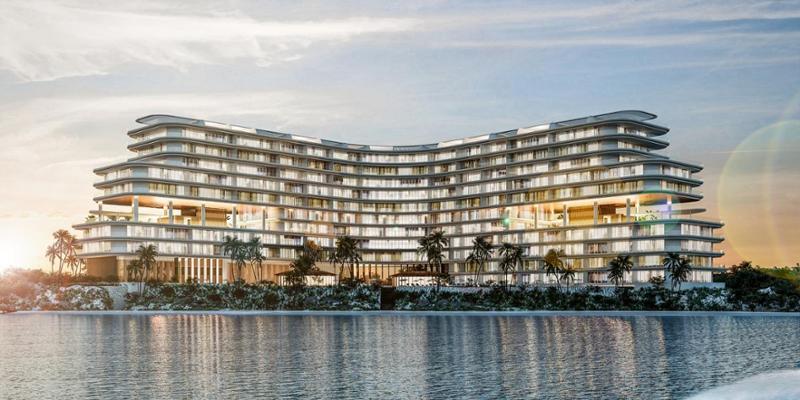
The SHA Wellness Clinic Abu Dhabi — already operational on Al Hudayriyat Island — is part of a global repositioning of Abu Dhabi as a wellness tourism and medical tourism capital. Wellness real estate is among the fastest-growing global segments, with the Global Wellness Institute valuing the wellness real estate market at over $438 billion. Properties marketed with wellness amenities command a 10–25% premium over standard comparable units, and branded wellness residences — particularly those adjacent to certified clinics — carry the highest premiums of all. SHA’s Abu Dhabi footprint elevates the entire Al Hudayriyat Island sub-market.
Part 2: The 5 Regulatory Tailwinds
6. Madhmoun – EOI The System That Filters Serious Buyers
The Madhmoun Expression of Interest (EOI) platform — Abu Dhabi’s official framework for pre-launch property registration — is one of the most significant regulatory changes in the emirate’s real estate history. It requires registered developers to release properties through a transparent, government-supervised EOI process, replacing informal ‘soft launch’ queues that previously rewarded only those with developer relationships. For buyers, this means a level playing field and legal protection from the earliest stage of a project. For the market, it signals institutional maturity comparable to Dubai’s RERA-regulated ecosystem.
Understanding how to navigate the off-plan buying process and legal protections is essential before submitting an EOI. Madhmoun-registered projects carry significantly lower completion risk than informal pre-launch offerings, making them a priority for risk-aware investors.
7. Golden Visa — Long-Term Residency Anchored to Property
The UAE’s Golden Visa property pathway remains one of the most compelling residency-by-investment programmes globally. Abu Dhabi’s threshold currently stands at a minimum property value of AED 2 million, qualifying buyers for a 10-year renewable residency visa. What makes this particularly powerful for the 2027 cycle is timing: investors who purchase off-plan today in Abu Dhabi at pre-launch prices can often meet the AED 2 million threshold at a lower effective cost than if they were to purchase a ready property at market price. As the project nears completion and property values appreciate — driven by the five infrastructure catalysts above — their Golden Visa is secured at a relative discount.
Table 2: Abu Dhabi Golden Visa — Property Investment Pathway Summary
| Criteria | Detail |
| Minimum Property Value | AED 2,000,000 (c. $545,000) |
| Visa Duration | 10 years, renewable |
| Family Inclusion | Spouse, children, and parents are eligible |
| Property Type Eligible | Freehold, off-plan (upon registration) |
| Mortgage Eligibility | Mortgaged properties may qualify (subject to terms) |
Source: ICP UAE & Abu Dhabi Department of Municipalities and Transport guidelines.
8. ADGM Expansion – Financial Gravity Pulling in Global Capital
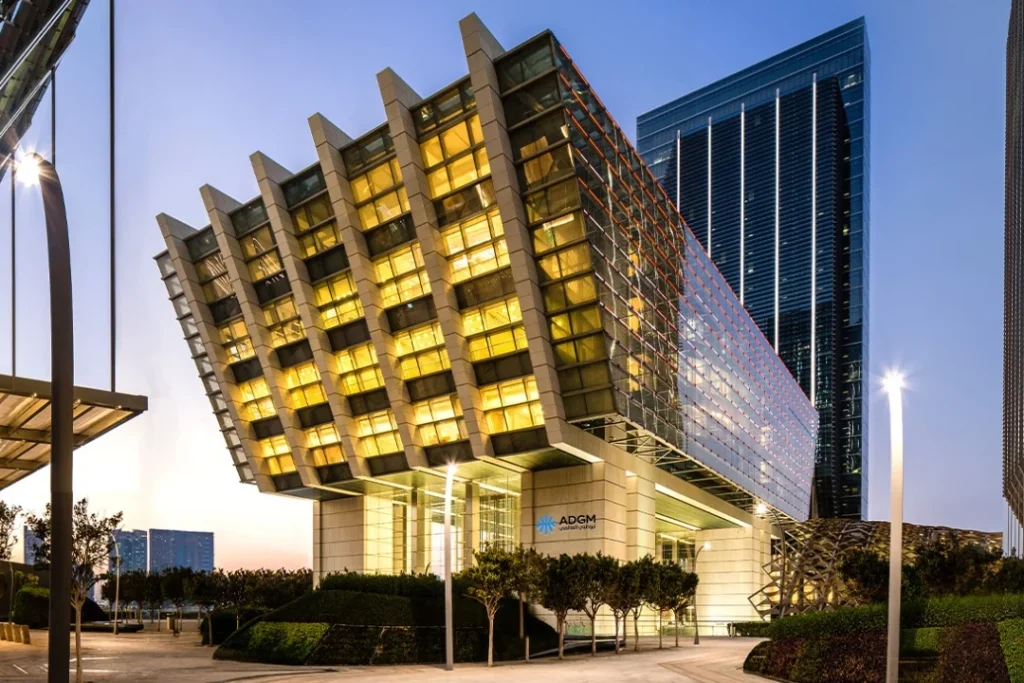
The Abu Dhabi Global Market (ADGM) — the emirate’s international financial centre on Al Maryah Island — is expanding its regulatory scope and physical footprint through 2027. As ADGM attracts more international financial institutions, family offices, and fund managers, it creates sustained demand for high-end residential units within commuting distance. The correlation between financial district expansion and premium residential price growth is documented across London, Singapore, and Hong Kong. Abu Dhabi is replicating this dynamic on an accelerated timeline.
9. Freehold Zone Expansion — More Areas, More Buyer Access
Abu Dhabi has been steadily expanding its designated freehold ownership zones available to non-GCC nationals, adding areas such as Al Jubail Island, Yas Island extensions, and portions of Saadiyat Island. Each zone expansion unlocks a new wave of international buyer demand, since foreign nationals previously locked out of certain districts can now purchase. This incremental demand injection is a structural upward pressure on prices that operates independently of the macro triggers listed above — it is simply more buyers competing for the same or similar stock.
Buyers interested in understanding how location selection affects returns should review the top locations for off-plan property investment as a complementary framework before selecting a specific community.
10. Mortgage Reforms — Unlocking Leverage for International Buyers
Abu Dhabi’s Central Bank mortgage regulations have been progressively refined to allow non-resident buyers to access UAE mortgages for off-plan and ready properties, with loan-to-value (LTV) ratios up to 50% for non-residents and 80% for UAE residents on first properties. Developer-linked financing programmes and post-handover payment plans further reduce the upfront capital requirement. Understanding available flexible payment plans for off-plan properties is therefore essential — the effective cost of entry in 2025–2027 is meaningfully lower than headline prices suggest.
Table 3: The 10 Macro Triggers — Quick Reference Scorecard for Buyers
| # | Trigger | Primary Impact | Timeline |
| 1 | Disneyland Abu Dhabi | Rental yield uplift, short-term demand surge | 2026 phased opening |
| 2 | Etihad Rail | Property premium near stations, expanded tenant pool | 2026 passenger service |
| 3 | The Sphere Abu Dhabi | Entertainment-driven footfall, Yas Island uplift | 2026–2027 |
| 4 | Stargate AI | Tech executive residential demand, premium rental | 2025–2028 build-out |
| 5 | SHA Wellness | Wellness premium pricing, Al Hudayriyat uplift | Operational now |
| 6 | Madhmoun EOI | Buyer protection, transparent pre-launch access | Active — 2025 |
| 7 | Golden Visa | Long-term residency, AED 2M property pathway | Active — ongoing |
| 8 | ADGM Expansion | Financial hub demand, premium residential pull | 2025–2027 |
| 9 | Freehold Zones | International buyer access, structural demand uplift | Rolling expansions |
| 10 | Mortgage Reforms | Lower entry cost, LTV access for non-residents | Active — ongoing |
The Meta-Strategy: How to Use These 10 Triggers as a Buyer
Understanding individual triggers is useful; understanding how they interact is transformative. Consider three compounding scenarios:
Scenario A — The Yas Island Stack: A buyer purchases an off-plan apartment on Yas Island at AED 1.2M in 2025. By the time Disneyland opens (2026), and The Sphere launches (2027), they hold a Golden Visa-qualifying asset that generates short-term rental income in the 7–9% range. The Etihad Rail station nearby means long-term tenants can commute to Dubai. All five infrastructure catalysts touch this single unit.
Scenario B — The Tech Professional Renter: Stargate AI brings a cohort of senior executives to Abu Dhabi’s tech corridor. They require furnished, high-specification residences on Saadiyat or Al Reem Island. Buyers who purchased Abu Dhabi off-plan villas in 2024–2025 in these areas — before the tech demand wave arrived — are positioned to command a significant premium over original yield projections.
Scenario C — The EOI Arbitrage: A sophisticated buyer registers through Madhmoun EOI for a development priced at AED 2.1M. At handover in 2027, the combination of freehold zone expansion, ADGM growth, and Etihad Rail connectivity has pushed comparable ready units to AED 2.6M. They hold a property that qualifies for the Golden Visa, generates rental income, and has appreciated approximately 24% in capital value before they have even considered selling.
This kind of multi-trigger analysis is exactly what separates disciplined UAE property investors from reactive buyers. For a broader framework on structuring your off-plan portfolio, explore how to select off-plan property types and locations strategically.
Conclusion: 2025–2027 Is Abu Dhabi’s Inflection Window
Abu Dhabi does not generate macro convergences like this frequently. The last comparable moment was the 2013–2015 period, when Saadiyat Island’s cultural district infrastructure — the Louvre, the Guggenheim, and NYU Abu Dhabi — unlocked a re-rating of that entire sub-market. Buyers who entered early captured returns that late entrants simply could not replicate.
The 2025–2027 cycle is broader, more diversified across sub-markets, and underpinned bya more robust regulatory infrastructure through Madhmoun and expanded freehold access. The 10 macro triggers outlined in this article — five infrastructure catalysts and five regulatory tailwinds — are not speculative. They are confirmed, funded, or already operational. What remains speculative is only the precise timing and magnitude of their price impact.
For buyers who want to move before the market fully prices in these triggers, the current off-plan pipeline across Yas Island, Saadiyat, Al Reem Island, and Al Hudayriyat represents an entry point that is unlikely to be available again. Explore our curated selection of off-plan villas and townhouses to begin identifying assets that align with your investment thesis.
Ready to Position Yourself in Abu Dhabi’s 2027 Off-Plan Market?
Fill out the enquiry form at prelaunch.ae to receive a personalised off-plan consultation from our Abu Dhabi property specialists. Our team will match you to projects aligned with your budget, timeline, and investment goals — including Golden Visa-qualifying opportunities.
 (+971) 52 341 7272 | ✉ sales@mbrproperties.ae
You can also explore our free off-plan consultation service to get started with no obligation.
Frequently Asked Questions
What is the Madhmoun EOI system, and how does it protect buyers?
Madhmoun is Abu Dhabi’s government-administered Expression of Interest platform for off-plan property launches. It requires developers to register projects before accepting deposits, ensuring buyer funds are protected under a regulated framework. This significantly reduces the risk of developer fraud or project abandonment that has historically affected unregulated pre-launch markets.
Which Abu Dhabi areas will benefit most from Etihad Rail?
Areas with confirmed station proximity — including Yas Island, Khalifa City, and the mainland connector zones — are expected to see the most direct residential price uplift. The 10–20% ‘station premium’ documented globally is expected to apply once passenger services begin in 2026.
Can I qualify for the UAE Golden Visa by buying an off-plan property?
Yes, subject to conditions. The property must be registered with the relevant authority (the Abu Dhabi Department of Municipalities and Transport for Abu Dhabi projects) and valued at a minimum of AED 2 million. Off-plan properties that are registered and have had deposits paid can qualify — your agent should confirm eligibility at the point of purchase.
Is now a good time to buy Abu Dhabi off-plan property?
The confluence of five infrastructure catalysts and five regulatory tailwinds arriving between 2025 and 2027 represents an unusual macro alignment. Historically, the best entry point in a high-growth market is before major infrastructure becomes operational — when demand is anticipated but not yet fully priced in. That window describes Abu Dhabi’s off-plan market in 2025–2026 accurately. However, every buyer’s situation differs, and personalised advice is essential.
How do off-plan payment plans work in Abu Dhabi?
Most Abu Dhabi developers offer post-handover payment plans structured as 40/60 or 50/50 splits between construction and post-completion. Some projects offer 1% monthly payment plans with 0% interest during construction. This dramatically reduces the upfront capital requirement compared to buying a ready property with a mortgage, making off-plan the more accessible entry point for many investors. Learn more through our detailed guide to off-plan payment structures.