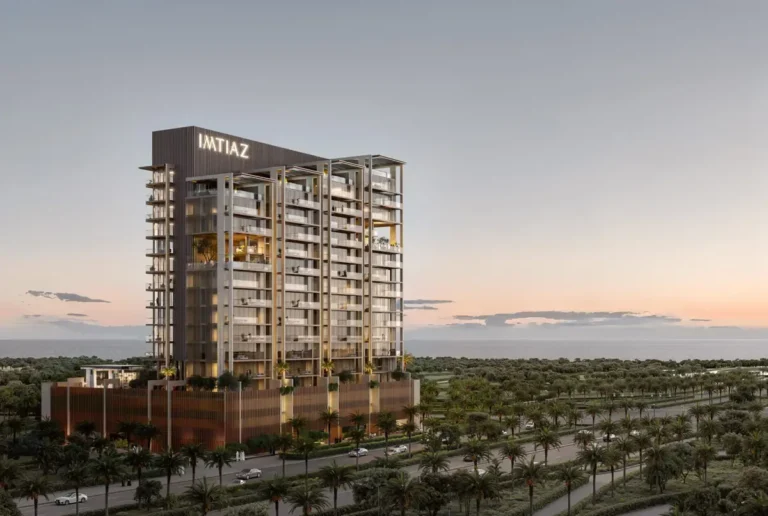
The Abu Dhabi real estate market has experienced unprecedented growth, with off-plan developments in Abu Dhabi accounting for 68% of all residential transactions in H1 2025, reflecting strong investor confidence and market momentum. However, the excitement surrounding prelaunch properties in Abu Dhabi should never overshadow the critical importance of thorough due diligence. As an expert in UAE real estate, I’ve witnessed firsthand how proper verification protocols protect investors from delivery delays, escrow irregularities, and oversupply challenges that can significantly impact returns.
With residential prices rising by 17.3% year-on-year and transaction values reaching AED 53.2 billion in H1 2025, understanding the intricacies of Abu Dhabi off-plan property investments has never been more crucial. This comprehensive guide provides you with a practical, actionable checklist specifically designed for navigating the prelaunch phase of Abu Dhabi’s dynamic property market, ensuring your investment is protected from common pitfalls that catch unprepared buyers off guard.
Understanding the Abu Dhabi Off-Plan Regulatory Framework
Before diving into the checklist, it’s essential to understand that Abu Dhabi’s real estate sector operates under distinct regulatory oversight compared to Dubai. The Department of Municipalities and Transport (DMT) and the Abu Dhabi Real Estate Centre (ADREC) govern all off-plan transactions, establishing frameworks that protect buyer interests through mandatory escrow account requirements and standardized registration processes via the DARI platform.
Unlike Dubai’s RERA system, Abu Dhabi’s regulatory approach emphasizes transparency through centralized oversight, requiring all developers to register projects before initiating sales. This regulatory environment creates a foundation of protection, but vigilant buyers must still conduct comprehensive due diligence to ensure their specific investment meets all compliance standards. The framework mandates that all buyer payments be deposited into project-specific escrow accounts, with funds released only upon verified construction milestone completion.
Understanding this regulatory landscape positions you to ask the right questions and verify critical documentation during the prelaunch phase. For investors exploring broader UAE opportunities, our guide on maximizing returns with pre-launch properties in the UAE provides strategic insights across multiple emirates.
Part 1: Escrow Account Verification – Your Financial Safety Net
The escrow account system represents your primary financial protection mechanism in Abu Dhabi’s off-plan market. Every dirham you invest should flow directly into a dedicated, regulator-monitored account that ensures funds are used exclusively for project construction rather than diverted to other developer ventures or operations.
Critical Escrow Due Diligence Steps
Verify Escrow Account Registration: Your first action should be confirming that the developer has established a properly registered escrow account with an approved banking institution. Request the specific escrow account number and verify its registration status through the DMT’s DARI platform or by contacting ADREC directly. This simple verification step protects you from scenarios where developers collect payments without proper regulatory oversight.
Confirm Bank Authorization: The escrow account must be held at a bank licensed and approved by Abu Dhabi authorities to manage real estate escrow accounts. Major banks, including First Abu Dhabi Bank, Abu Dhabi Commercial Bank, Abu Dhabi Islamic Bank, and Emirates NBD, are among the approved institutions. Verify that your developer’s escrow account meets this criterion by requesting official bank documentation confirming the account’s escrow status and regulatory compliance.
Review Fund Release Mechanisms: Understanding how and when developers can access escrowed funds is crucial. Abu Dhabi regulations stipulate that funds are released in stages based on verified construction progress, typically linked to foundation completion, structural framework milestones, mechanical and electrical installations, and final finishing stages. Request documentation outlining the specific milestone-based release schedule and the independent verification process that triggers each disbursement.
Payment Transfer Protocols
Direct Bank Transfers Only: Never make payments to individual accounts, sales agents, or third-party entities. All payments must be transferred directly to the registered project escrow account, with transfer receipts explicitly showing the escrow account number. This protocol ensures complete traceability and regulatory protection for your investment.
Maintain Comprehensive Documentation: Create a dedicated file containing all payment receipts, bank transfer confirmations showing escrow account details, and correspondence confirming payment processing. This documentation becomes invaluable if disputes arise regarding payment application or if you need to verify your investment history during the property transfer process upon completion.
Monthly Escrow Statements: Professional developers provide periodic statements detailing escrow account balances, fund disbursements tied to construction milestones, and remaining funds available for project completion. Request access to these statements as part of your purchase agreement to maintain transparency throughout the construction period.
| Escrow Verification Element | What to Check | Red Flag Indicators |
| Account Registration | DARI platform verification | Unregistered or pending status |
| Banking Institution | Approved escrow bank list | Offshore or non-approved banks |
| Release Schedule | Construction-linked milestones | Vague or undefined triggers |
| Payment Instructions | Direct escrow transfers only | Requests for third-party payments |
| Documentation Access | Regular account statements | Refusal to provide transparency |
For investors exploring Abu Dhabi’s most promising zones, our analysis of high-yield investment zones in Abu Dhabi identifies areas where proper escrow compliance combines with strong market fundamentals.
Part 2: Assessing Developer Delivery Risk
Developer track record represents the single most predictive factor for on-time, quality project delivery. Abu Dhabi’s market features both established developers with decades of successful completions and newer entrants with limited proven history. Your due diligence must differentiate between these categories to accurately assess delivery risk.
Developer Historical Performance Analysis
Completion Track Record: Research the developer’s history of completed projects, focusing specifically on their Abu Dhabi portfolio. Key metrics include the number of projects delivered on schedule, average delay periods for projects that experienced setbacks, and the percentage of projects completed versus those abandoned or significantly delayed. Established developers like Aldar Properties, IMKAN, and Modon Properties demonstrate consistent on-time delivery, while newer market entrants require more scrutinous evaluation.
Financial Stability Assessment: A developer’s financial health directly impacts their ability to weather construction challenges and market fluctuations. Request access to recent financial statements, verify their credit ratings through recognized agencies, and research any outstanding legal disputes or payment issues with contractors or suppliers. Publicly traded developers provide greater financial transparency through regulatory filings, offering investors clearer visibility into fiscal health.
Quality Reputation: Beyond timely completion, construction quality significantly impacts long-term property value and maintenance costs. Investigate the developer’s reputation through completed project visits, discussions with existing property owners, and a review of any reported construction defects or snagging issues. Developers committed to quality typically offer extended warranty periods and demonstrate responsive after-sales service.
Construction Progress Monitoring
Milestone Verification System: Establish a protocol for independently verifying construction progress against the developer’s reported schedule. Many projects provide virtual construction monitoring through webcams or regular photographic updates, but physical site visits during key milestone stages offer the most reliable verification. Consider engaging independent surveyors for critical construction phases if investing significant capital.
Contractor and Consultant Credentials: The quality of contractors, architects, and engineering consultants directly influences project outcomes. Request information about the primary contractor’s experience with similar developments, the architectural firm’s portfolio, and the engineering consultants’ credentials. Reputable developers engage established firms with proven Abu Dhabi experience rather than unknown or inexperienced partners.
Contingency and Delay Provisions: Review your sales and purchase agreement for provisions addressing potential construction delays. Well-structured contracts include clear definitions of permissible delay periods, compensation mechanisms for extended delays, and circumstances that allow contract termination with full refund. The absence of such provisions or highly developer-favorable terms should raise serious concerns.
| Delivery Risk Factor | Low Risk Indicators | High Risk Indicators |
| Developer Experience | 10+ completed projects in Abu Dhabi | Less than 3 completed projects |
| Financial Position | Publicly traded or strong banking relationships | Private with limited financial disclosure |
| Timeline Realism | Conservative schedules with buffer periods | Aggressive timelines without contingency |
| Quality History | Awards, certifications, and positive owner feedback | Complaints, legal disputes, quality issues |
| Transparency | Regular updates, site access, open communication | Limited communication, restricted site access |
Understanding broader market dynamics helps contextualize individual project risks. Our exploration of Abu Dhabi property prices in 2026 reveals how supply dynamics interact with demand fundamentals, informing realistic delivery timeline expectations.
Part 3: Unit Saturation and Market Absorption Analysis
Unit saturation represents one of the most underestimated risks in prelaunch investing, particularly as Abu Dhabi’s pipeline includes approximately 12,800 residential units scheduled for 2026 delivery. Understanding whether a specific project or community faces oversupply risk requires analyzing both micro-level project dynamics and macro-level market absorption capacity.
Community-Level Saturation Assessment
Existing Supply Analysis: Research the current inventory of similar unit types within the project’s immediate community and surrounding neighborhoods. For example, if considering a two-bedroom apartment in a Yas Island development, analyze the existing stock of two-bedroom units within a five-kilometer radius, their current occupancy rates, and average time-to-lease for vacant units. High existing vacancy rates signal potential absorption challenges.
Pipeline Competition: Identify all competing developments with expected delivery dates within twelve months of your target project. This pipeline analysis reveals whether your unit will enter a market experiencing a simultaneous supply surge, which can depress rental rates and resale values during the critical post-handover period. Tools like the DARI platform and major property portals provide visibility into registered upcoming projects.
Demographic Demand Alignment: Effective saturation analysis requires understanding the specific tenant or buyer demographics your unit will attract. Luxury waterfront villas on Saadiyat Island serve different market segments than affordable apartments in Al Reef, with distinct absorption dynamics. Research population growth trends, employment patterns in relevant sectors, and demographic shifts that drive demand for your specific unit category.
Rental Yield and Capital Appreciation Projections
Current Rental Market Analysis: Investigate prevailing rental rates for comparable units in your target community and similar-standard developments. Calculate the gross rental yield based on your total investment cost, including service charges, factoring in realistic occupancy assumptions. Abu Dhabi rental yields typically range from 5.5% to 8.5,% depending on location and property type, withthe best investment areas in Abu Dhabi 2025 delivering top-tier returns.
Historical Appreciation Patterns: While past performance doesn’t guarantee future results, analyzing historical price appreciation in your target community provides context for realistic expectations. Prime waterfront locations like Yas Island and Saadiyat Island have demonstrated 14-20% annual appreciation, while emerging communities show different trajectories. Understanding these patterns helps assess whether current pricing offers genuine value or reflects speculative premiums.
Supply-Demand Balance Forecasting: Synthesize your supply analysis with demand drivers, including Abu Dhabi’s population growth (4.2% year-on-year), employment expansion in key sectors, and infrastructure development plans. Areas with strong fundamental demand drivers coupled with measured supply additions represent lower saturation risk than locations experiencing supply surges without corresponding demand growth.
Strategic Timing and Exit Flexibility
Market Entry Timing: Consider whether purchasing at prelaunch, during construction, or near completion optimizes your risk-return profile given current market conditions. In markets approaching supply peaks, later entry points may offer better pricing as competing developers adjust to softer demand. Conversely, projects in supply-constrained communities may justify early commitment to secure premium unit selection.
Resale Restrictions and Assignment Rights: Review your purchase agreement for any restrictions on assigning or reselling your unit before completion. Some developers prohibit assignment, requiring buyers to complete the purchase regardless of market conditions or personal circumstance changes. Others allow assignment for a fee, providing exit flexibility if your situation or market outlook changes during construction.
Post-Handover Payment Options: Increasingly, Abu Dhabi developers offer post-handover payment plans extending portions of payment schedules beyond completion. While reducing immediate capital requirements, these plans create ongoing financial commitments during the critical rental establishment period. Analyze whether these terms align with your liquidity management strategy and rental income generation timeline.
| Saturation Risk Level | Community Characteristics | Investment Strategy |
| Low Risk | High occupancy (>90%), limited pipeline, strong demand drivers | Premium pricing acceptable, longer hold periods viable |
| Moderate Risk | Balanced supply-demand, 85-90% occupancy, measured pipeline | Price sensitivity is important, and flexible exit options are valuable |
| High Risk | Falling occupancy, significant pipeline, weakening fundamentals | Avoid or require substantial discounts and short-term exit plans |
Our comprehensive guide on pre-launch off-plan projects for long-term investment provides a deeper analysis of which Abu Dhabi communities demonstrate sustainable demand fundamentals versus those facing potential oversupply.
Part 4: Legal and Documentation Due Diligence
Beyond financial and market considerations, thorough legal due diligence protects your ownership rights and ensures contractual clarity for all critical terms governing your investment. Abu Dhabi’s evolving legal framework for off-plan properties requires careful review of multiple documentation layers.
Essential Documentation Review
Sales and Purchase Agreement (SPA): This master document defines all terms governing your purchase and the developer’s obligations. Critical elements requiring careful review include the precise unit specifications with detailed finishing standards, payment schedule with exact milestone definitions, completion date with clearly defined delay provisions and penalties, maintenance and service charge frameworks, and any restrictions on use, rental, or resale. Engage qualified real estate lawyers specializing in Abu Dhabi property law to review this agreement before signing.
Title and Ownership Verification: Confirm that the developer holds a clear title to the land or possesses authorized development rights for the project. In Abu Dhabi, developers must demonstrate land ownership or formal development agreements with landowners before receiving regulatory approval to sell units. Request copies of land title documents and development agreements to verify this fundamental prerequisite.
Project Registration Confirmation: All legitimate off-plan projects must be registered with the DMT and accessible through the DARI platform. Request the official project registration number and independently verify its active status on DARI. This registration confirms regulatory approval and establishes the framework for buyer protection throughout the development process.
Community Management Framework: Understanding future service charge structures, community management arrangements, and homeowners’ association governance prevents unwelcome surprises after handover. Request detailed projections of annual service charges, which can significantly impact investment returns, and review the proposed community management structure and resident rights within the development.
Regulatory Compliance Verification
Foreign Ownership Eligibility: While many Abu Dhabi communities offer freehold ownership to foreign nationals, some areas maintain restrictions. Verify that your target property’s location permits 100% foreign ownership if this applies to your situation. Prime investment zones, including Yas Island, Saadiyat Island, Al Reem Island, Al Raha Beach, and Al Ree,f offer unrestricted foreign ownership.
Golden Visa Qualification: If pursuing the UAE’s Golden Visa program, confirm your property investment meets the required threshold. Investments of AED 2 million or more in residential property, including qualified off-plan purchases, can secure ten-year renewable residency. Verify that your specific purchase structure and payment schedule satisfy Golden Visa requirements if this benefit motivates your investment.
DARI Registration Process: Understand the DARI registration requirements and timeline, including the mandatory 21-day registration window after signing your SPA. Late registration attracts penalties, so ensure your developer provides clear guidance on this process. DARI registration formally records your ownership interest and provides additional regulatory protection throughout construction.
For investors exploring the full spectrum of Abu Dhabi opportunities, our overview of Abu Dhabi’s hottest off-plan developments highlights projects meeting stringent regulatory and documentation standards.

Part 5: Financial Planning and Risk Management
Sound financial planning transforms prelaunch investments from speculative ventures into strategically managed positions within diversified portfolios. Your due diligence checklist must include comprehensive financial modeling and risk mitigation strategies.
Investment Cost Analysis
Total Capital Requirement Calculation: Beyond the unit purchase price, factor in all associated costs, including registration fees through DARI (typically 2% of purchase price), legal fees for agreement review and transaction management, valuation fees if securing mortgage financing, initial service charge deposits, and connection fees for utilities and homeowners’ association registration. These additional costs typically add 4-7% to your base purchase price.
Payment Schedule Alignment: Map the developer’s payment schedule against your available capital and income projections. Construction-linked payment plans typically require 10-20% upfront, 50-60% during construction phases, and 20-30% upon handover. Ensure your liquidity supports these milestones without forcing distressed asset sales or high-cost borrowing.
Mortgage Strategy Assessment: If leveraging mortgage financing, understand that lenders typically disburse funds aligned with construction progress rather than providing full financing upfront. Coordinate with mortgage providers early in the process to confirm approval, understand disbursement schedules, and ensure alignment with your payment obligations to the developer.
Risk Mitigation Strategies
Portfolio Diversification: Avoid concentrating excessive capital in single developments or communities. Diversification across multiple projects, locations, and unit types reduces exposure to project-specific delivery failures or localized market weakness. Consider balancing prelaunch positions with ready property investments that generate immediate rental income, offsetting the holding costs of under-construction assets.
Cash Reserve Management: Maintain adequate cash reserves to cover unexpected costs, including construction delay periods that extend your capital commitment timeline, soft market conditions during initial lease-up that may require rent concessions or prolonged vacancy, and above-budget service charges or unexpected maintenance costs after handover. Financial advisors typically recommend maintaining 12-18 months of holding costs in liquid reserves.
Exit Strategy Planning: Define clear exit strategies before committing capital, understanding that prelaunch investments require longer holding periods than ready properties. Potential exit points include assignment during construction if market appreciation creates profitable exit opportunities, immediate post-handover sale to capitalize on completion premiums, or medium-term hold (3-5 years), allowing market maturation and stabilized rental income. Each strategy carries distinct implications for financing structure, unit selection, and acceptable entry pricing.
Our analysis of Dubai’s 2025-26 investment window reveals strategies applicable to Abu Dhabi’s market, including optimal timing approaches and risk management frameworks.
Part 6: Infrastructure and Location Due Diligence
The physical location and surrounding infrastructure fundamentally determine your property’s long-term value trajectory and rental demand sustainability. Location due diligence extends beyond obvious amenities to encompass future development plans and connectivity enhancements.
Connectivity and Accessibility Analysis
Current Transportation Infrastructure: Evaluate existing road networks, public transportation access, and typical commute times to major employment centers, including ADGM (Abu Dhabi Global Market), downtown Abu Dhabi business districts, and industrial employment zones. Properties offering 15-20 minute access to primary employment centers command rental premiums and demonstrate stronger appreciation patterns.
Planned Infrastructure Development: Research announced transportation projects that will impact your property’s connectivity. Abu Dhabi’s expanding road networks, potential metro expansions, and the Etihad Rail project create accessibility improvements that significantly enhance property values. Verify official government announcements rather than relying solely on developer marketing materials about infrastructure plans.
Community Maturity and Amenity Development: Understanding the community’s development stage impacts short-term rental prospects and quality of life. Mature communities offer established schools, healthcare facilities, retail centers, and recreational amenities that attract stable tenant populations. Emerging communities require patience as amenity infrastructure develops, but offer earlier entry pricing and greater capital appreciation potential.
Lifestyle and Demand Driver Analysis
Target Demographic Alignment: Successful rental properties align with tenant demand characteristics in their specific location. Family-oriented communities like Al Raha Beach and Al Reef require proximity to quality schools and family recreational facilities. Professional-focused areas near ADGM prioritize business center access and upscale dining and entertainment options. Ensure your property’s characteristics match the primary demand drivers in its location.
Employment and Economic Drivers: Research the major employment sectors and economic activities driving demand in your target area. Yas Island’s entertainment and tourism economy creates different tenant profiles than Saadiyat Island’s cultural sector focus or Al Raha’s mixed residential-commercial character. Understanding these drivers helps assess demand sustainability through economic cycles.
Competition and Differentiation: Analyze what differentiates your property within its competitive set. Unique views, superior finishing standards, exclusive amenity access, or architectural distinction can justify rental premiums and accelerate leasing timelines. Properties lacking clear differentiation in crowded markets face greater pricing pressure and extended vacancy periods.
Investors seeking comprehensive location intelligence can explore our guide on the top 10 off-plan projects launching in Abu Dhabi, which analyzes location strengths across Abu Dhabi’s most promising developments.
Your Complete Pre-Launch Due Diligence Checklist
To ensure you’ve covered all critical verification areas before committing to an Abu Dhabi prelaunch property, use this comprehensive checklist:
Escrow and Financial Protection:
- ✓ Verified escrow account registration via the DARI platform
- ✓ Confirmed escrow bank is an approved institution
- ✓ Reviewed fund release schedule tied to construction milestones
- ✓ Established direct bank transfer protocols to the escrow account
- ✓ Arranged for monthly escrow statement access
Developer and Delivery Risk:
- ✓ Researched developer’s completion track record in Abu Dhabi
- ✓ Assessed developer’s financial stability and credit standing
- ✓ Investigated quality reputation through completed projects
- ✓ Verified contractor and consultant credentials
- ✓ Established construction progress monitoring protocol
Market Saturation and Competition:
- ✓ Analyzed existing inventory and vacancy rates in the target community
- ✓ Identified competing projects with similar delivery timelines
- ✓ Calculated realistic rental yields based on current market rates
- ✓ Reviewed historical appreciation patterns in the area
- ✓ Assessed demographic demand alignment with unit type
Legal and Documentation:
- ✓ Engaged a qualified real estate lawyer for SPA review
- ✓ Verified developer’s land title or development rights
- ✓ Confirmed project registration on the DARI platform
- ✓ Reviewed service charge projections and community management structure
- ✓ Verified foreign ownership eligibility and Golden Visa qualification
Financial Planning:
- ✓ Calculated total investment cost including all fees
- ✓ Aligned payment schedule with available capital
- ✓ Secured mortgage pre-approval if leveraging financing
- ✓ Established cash reserves for 12-18 months holding costs
- ✓ Defined a clear exit strategy with multiple scenarios
Location and Infrastructure:
- ✓ Evaluated current connectivity to employment centers
- ✓ Researched planned infrastructure improvements
- ✓ Assessed community maturity and amenity development stage
- ✓ Confirmed target demographic alignment
- ✓ Analyzed property differentiation within the competitive set
Conclusion: Protecting Your Abu Dhabi Investment Through Vigilant Due Diligence
Abu Dhabi’s off-plan property market offers compelling opportunities for investors seeking capital appreciation, attractive rental yields, and lifestyle benefits in one of the UAE’s most dynamic cities. However, the prelaunch phase demands rigorous due diligence to protect your investment from escrow irregularities, delivery failures, and market saturation risks that can significantly impair returns.
By systematically addressing each element of this due diligence checklist, you transform prelaunch investing from a speculative venture into a calculated strategy built on verified facts, regulatory compliance, and realistic market assessment. The time and effort invested in thorough verification during the prelaunch phase pays substantial dividends through the peace of mind that comes from informed decision-making and the financial protection afforded by proper contractual and regulatory safeguards.
Remember that Abu Dhabi’s real estate regulatory framework, while robust, requires active investor participation through verification and monitoring. The Department of Municipalities and Transport, ADREC, and the DARI platform provide essential oversight, but your personal due diligence remains the primary defense against investment disappointment.
Take the Next Step in Your Abu Dhabi Investment Journey
At Prelaunch.ae, we specialize in guiding investors through Abu Dhabi’s prelaunch property landscape with expert due diligence support, exclusive access to premium developments, and comprehensive market intelligence. Our team conducts thorough vetting of developers, escrow compliance verification, and market saturation analysis, ensuring you have confidence in every investment decision.
Fill up the form on our website prelaunch.ae to receive:
- Exclusive access to vetted prelaunch opportunities before public announcements
- Comprehensive project analysis reports covering all due diligence elements
- Personalized investment strategy consultations tailored to your objectives
- Direct developer relationships enabling preferential pricing and terms
Contact our expert team today:  Phone: (+971) 52 341 7272
  Email: sales@mbrproperties.ae
Don’t leave your Abu Dhabi property investment to chance. Partner with experts who prioritize your financial protection through meticulous due diligence and proven market expertise.
Frequently Asked Questions (FAQs)
Q1: How can I verify that a developer has properly established an escrow account for their Abu Dhabi off-plan project?
You can verify escrow account establishment through the DARI platform operated by the Department of Municipalities and Transport. Request the specific escrow account number from the developer and cross-reference it with DARI records. Additionally, contact the designated escrow bank directly to confirm the account exists and is registered for real estate development purposes. Legitimate developers provide this information transparently and encourage verification.
Q2: What are typical construction timeline delays in Abu Dhabi, and how should I factor them into my investment planning?
Based on market analysis, typical construction delays in Abu Dhabi range from three to nine months beyond original completion dates, though established developers like Aldar Properties demonstrate stronger on-time delivery records. Factor potential delays into your financial planning by maintaining adequate cash reserves to cover extended holding periods and avoiding time-sensitive commitments dependent on punctual handover. Well-structured purchase agreements include delay provisions defining maximum permissible extension periods and compensation mechanisms.
Q3: How do I assess whether a specific Abu Dhabi community faces unit saturation risk?
Evaluate saturation risk by analyzing current occupancy rates (optimal levels exceed 90%), identifying competing projects with delivery dates within twelve months, and comparing announced supply additions against demographic demand drivers including population growth and employment expansion. Communities like Yas Island and Saadiyat Island with diversified demand sources demonstrate lower saturation risk than single-purpose developments. Research tools including property portals and DARI platform data help quantify supply pipeline concentration.
Q4: Can foreign nationals own property in all Abu Dhabi off-plan developments?
Foreign nationals can own property in designated investment zones offering freehold ownership, including Yas Island, Saadiyat Island, Al Reem Island, Al Raha Beach, Al Reef, and several other specified communities. However, some areas maintain ownership restrictions. Always verify that your target property’s location permits 100% foreign ownership before committing capital. The DMT and ADREC provide official designation lists for freehold zones.
Q5: What is the DARI registration process and why is it important?
DARI (Digital Property Registration System) represents Abu Dhabi’s central platform for registering off-plan property transactions. Buyers must register their Sale and Purchase Agreement within 21 days of signing to avoid late penalties. DARI registration formally records your ownership interest, provides regulatory oversight of the transaction, and establishes your legal rights throughout construction. The registration fee typically amounts to 2% of the purchase price and creates an official record enforceable throughout the UAE legal system.
Q6: How do service charges impact my overall investment returns?
Service charges represent ongoing operational costs for community maintenance, amenity operation, and facility management, typically ranging from AED 12-25 per square foot annually in Abu Dhabi. These charges directly reduce net rental income and impact cash flow calculations. Request detailed service charge projections from developers before committing, understanding that actual charges may vary from initial estimates. Premium developments with extensive amenities naturally command higher service charges that must be factored into rental yield calculations.
Q7: Should I purchase at prelaunch, during construction, or near completion?
Optimal timing depends on your risk tolerance, market conditions, and investment objectives. Prelaunch purchases offer lowest entry pricing and best unit selection but carry maximum delivery risk and longest capital commitment periods. Purchases during construction provide balance between price advantages and reduced uncertainty as construction progress becomes visible. Near-completion purchases minimize delivery risk and provide immediate rental income potential but sacrifice early-entry price discounts. Current market conditions with strong demand and limited supply favor earlier commitment, while markets approaching saturation peaks may warrant later entry as pricing adjusts to softer demand.