Dubai, a city renowned for its innovation and luxury, is once again redefining urban development with the Dubai Metro Blue Line. At the heart of this transformative project is the 1.3km bridge over Dubai Creek, the first of its kind in the city’s metro system. This bridge is not just a feat of engineering; it’s a catalyst for creating new property hotspots in Dubai’s thriving real estate market. Set to open in September 2029, the Blue Line will connect key areas, enhancing accessibility and driving property value growth across the emirate.
Understanding the Blue Line
The Dubai Metro Blue Line is a AED 18 billion to AED 20.5 billion investment that will extend Dubai’s metro network by 30 kilometers, featuring 15.5 km of underground tracks and 14.5 km of elevated tracks Gulf Business. The line will include 14 stations, with three interchange points at Al Khor (Green Line), Centrepoint (Red Line), and International City 1, ensuring seamless connectivity across Dubai’s existing metro network.
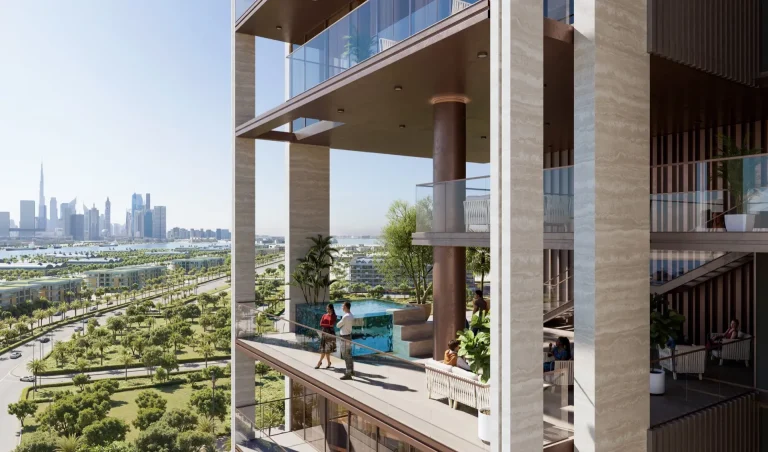
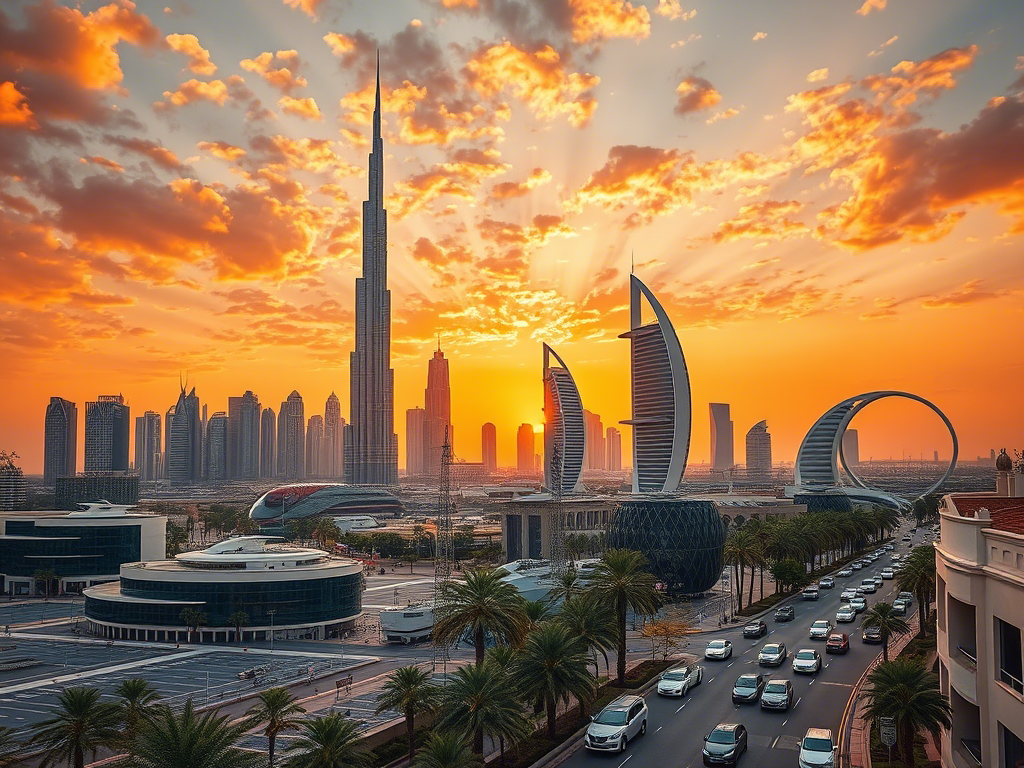
The 1.3km Dubai Creek Metro Bridge is a standout feature, connecting Al Jaddaf to Dubai Festival City and Dubai Creek Harbour. This bridge will offer commuters breathtaking views of the creek and Dubai’s skyline, making it both a functional and iconic addition to the city. The Blue Line also includes the world’s tallest metro station at Dubai Creek Harbour, standing at 74 meters, designed by the architects of the Burj Khalifa. This station is projected to handle over 70,000 daily riders by 2040, highlighting the project’s scale and ambition.
The Blue Line will follow two routes:
- Route 1: From Al Khor Interchange (Green Line) through Dubai Festival City, Dubai Creek Harbour, Ras Al Khor, International City (1, 2, and 3), Dubai Silicon Oasis, and ending at Dubai Academic City.
- Route 2: From Centrepoint Interchange (Red Line) through Mirdif and Al Warqaa to International City 1.
Construction began in April 2025, with completion expected by September 9, 2029, coinciding with the 20th anniversary of Dubai’s first metro line, Railway Gazette.
Areas Connected by the Blue Line
The Blue Line will bring metro connectivity to several areas that previously lacked direct access, unlocking their potential for growth and development. Below is an overview of these key areas and their current real estate status:
| Area | Description | Real Estate Status |
| Dubai Creek Harbour | A waterfront community by Emaar Properties with residential, commercial, and leisure facilities. | High-end residential towers, strong demand for luxury properties, and ongoing developments. |
| Dubai Festival City | A mixed-use development with retail, residential, and hospitality components. | Established retail and residential hub, with increasing interest due to metro access. |
| Ras Al Khor | Primarily an industrial area with potential for mixed-use development. | Emerging interest for commercial and residential projects due to improved connectivity. |
| International City | A large, diverse residential community with affordable housing options. | High rental demand, potential for value appreciation with metro access. |
| Dubai Silicon Oasis | A technology park and free zone with tech companies and educational institutions. | Growing residential and commercial appeal, especially for tech professionals. |
| Dubai Academic City | A hub for higher education with multiple universities. | Strong demand for student housing and faculty accommodations. |
| Mirdif | A family-friendly residential area with villas and apartments. | Increasing demand due to metro proximity and suburban appeal. |
| Al Warqaa | A residential neighborhood with affordable housing options. | Emerging hotspot for budget-conscious buyers and renters. |
These areas are poised to benefit significantly from the Blue Line, as improved connectivity typically drives demand and property value growth.
Impact on Property Values
The impact of infrastructure on real estate in Dubai is well-documented, with metro connectivity often leading to significant property value increases. The Blue Line is expected to follow this trend, with Gulf Business reporting that property values near metro stations could rise by up to 25% Gulf Business. This projection aligns with historical trends observed with the Red and Green Lines, where properties within walking distance of stations saw substantial appreciation.
A recent Khaleej Times article noted that locations connected to the Metro Blue Line, such as Dubai Silicon Oasis, Academic City, and Mirdif, are already experiencing upward price movements. Farooq Syed, CEO of Springfield Properties, stated, “There is a strong alignment between investor confidence, infrastructure delivery, and the long-term fundamentals that continue to support Dubai’s real estate market. Locations connected to the new Metro Blue Line are already seeing upward price movement.”
Additionally, rents in nine communities connected by the Blue Line have surged by up to 43%, indicating strong demand even before the line’s completion. This trend suggests that investors and residents are anticipating the benefits of metro access, driving both rental and purchase demand.
However, some analysts, such as Fitch Ratings, caution that Dubai’s real estate market may face a correction of up to 15% in late 2025 or 2026 due to a surge in property supply. Despite this, the Blue Line’s connectivity is likely to insulate connected areas from significant downturns, as demand for well-connected properties remains robust.
New Developments and Investments
The announcement of the Blue Line has spurred significant development activity in the connected areas. Developers are capitalizing on the improved connectivity to launch projects that cater to both residents and investors. For example:
- Dubai Creek Harbour: Emaar Properties is developing luxurious residential towers, retail spaces, and leisure facilities, all within walking distance of the new metro station. The Emaar Properties Station, set to be the world’s tallest metro station, will serve as a landmark, further enhancing the area’s appeal.
- Dubai Festival City: Ongoing expansions of retail and hospitality offerings are attracting more visitors and residents, with the metro station expected to boost foot traffic
- International City and Dubai Silicon Oasis: These areas are seeing increased interest in affordable housing and commercial spaces, driven by their proximity to the metro and growing populations.
The government’s commitment to infrastructure development, as part of the Dubai 2040 Urban Master Plan, supports these investments. The plan aims to create a “20-minute city,” where residents can access essential services within a 20-minute commute, a goal that the Blue Line significantly advances The National.
Broader Urban Development
The Blue Line is a cornerstone of Dubai’s vision to become a sustainable, smart city. By reducing road congestion by 20% in key areas, the metro extension will contribute to lower carbon emissions and a cleaner environment, Gulf Business. It also supports Dubai’s goal of accommodating its growing population, expected to exceed 5 million by 2040.
The Blue Line enhances Dubai’s appeal as a global business and tourism hub by improving connectivity to key destinations, including Dubai International Airport. This aligns with the Dubai 2040 Urban Master Plan, which focuses on developing five major urban centers, increasing green spaces, and expanding public transport.
Why Invest in These Areas Now?
With the Blue Line set to transform Dubai’s real estate landscape, now is an opportune time to invest in these emerging property hotspots. Properties near metro stations historically appreciate faster than those farther away, and areas like Dubai Creek Harbour, Dubai Festival City, and International City are already showing strong demand. Investors can expect both capital appreciation and high rental yields, with forecasts predicting 5-8% annual price growth and 7% average rental yields in 2025.
Dubai’s real estate market remains robust, driven by a growing population, record-breaking tourism, and supportive government policies like Golden Visas and 100% foreign ownership Emaar Properties. The Blue Line’s connectivity, particularly the Dubai Creek Metro Bridge, positions these areas as prime investment opportunities.
Conclusion
The Dubai Metro Blue Line, with its 1.3km bridge over Dubai Creek, is set to redefine Dubai’s real estate market by creating new property hotspots and driving value growth. By connecting areas like Dubai Creek Harbour, Dubai Festival City, International City, Dubai Silicon Oasis, Academic City, Mirdif, and Al Warqaa, the Blue Line enhances accessibility and attractiveness for residents and investors alike. As Dubai continues its journey toward becoming a global leader in sustainable urban living, the Blue Line will play a pivotal role in shaping its future.
For those looking to invest in Dubai’s real estate or find a home in these burgeoning areas, now is the time to act. To learn more or connect with our experts, please fill out the form on our website or contact us at (+971) 52 341 7272 or [email protected].