Dubai’s off‑plan property market is booming. In 2024 total home sales jumped 40.3% to 170,992 transactions, and off‑plan deals now comprise about 63% of all sales. This surge reflects intense investor demand for new master‑planned communities, fueled by competitive pricing, attractive payment plans and limited resale stock. As Gulf Business notes, even traditional luxury neighborhoods (Palm Jumeirah, Downtown, Marina) continue to dominate premium sales, while new districts like Palm Jebel Ali and The Oasis in Arjan are drawing fresh interest. At the same time, Bayut reports that affordable buyers are flocking to Dubai Investments Park, Dubailand and Dubai South for budget-friendly off‑plan options. In short, 2025’s hottest investment hubs will range from ultra‑luxury waterfronts to high‑yield up‑and‑coming suburbs. Below we explore the key next‑gen districts, their masterplans, developers and stats – including the latest price and rental data – to guide savvy investors.
Dubai South: Expo Legacy & Logistics Hub
Dubai South – anchored by Al Maktoum International Airport and the former Expo 2020 site – is emerging as one of Dubai’s largest mixed‑use hubs. This massive master‑planned “city” is slated for warehousing, aviation, and residential districts. Its appeal lies in off‑plan apartments and villas at very competitive prices (averaging ~AED 784,631 for flats and ~AED 2.97M for villas). With the Expo 2020 site now rebranded Expo City Dubai (District 2020), luxury residences and offices surround the old pavilions. For example, Emaar’s Expo Living project on Dubai South’s Expo grounds offers 1–2BR apartments and a retail plaza, while the former pavilions are being converted into villa clusters (e.g. Al Waha and Yasmina Villas). These projects benefit from planned infrastructure – new highways, an upcoming metro extension, and the expansion of Al Maktoum Airport – all part of Dubai’s 2040 Master Plan.

- Emaar South (Golf District): A flagship community built around an 18‑hole championship course. It includes townhouses (2–3BR from ~AED 0.8–1.1M) and villas (4–6BR from ~AED 1.4M). Even at these low price points (roughly AED 1,000–1,600/sq.ft), villas and apartments in Emaar South command strong rental yields. Market data show one‑bedroom units yielding ~6.8% ROI, and 3–4BR homes ~4–5% – well above central Dubai averages. Buyers also enjoy family amenities (schools, shopping malls, parks) and flexible payment plans (e.g. 10% on booking, 70% during construction, 20% on handover).
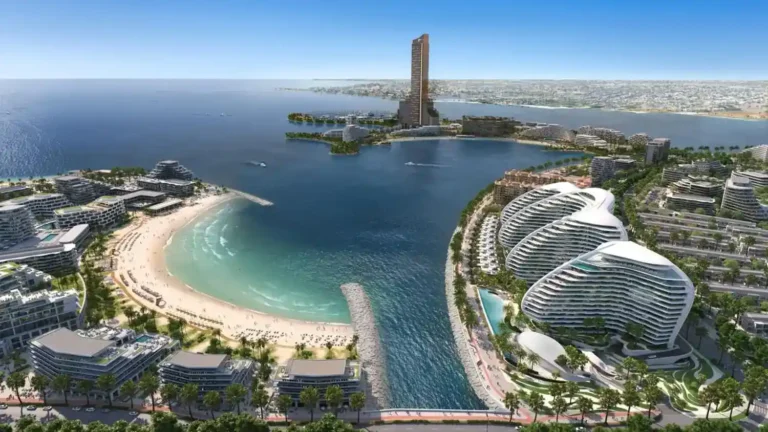
- The Pulse Beachfront: A unique island community (by Dubai South Properties) featuring 788 beachfront villas and townhouses (3–5BR, 2,600–4,800 sqft) built around a private lagoon. Launch prices started at about AED 2.8M for a townhouse (~AED 1,000–1,100/sq.ft). Residents will enjoy resort‑style amenities – a half‑Olympic swimming pool, lagoon beachfront, fitness centers, tennis courts and a promenade lined with cafes. These homes offer not only a luxury lifestyle minutes from Expo City, but also strong appreciation potential as the area develops.
- Expo City Dubai Residences: Surrounding the Expo innovation zone, projects like Dubai South Properties’ Al Khail Avenue and Dubai Holding’s Yas Acres (adjacent to Dubai Creek) are now being launched off‑plan. These integrate with the Expo City’s offices, R&D labs and schools, ensuring year‑round demand. In fact, Dubai South is responsible for a rising share of all of Dubai’s new off‑plan sales. In Q1 2025 the market recorded 42,000 transactions (AED 114B) – 70% off‑plan – and Dubai South’s contribution is expanding. Gross rental yields in the area average around 7.6% (with industry observers expecting up to 9% once more infrastructure comes online). In summary, Dubai South offers off-plan investors city‑scale growth plus some of the highest yields in Dubai.
Dubai Creek Harbour: Next-Gen Waterfront District
Dubai Creek Harbour (DCH) is Emaar’s landmark waterfront masterplan, designed to be twice the size of Downtown Dubai. It reimagines the Dubai Creek area as a luxury mixed‑use community blending skyscrapers, marina promenades and a nature sanctuary. Since its 2014 launch (a joint venture with Dubai Holding), Emaar has rolled out multiple phases: first on the man-made Creek Island (e.g. Dubai Creek Residences, Creekside 18, Harbour Views) and more recently on the mainland (projects like The Cove, Creek Gate, Moor at Creek Beach). Significant milestones include the ongoing Dubai Creek Tower (a record‑breaking observation tower) and a planned retail mega-complex “Dubai Square” (in design). In late 2022 Emaar even acquired full ownership of DCH from Dubai Holding to streamline development.
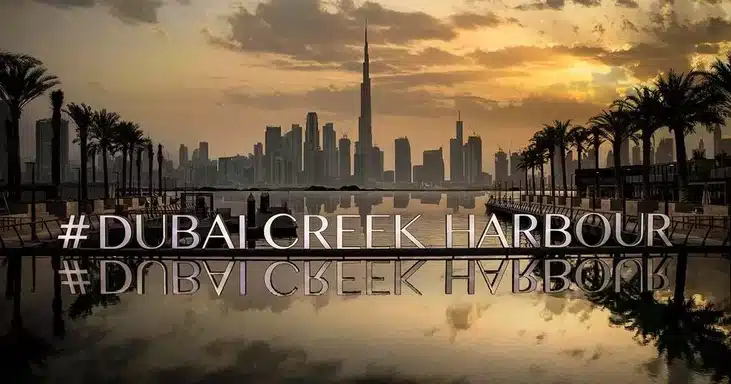
- Key Projects: The initial six‑tower Dubai Creek Residences (872 units) on Creek Island were completed by 2019, making the first residents. Emaar’s Address Harbour Point and Palace Residences are also under construction – branded luxury hotels and serviced apartments overlooking the creek. New releases (2021–25) include Creek Beach districts (townhouses and villas with lagoon beaches) and Dubai Creek Marina apartments. Each phase introduces retail boulevards, green parks and waterways, fulfilling the “city within a city” vision.
- Market Appeal & Data: Demand in DCH has been very strong. Recent market reports indicate property prices in Creek Harbour have jumped roughly 15% since 2023. Average sale prices across the district are now about AED 2.7M, or ~AED 2,400 per sq.ft – still attractive versus other waterfronts. For example, Bayut notes 1‑bedroom units start in the mid-AED 1 million range, while premium penthouses exceed AED 10M. Buyers enjoy high rental yields (around 5–6% annually) given the area’s unique location and amenities. In H1 2022 alone, Emaar reported AED 3.6 billion in DCH sales (up from AED 4.2B in all of 2021). With every new marina, park, and signature attraction (e.g. the Waterfront Boardwalk observation deck) coming online, Dubai Creek Harbour is solidifying its reputation as the next luxury waterfront hub.
Emaar Beachfront: Island Luxury Living
In Dubai Harbour (near Jumeirah Beach Residences), Emaar Beachfront is an exclusive 7 million sqft private island development. Jointly master‑planned by Emaar and Dubai Holding, it offers freehold ownership to all nationalities. The project includes about a dozen high-rise towers of Address-branded 4–5 bedroom apartments, all with views of the Arabian Gulf and Dubai Marina. (Towers like Beach Vista, Canal Heights and Marina Vista each have beachfront promenades and hotel lobbies.) A 5-star resort (Address Beach Resort & Spa) anchors the island with its infinity pools and private beach.
Investors have been drawn to Emaar Beachfront’s off-plan units because of the prime location, full amenities and strong branding. Launch prices have typically ranged from about AED 2.5M to AED 10M+, depending on size and view. While many early phases are already handover-ready, Emaar continues to roll out new release phases (often with 70/30 payment plans). The development has delivered high occupancy and rental yields; e.g. 3‑bedroom apartments can fetch over AED 160,000/year in rent. In addition to luxury living, Emaar Beachfront provides a quasi-tourism investment: residents get access to tourist visas and 100% freehold status. Although not new to the market (first homes arrived in 2021), it remains a key off‑plan destination – especially for buyers seeking beachfront amenities at a relatively “low” premium compared to Palm Jumeirah.
Business Bay & Downtown: Mixed-Use Powerhouses
Dubai’s central mixed‑use core continues to expand with off‑plan projects. Business Bay, the city’s downtown canal district, is seeing fresh launches in its next phases. Luxury towers like The Peninsula (by Omniyat) and Taj Residences appeal to high-end off‑plan buyers wanting canal views and hotel operators on-site. Likewise Downtown Dubai – home to the Burj Khalifa and Dubai Mall – still accommodates new developments (for example, The Tower at DIFC and other skyscrapers nearing completion). These areas benefit from world-class infrastructure (metro, highways, tourism magnet) and have historically dominated Dubai’s luxury market. In fact, as one market analysis notes, “high-net-worth individuals… continue to favour prime locations such as Palm Jumeirah, Downtown Dubai and Dubai Marina”. Bayut’s data confirms that Business Bay, Downtown and Palm Jumeirah “have dominated buyer interest” in the luxury segment.
Notably, all this popularity means rental and occupancy rates are at record highs. In Q3 2024, occupancy in Business Bay, Downtown and DIFC reached ~95–97%, and office rents are rising ~11% year-on-year. Retail rents jumped ~9.7% and even industrial/warehouse prices in logistics hubs climbed ~21%. That strong commercial demand bodes well for mixed-use projects, since retail and office components add value. In short, off‑plan investments in Business Bay/Downtown combine prestige with proven demand.

Palm Jumeirah & New Luxury Nodes: While not “new” hubs, Palm Jumeirah remains in many investors’ radar. The Palm has ongoing off‑plan pockets (e.g. Palm Tower apartments, The Crescent hotels) and its iconic status keeps values high. Meanwhile Palm Jebel Ali – Nakheel’s sister project to the north – has been rebooted with force. In late 2024 Nakheel awarded AED 5 billion in contracts to build 723 ultra‑luxury waterfront villas on Palm Jebel Ali’s first six fronds. When completed (by ~2026), these 5–7 bedroom “Beach Collection” and “Coral Collection” villas (8,000–15,000 sqft) will set a new benchmark for Gulf living. This signals Dubai’s commitment to expanding its luxury footprint along the coastline. Investors should watch Palm Jebel Ali as the next frontier after Palm Jumeirah.
Affordable and Mid-Market Districts: DIP, Dubailand, JVC, Arjan, Al Furjan, etc.
Off-plan growth isn’t limited to luxury. Much of the volume comes from Dubai’s newer, more affordable communities. For example, Bayut reports that Dubai Investment Park (DIP) is a top pick for budget investors. Projects like Verdana 2 (DIP) launched 1–2 bedroom flats starting just above AED 500,000. Likewise, Dubailand – a vast development zone – hosts many value projects. Reportage Village in Dubailand (by Reportage Properties) has attracted attention with villas priced around AED 2 million, a bargain for family homes. Other developing areas fit this theme: International City and Dubai Residence Complex offer cheap studios and 1‑BRs for under AED 600,000 (often geared to renting out).
Mid-tier off-plan hotspots include Jumeirah Village Circle (JVC), Arjan and Jumeirah Lake Towers (JLT). These communities feature a mix of affordable apartments and townhouses. JVC and Arjan have many mid-rise off-plan towers with amenities for families, while JLT adds the draw of established metro links and business zones. On the suburban villa side, areas like Al Furjan, Arabian Ranches 3, and Nad Al Sheba 1 are popular choices for investors seeking 3–5 bedroom townhouses at moderate prices. These districts generally offer higher rental yields (often 6–8% in 2024) since prices are lower than central Dubai and demand from young families and expats is strong.
Dubai South’s Affordable Edge: As noted, Dubai South straddles both worlds: it has luxury zones (Emaar South golf villas) and also budget-friendly apartments (e.g. Life at Dubai South). Its affordable units and community amenities are attracting budget investors as well. In fact, Bayut includes Dubai South alongside DIP and Dubailand among the “popular areas for affordable off-plan”. This means even within Dubai South, there are opportunities at various price bands.
Outlook: Why 2025 Is Poised for Growth
Dubai’s commitment to innovation and infrastructure underpins all these hubs. Government initiatives like long‑term visas (10+ years) and new free‑zone policies continue to boost investor confidence. The World Expo legacy in Dubai South, continued tourism growth (18.7 million visitors in 2024) and the upcoming Al Maktoum Airport expansion all point to rising housing demand. Analysts at Gulf Business predict that in 2025 the real estate market will remain a key growth driver, with off‑plan sales dominating transactions.
For off-plan investors, these next-generation districts offer a compelling blend of factors: capital appreciation, high rental yields, and often attractive payment plans. For example, Dubai South properties are still ~25–30% cheaper per sq.ft than similar units in central Dubai but with 7–9% yields. Dubai Creek Harbour combines waterfront vistas with 5–6% rental returns. Even mature zones like Business Bay are still growing – Bayut notes that new off-plan releases there continue to command premium rents and prices.
All the data suggests that Dubai’s off-plan market will keep thriving. Developers are lining up projects (over 48,000 new units launched in H1 2024), and buyers remain eager. As Gulf Business summarizes, the shift to off-plan reflects investors chasing “long‑term value and flexible financing”. In short, Dubai’s next-gen districts are where real estate opportunity is greatest.
Ready to seize the opportunity? To explore properties in these emerging off-plan hubs, fill out the contact form on our website and an off-plan expert will get in touch with you.