Dubai’s property sector enters 2025 on a dynamic high note, with record-breaking sales and a surge in investor confidence. The Dubai real estate market is witnessing unprecedented growth, driven largely by off-plan property deals and a steady influx of foreign buyers. In this article, we dive into the latest statistics, forecasts, and expert insights shaping 2025’s landscape, particularly the booming off-plan segment. We’ll also highlight the best areas to invest in Dubai off-plan, compare trends with past years, and discuss how government policies and developer initiatives are impacting the outlook. Finally, we’ll conclude with how investors can navigate this market and why working with a trusted partner like MBR Properties can make all the difference.
Market Overview: Trends and Forecasts for 2025
Dubai’s property market has carried forward the momentum of the past two years into 2025. Sales volumes and values continue to soar. In Q1 2025 alone, Dubai recorded AED 115.6 billion in real estate sales – a massive year-on-year surge, with total transactions up about 23% compared to Q1 2024. May 2025 set a new monthly record with AED 66.8 billion (USD 18.2 billion) in sales across 18,700 deals, marking a 44% jump in value from May 2024. This sustained growth underscores the emirate’s resilience and appeal to global investors.
Dubai property forecast 2025: Industry experts maintain an optimistic outlook for the year ahead. Many anticipate continued (if somewhat moderated) price growth. On average, residential prices are expected to rise around 5-7% in 2025, supported by strong demand and limited supply in prime segments. Dubai’s prime luxury home sales (properties over AED 10M) have been booming – 2024 saw a 29% increase in such transactions (185% higher than in 2022) – and this trend is likely to extend into 2025 as high-net-worth individuals (HNWIs) keep flocking to the city. Demand from the world’s wealthy remains robust, drawn by Dubai’s safe-haven status, Golden Visa residency offers, and tax-free lifestyle.
That said, not all analysts expect an unchecked rise. Some foresee a gentle market correction by late 2025 or 2026 as a wave of new supply hits the market. Global ratings agency Fitch, for instance, noted that an estimated 16% increase in new housing supply (versus ~5% population growth) could slightly cool prices, potentially a price dip up to 10-15% from current peaks. This isn’t a cause for alarm but rather a sign of the market stabilizing after a four-year rally. Even under this scenario, any correction is expected to be moderate, especially if project completion delays spread new inventory over a longer period. In essence, Dubai’s 2025 outlook balances exceptional current growth with a recognition that rapid price gains may normalize as more projects are completed.
Crucially, fundamental demand drivers remain strong. The UAE’s economy is growing (~4-5% GDP growth forecasted), the city’s population is expanding, and investor sentiment is buoyant. These factors, combined with proactive government initiatives (discussed later), ensure that Dubai’s real estate remains high on global investors’ radars. Whether you’re looking at ultra-luxury penthouses or entry-level apartments, the market offers opportunities, and savvy investors are watching both the big headline numbers and the granular trends in each segment.
Off-Plan Investment Boom in Dubai
One of the defining features of the Dubai property market in recent years is the dominance of off-plan investments. Off-plan properties in Dubai – units sold by developers before they are built – have become the cornerstone of market activity in 2024 and 2025. To put it in perspective, off-plan sales accounted for nearly three-quarters of all Dubai real estate transactions in 2024, a huge jump from about 45% in 2019. In other words, investors are increasingly choosing to buy into future projects, reflecting confidence in Dubai’s growth and a desire to lock in today’s prices for tomorrow’s assets.
The boom is reflected in the numbers. During 2024, off-plan transaction volume jumped 60.6% year-on-year to reach 109,527 deals, while the value of off-plan sales hit AED 228.0 billion (≈USD 62 billion), up 43.5% from 2023. By Q1 2025, off-plan momentum remained very strong: roughly 69-70% of all home sales in early 2025 were off-plan purchases. Developers launched over 30,000 new units in Q1 alone (mostly apartments), more than double the volume from the same period a year prior – a clear response to the excellent investor appetite for new developments. This supply is quickly absorbed: Dubai’s project launches are often met with high demand, from entry-level units in new suburban communities to branded luxury residences.
Why the rush into off-plan? Several factors make off-plan projects especially attractive to both local and international investors:
- Lower Entry Prices and Payment Flexibility: Off-plan units are typically sold at prices below those of comparable ready properties, with developers offering attractive launch prices and extended payment plans. Investors might pay 10-20% down and then installments during construction, easing cash flow. This means one can secure a property at today’s price and pay gradually, often even after handover (post-handover payment plans). It’s a significant draw for those seeking to maximize leverage and return on investment (ROI).
- Capital Appreciation Potential: Investing early in a project often allows investors to ride the wave of price appreciation by the time of completion. In a rising market, an off-plan buyer can see significant gains by the time the keys are handed over. Dubai’s recent track record supports this – popular off-plan launches have appreciated considerably as the city’s growth continues. For example, prices for off-plan units in sought-after areas like Business Bay and Jumeirah Village Circle surged up to 30% during 2023 alone as demand outstripped initial supply.
- Modern Amenities and Buyer Preferences: New developments cater to contemporary tastes – think smart home technology, sustainable design, resort-style amenities, and layouts optimized for work-from-home lifestyles. These features make off-plan properties highly appealing to both end-users and tenants. Buyers know they’re getting the latest standards in energy efficiency, design, and community planning (often with upcoming retail, parks, and schools integrated into master plans).
- Investor Incentives: The government and developers have also sweetened the deal. For instance, purchasing properties of a certain value can qualify investors for long-term residence visas (Golden Visas), adding a residency benefit to off-plan investments. Developers sometimes offer fee waivers, guaranteed rental return periods, or post-handover payment cuts to entice off-plan buyers, especially during pre-launch phases.
It’s worth noting that the off-plan boom has been broad-based. While luxury off-plan penthouses and villas grab headlines, the bulk of activity is in the mid-market apartment segment, which comprises roughly 75-80% of transactions. Affordable communities with large master plans are seeing the highest volumes. For example, Jumeirah Village Circle (JVC) alone recorded over 2,200 apartment sales in March 2025 – more than any other Dubai district. Such figures highlight how off-plan demand spans from first-time buyers and expats to seasoned investors.
Market impact: With off-plan sales dominating, the secondary (resale) market has played a smaller but still vital role. Ready property sales have also grown, but at a steadier pace. In 2024, even as off-plan soared, the secondary market remained “robust, sustaining a steady level of activity.” Many buyers who need a home immediately or want to be in established locations still turn to ready units. However, the scale is tilted – developers are driving the growth by continually launching new projects, confident in buyer demand. This dynamic is expected to continue through 2025. Off-plan will likely remain king, though analysts predict some price stabilization in the off-plan segment due to the high volume of new launches. In fact, by late 2024, there were signs of price cooling: the citywide average price for off-plan units in Aug 2024 was AED 1,866 per sq ft, about 4.2% lower than the year prior – a healthy stabilization after the steep climbs of 2022-2023.
Below is a snapshot of Dubai’s off-plan market growth:
- Off-Plan Market (Dubai)20232024% Change (2024 vs 2023)
- Off-Plan Property Transactions ~68,000 (est.) 109,527 +60.6%
- Off-Plan Sales Value ~AED 159 bn AED 228.03 bn +43.5%
- Off-Plan Share of Total Transactions ~51% ~60-70% – Dominant (new record)
Table: Dubai’s off-plan market growth, highlighting the surge in transactions and value from 2023 to 2024.
Off-plan’s popularity is a double-edged sword: it reflects confidence but also means a wave of completions is coming. Dubai is expected to deliver approximately 73,000 new residential units in 2025 – a huge supply influx. Between 2026 and 2027, an additional 180,000 units are slated for completion. These figures (from Cavendish Maxwell’s latest report) suggest that developers are racing to meet demand. For investors, this underscores the importance of location and developer reputation – selecting projects in prime spots or with unique value propositions will be key to ensuring strong returns when all these new properties come to market.
Best Areas to Invest in Dubai Off-Plan in 2025
Dubai offers a diverse array of neighborhoods for property investment, each with its own appeal. In 2025, both established districts and emerging locales are attracting off-plan buyers. Here we highlight some of the best areas to invest in Dubai off-plan – from upscale waterfront communities to fast-growing suburbs – and what makes them stand out:
Dubai Marina
Dubai Marina remains a perennial favorite among both investors and end-users. This iconic waterfront district seamlessly blends high-rise luxury living with a vibrant urban atmosphere. In 2025, Dubai Marina will continue to be a popular destination, drawing strong interest due to its prime location, scenic marina views, and extensive amenities. Residents enjoy a Riviera-style lifestyle with a 7 km Marina Walk, hundreds of dining and retail options, and easy access to the beach and Metro. For investors, Marina offers both capital appreciation and solid rental yields. Recent data show that Marina apartment prices rose around 12% year-over-year, outpacing many newer areas. Rental yields here average 6–8%, with smaller units (studio and 1BR) often yielding at the higher end of that range. Off-plan opportunities in Dubai Marina are somewhat limited (as the area is largely developed). Still, when new projects do launch, such as selective luxury towers or adjacent developments like Emaar Beachfront, they generate high demand. Investors from countries like India and the UK, in particular, love Marina; it’s noted as a preferred area due to its vibrant lifestyle and rental returns. In short, Dubai Marina’s blend of waterfront glamour and investment performance makes it a top pick year after year.

Business Bay
Business Bay, adjacent to Downtown and the Dubai Canal, has matured into a bustling mixed-use hub and is one of the hottest areas for off-plan investment in 2025. Known as Dubai’s central business district, Business Bay is filled with modern skyscrapers (residential and commercial) and enjoys proximity to Downtown Dubai’s attractions. For investors, Business Bay offers the chance to own property in a “downtown-like” environment without the Downtown price tag. The area has seen the launch of numerous new projects, ranging from luxury-branded residences to more affordable apartment towers, catering to a diverse buyer base. Business Bay is recognized for premium, large-scale developments – it consistently ranks among the top communities for real estate activity. Prices here have been on the rise; off-plan apartment rates in Business Bay jumped sharply in 2023 (as noted, some projects saw ~30% price growth that year). The average selling price is now in the range of mid-to-high AED 1,000 per square foot, depending on the project. The appeal lies in its central location (minutes from Burj Khalifa), water views (canal-front living), and status as a business hub, which ensures a steady stream of tenants (young professionals and executives). With new initiatives like the Business Bay Expansion and redevelopment of older plots, the district’s skyline is still evolving. For 2025, off-plan buyers can find several interesting options here, from waterfront condos to office space investments, making Business Bay a key area to watch.

Dubai South (Expo City District)
Dubai’s geographic expansion is most evident in Dubai South, a mega-development area near the Al Maktoum International Airport and the Expo 2020 site (now Expo City Dubai). Dubai South is rapidly emerging as a hotspot for off-plan investments, especially for those looking at the city’s future growth corridors. The area encompasses several sub-communities, including Emaar South (a golf-course villa community) and the Expo City mixed-use zone. Investors are drawn to Dubai South for its affordability and long-term potential. Property prices here are lower than in the city center – one can find townhouses, villas, and apartments at attractive rates, making it ideal for investors seeking value buys or first-time buyers. The government’s enormous investment in infrastructure (the new airport, roads, metro extensions) and the legacy of Expo 2020 (with its pavilions being converted into museums, offices, and residential projects) ensure that Dubai South will continue to develop rapidly. In 2025, several new projects in this area are on offer, from townhome clusters to mid-rise apartment complexes. According to market insights, Dubai South (including Expo City) is now among the top areas for early-entry investment opportunities, benefiting from the government’s focus and large-scale master plans. Over 70,000 people are expected to live and work in Expo City alone. Off-plan investors who get in early could see significant appreciation as the area matures into a key residential and commercial node of Dubai.

Jumeirah Village Circle (JVC)
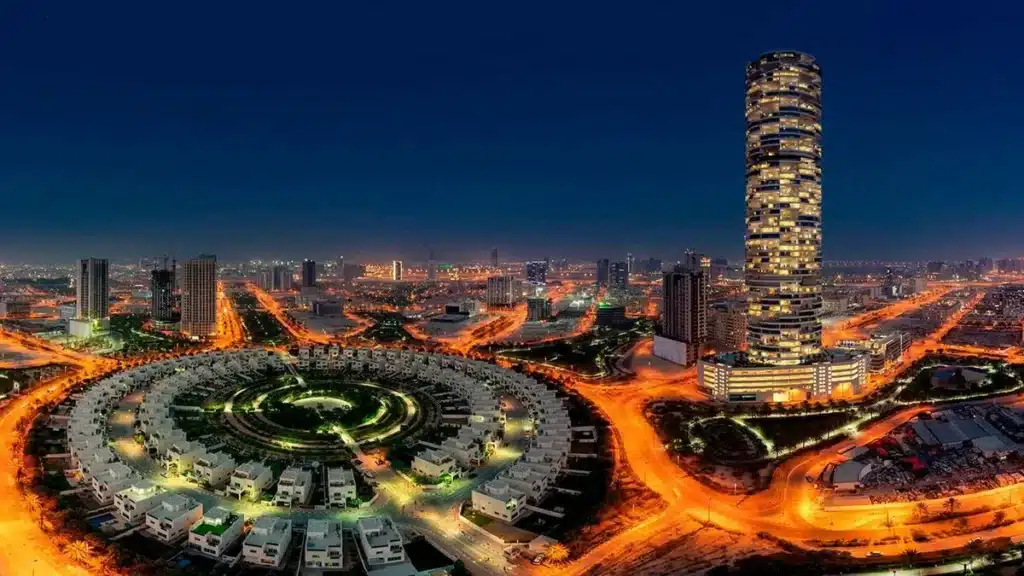
For those targeting high rental yields and quick sales turnover, JVC has become a star performer. Jumeirah Village Circle, located along the Al Khail Road corridor, is known for its affordable apartments and townhouses that offer great value for money. Despite being on the more affordable end, JVC leads the city in transaction volume, as noted, it had the highest number of apartment sales in recent months. The community’s appeal lies in a combination of reasonable price per square foot (~AED 1,280 for apartments) and strong rental demand, especially from young professionals and small families. In 2024, JVC’s rental rates jumped over 16%, and investors enjoyed rental yields ranging from roughly 7% to 10% (even upwards of 14% in some cases for smaller flats). These are among the highest yields in Dubai, making JVC extremely attractive for income-focused buyers. Off-plan projects in JVC are plentiful – numerous mid-rise buildings and new villas are being launched to keep up with demand. The community is continually improving, with more parks and retail centers coming online, which further boosts its livability. For 2025, JVC remains a “sweet spot” – it’s an off-plan hotspot where entry prices are relatively low, but the scope for rental income and capital growth is high, thanks to the constant influx of residents seeking affordable housing.
Dubai Creek Harbour
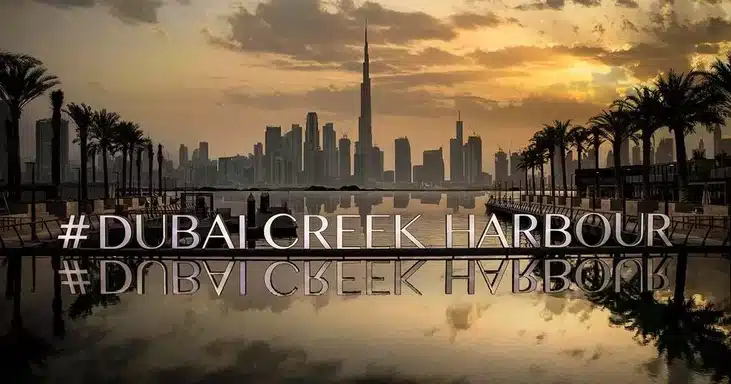
Dubai Creek Harbour is often touted as “the new Downtown” in the making – a massive waterfront development on Dubai Creek featuring what will eventually be one of the world’s tallest towers (Creek Tower). For investors, Creek Harbour offers a chance to get in on a flagship master-planned community being developed by Emaar. Off-plan launches here (mainly apartment towers) have been very popular with both local and international buyers. The setting – by the creek with views of Downtown’s skyline in the distance – and the promise of iconic attractions give it a unique allure. In 2024 and into 2025, Creek Harbour has seen robust sales, contributing significantly to overall off-plan activity (it’s listed among the top-selling communities). Transactions in this area are part of the reason the Al Khail Road corridor (including Creek Harbour, JVC, etc.) accounted for 55% of Dubai’s total transactions in early 2025. Investors can find mid- to high-end apartments here, often at prices per square foot lower than those in Downtown or Dubai Marina, making it relatively attractive due to its potential. As the infrastructure (like Creek Marina, retail districts, and wildlife sanctuary) fully comes together, capital appreciation is expected. For those with a medium to long-term horizon, Dubai Creek Harbour’s off-plan opportunities in 2025 are among the most promising.
(Other notable areas: Downtown Dubai – still highly sought for prestige and new ultra-luxury projects; Palm Jumeirah – limited off-plan supply, but ultra-prime offerings continue to set price records; Dubai Hills Estate – a family favorite master community with high transaction volumes and solid appreciation; Damac Lagoons – an outlying villa community that saw 3,000+ off-plan sales in 2024 with an average AED 1,577 per sq ft, indicating demand for suburban themed developments. Dubai’s diversity means investors can choose from urban apartments to golf course villas, depending on strategy.)
Different segments of the market are thriving, from luxury waterfront living to affordable suburban communities. What they share is a strong interest from investors. Recent rankings of top-performing areas include a mix of locations such as Business Bay, Dubai Creek Harbour, Dubailand (including The Valley), Damac Hills 2, and Emaar South (Dubai South), demonstrating that both city-center and peripheral master-planned areas are in high demand. The key is to match your investment goals with the right location: high-end areas for capital appreciation and prestige or emerging areas for rental yield and growth potential.
Developer Activity and Government Initiatives
Dubai’s developers and government bodies play a pivotal role in shaping the real estate outlook. In 2025, their actions are instilling even more confidence in the market:
Robust Developer Activity: Major developers, including Emaar, Dubai Properties, Nakheel, and Damac, have been launching projects at a remarkable pace to meet demand. As noted earlier, over 30,000 new units were launched in Q1 2025 alone – a testament to developer optimism. These include everything from luxury villas (e.g., new phases in Arabian Ranches, Tilal Al Ghaf) to entire new communities. Two headline projects underway are Emaar’s “The Oasis” and Damac’s new island development, which promise to “change the face of the city” with large-scale luxury communities combining homes, leisure, and greenery. Such projects underscore an important trend: developers are now focused on integrated lifestyle destinations (with infrastructure, amenities, and even workspace) rather than stand-alone towers.
Additionally, developers are innovating in financing to maintain brisk sales. Many offer post-handover payment plans or attractive financing schemes (sometimes as low as 50% payable during construction, with the rest due after completion) to widen the buyer pool. This was highlighted by Fitch, who noted an expectation that developers might ease pre-sale payment requirements (e.g., from 70% during construction down to 50%) as competition intensifies. We’re also seeing a trend of joint ventures and partnerships – for example, foreign developers entering Dubai or local developers teaming up to co-develop large plots. All of this adds to the market’s inventory and variety, giving investors plenty of choice.
Government Initiatives: The UAE government and Dubai authorities have been extremely proactive in bolstering real estate growth. Key initiatives impacting the 2025 market include:
- Visa Reforms: Long-term residence visas (5-year and 10-year Golden Visas) for property investors have been a game-changer. Investors who purchase properties above certain values (around AED 2 million for a 10-year visa, at present) become eligible for residency. This has attracted a wave of foreign buyers seeking a safe second home or base in Dubai. According to Arabian Business, Dubai’s appeal for high-net-worth individuals is bolstered by the Golden Visa program and ease of doing business.
- Foreign Ownership & Business Environment: Policies now allow 100% foreign business ownership in most sectors and freehold property ownership for expatriates in a wide range of areas. The government has steadily increased the number of freehold zones since the early 2000s, and today, expats can buy property (and land, in some cases) in many parts of Dubai with full ownership rights. A tax-free environment (no property tax, no capital gains tax) further amplifies returns for investors.
- Infrastructure Development: Dubai’s continuous investment in infrastructure makes new areas viable. The extension of the Dubai Metro to the Expo 2020 site, new highways, and upcoming public transport lines mean places like Dubai South and Dubailand are now well-connected. The 2040 Urban Master Plan ensures that development is structured, creating self-sustaining hubs with business districts, residential zones, and leisure attractions throughout the city. Better connectivity and planning increase the desirability of off-plan projects in emerging locations.
- Regulatory Oversight: To maintain confidence, Dubai’s Real Estate Regulatory Agency (RERA) and the Land Department enforce regulations like escrow accounts for off-plan developments (safeguarding buyers’ money) and project completion timelines. There’s also been a crackdown on speculative flipping of land and off-plan units – major master developers have put covenants to prevent quick re-selling of plots before completion. These measures prevent overheating and promote more sustainable growth, thereby protecting genuine investors.
- Economic and Tourism Initiatives: The government’s success in other areas also contributes to the real estate sector. Expo 2020 (which concluded in 2022) put Dubai on a world stage, and its legacy is drawing businesses and tourists. Upcoming global events and a thriving tourism sector (boosting short-term rentals) add to real estate demand. Plus, broader economic diversification (into tech, finance, and green energy) is bringing new expatriates in, who ultimately drive housing demand.
In summary, the synergy of developer enthusiasm and government support forms a strong backbone for the property market. Dubai’s leadership actively promotes the city as a top destination to live, work, and invest, and the fruits of those efforts are evident in the property sector’s performance. From streamlining investment processes to enhancing a high-quality urban environment, these initiatives have a significant impact on investor confidence. 2025 is seeing the payoff: record investment inflows, a 19% rise in transaction volume in early 2025, and Dubai ranking among the world’s top cities for property investment and foreign direct investment in real estate.
Investor Demographics and Demand Drivers
Dubai’s real estate boom is truly international. A diverse global investor base is fueling the market, and understanding who is buying sheds light on current trends. In 2024 and into 2025, investors from around the world have been active, but a few nationalities stand out:
Top Buyer Nationalities (2024)% of Transactions:
- Indian investors ~20%
- British investors ~12%
- Pakistani investors ~10%
- Chinese investors ~8%
- French investors ~7%
Table: Top 5 nationalities investing in Dubai real estate (2024). These groups collectively account for more than half of all transactions.
Indians have long been the leading investors in Dubai’s property market, drawn by cultural ties and attractive returns. They prefer both luxury addresses (e.g., villas in Downtown, waterfront homes in Marina) and high-yield areas. British investors surged in 2024 – in fact, one report noted they overtook Indians in transaction volume, highlighting Dubai’s appeal to Western buyers. Overall, six of the top ten investing nationalities in 2024 were from Western countries (the UK, various European nations, and North America), which is a testament to Dubai’s global magnetism. Investors from Pakistan, China, France, Russia, the USA, and GCC countries are also very active, each motivated by a mix of profit and lifestyle factors.
The reasons behind this international interest are straightforward but powerful:
- High Yields and Strong ROI: Compared to many mature markets, Dubai offers higher rental yields (often 5-8% net in prime locations) and no taxation on rental income, making it a compelling financial case. Areas like Dubai Marina and Downtown have some of the highest rental yields globally (6-8% annually). Combined with the possibility of capital appreciation, the total returns beat what investors might get at home.
- Safe Haven & Lifestyle: Dubai’s reputation as a safe, modern city with excellent quality of life attracts those looking to relocate or have a second home. The city’s handling of the pandemic and quick economic recovery enhanced its safe-haven status. Wealthy individuals are also lured by Dubai’s luxury lifestyle – from beaches to fine dining – and relatively liberal environment in the region.
- Forex and Economic Stability: Many investors come from countries with currency fluctuations or limited investment options. Dubai, with the AED pegged to the USD, offers currency stability. Its economy is diversified and backed by substantial reserves, giving confidence that its investment is secure in the long run.
- Ease of Investment: The procedural ease (fast transaction processes, strong property rights, digital transaction platforms) and the aforementioned residency visas and business-friendly policies make investing straightforward. The city has also improved transparency and data availability, ranking it higher on global real estate transparency indices, which reassures institutional investors.
This influx of foreign investment has been a significant driver of demand, particularly in the luxury segment. For example, ultra-prime villa communities saw record purchases by overseas buyers (villas in areas like Palm Jumeirah and Emirates Hills are often snapped up by international millionaires). At the same time, the growing expatriate population of professionals in Dubai is driving demand for mid-range housing. Many expats who plan to stay long-term are choosing to buy off-plan homes (helped by friendly mortgage terms and developer payment plans) rather than paying ever-increasing rents.
Lastly, Dubai’s unique position – straddling time zones and serving as a travel hub – means it attracts investors from everywhere, including hedge fund managers in London, tech entrepreneurs from Mumbai, and millionaires from Lagos. This global demand not only supports prices but also adds resilience: if one group slows down due to economic issues back home, another often rises (for instance, when the Russian ruble fell in 2022-2023, more Russian buyers moved cash into Dubai property). For 2025, this diversified demand is expected to continue, keeping the market buoyant even if economic headwinds emerge elsewhere.
Conclusion: Navigating 2025’s Market and Next Steps
Dubai’s real estate market in 2025 offers a compelling mix of high growth and maturing stability. On one hand, the city is shattering records – from all-time-high sales values to off-plan dominance – signaling an investor’s paradise of opportunities. On the other hand, there is a sense of a market that’s evolving thoughtfully – with government oversight, sustainable development, and a broadening base of end-users ensuring that growth is sustainable. For investors, this means that now is an exciting time to engage with off-plan investments in Dubai, as well as the wider property sector, but it’s crucial to do so with an informed strategy.
Here are a few parting insights for navigating the 2025 market:
- Do Your Homework: With so much new supply coming, choose developments by reputable developers in locations with proven demand. Not every project will perform equally. Look at track records, construction progress, and unique selling points of each project.
- Consider Your Investment Goal: Are you aiming for rental income, long-term appreciation, or a future home in Dubai? For rental yield, areas like JVC or portions of Dubai South might be ideal. For pure appreciation, a luxury off-plan Downtown or a waterfront property could pay off as Dubai climbs the global city ranks.
- Leverage Market Expertise: This is where partnering with the right real estate professionals makes a difference. MBR Properties (mbrproperties.ae) is one such expert brokerage that can guide investors through the intricacies of Dubai’s market. With deep knowledge of local trends and project offerings, MBR Properties helps you identify high-potential opportunities and avoid pitfalls. Whether you need insights on payment plan negotiations, the Dubai property forecast 2025 for a specific area, or comparative data on different projects, their team can provide honest, data-driven advice.
Ready to explore Dubai’s thriving real estate opportunities? Now is the time. Get in touch with MBR Properties – our experienced advisors will help you navigate the market, from selecting the best areas to invest in Dubai off-plan to handling paperwork seamlessly. With a finger on the pulse of 2025’s trends and a commitment to our client’s success, MBR Properties is here to turn your investment goals into reality. Contact us today to capitalize on Dubai’s real estate momentum and secure your stake in this dynamic market. Together, let’s make your investment in Dubai a prosperous and rewarding journey.