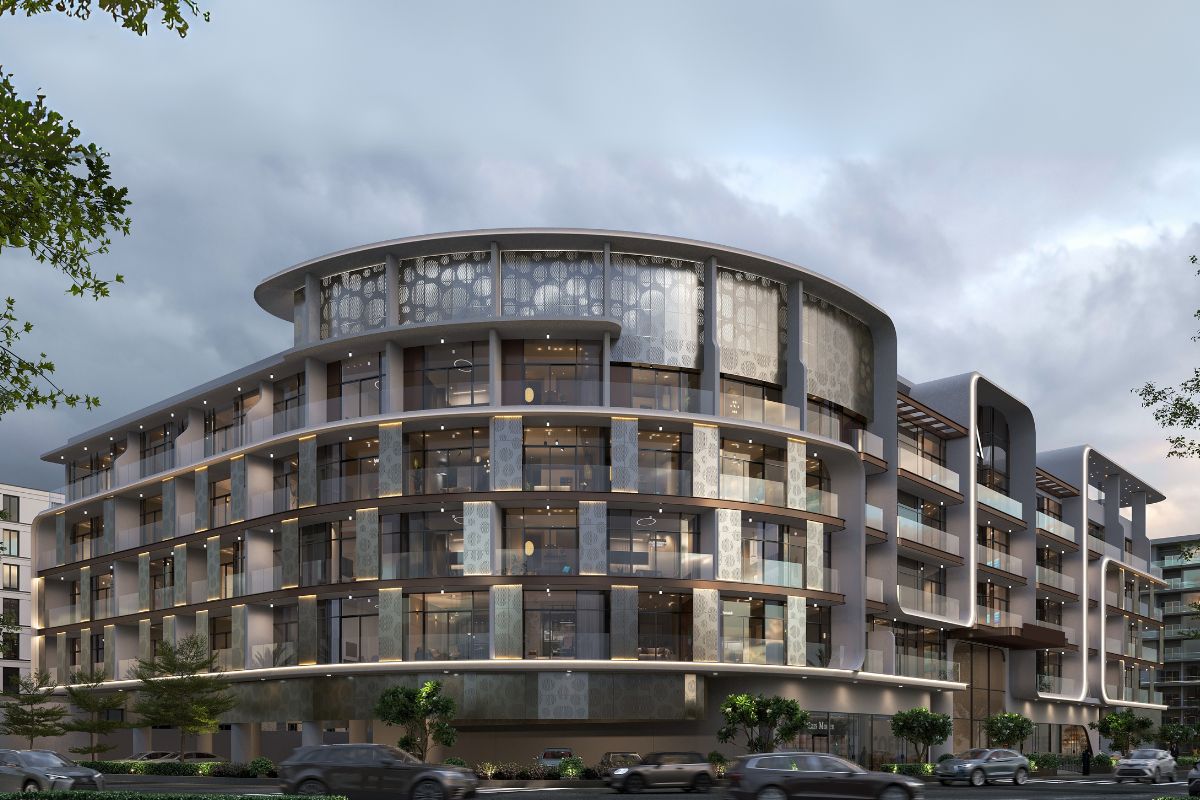
When you purchase property off-plan, you are making a financial commitment today for an asset you will not physically occupy or control for months or years into the future. This gap between purchase and possession creates both opportunities and uncertainties that shape how you should think about the investment. Understanding the timeline from initial purchase through construction phases to final handover helps you plan your finances properly, manage your expectations realistically, and prepare for the transition from buyer to owner. This article examines what the Q1 2027 delivery date means practically, how construction progresses toward that completion target, and why this specific timing creates advantages for buyers entering the market now.
Before we explore the timeline details, it helps to understand how this delivery schedule fits within the broader context of what makes Serene an attractive opportunity. The [Serene by Al Mizan Dubai South: Complete Guide to Semi-Furnished Apartments Starting at AED 700K] article provides that comprehensive overview, covering everything from unit options to location advantages to payment structures. Think of that piece as showing you the complete picture of this development, while this current guide focuses specifically on the temporal dimension of your investment and what happens between now and the moment you receive your keys.
Understanding What Q1 2027 Completion Actually Means
When developers announce completion dates, they are committing to having the building structurally complete, all units finished to the promised specifications, and all common areas functional by that target period. The Q1 2027 timeframe means Al Mizan plans to deliver finished apartments ready for handover sometime between January and March of 2027. This gives you roughly two years from now to prepare financially, arrange your living situation, and plan for the transition to property ownership.
This timeline is neither unusually long nor remarkably short by Dubai real estate standards. Projects announced today with 2027 delivery dates typically already have their foundations laid or their structural work underway, meaning they have moved past the highest-risk phases of construction where delays most commonly occur. When you buy into a project at this stage, you are investing in something that has visible physical progress rather than just architectural renderings and promises. This reduces uncertainty compared to projects selling in very early stages before significant construction has commenced.
The specific choice of Q1 2027 also aligns strategically with Dubai South’s broader infrastructure development timeline. By early 2027, many of the district’s major infrastructure projects will have completed or reached advanced stages, meaning residents moving into Serene will experience Dubai South as an increasingly mature, functional community rather than an area still dominated by construction activity and incomplete services. This timing positions you to benefit from improved conditions without having paid the premium pricing that will likely prevail once the area’s transformation becomes fully evident to the broader market.
Think about what this timeline means for different buyer types. If you are currently renting elsewhere in Dubai, you have two years to wind down your current lease arrangements, accumulate additional savings if needed, and prepare for the logistics of moving. If you are an investor planning to rent the property immediately upon completion, you have two years to research the rental market, identify property management companies, and develop a strategy for finding quality tenants quickly. If you are currently living abroad but planning to relocate to Dubai, this timeline gives you substantial lead time to arrange work permits, prepare for the move, and familiarize yourself with the city before actually taking possession of your property.

How Construction Phases Align with Payment Milestones
The beauty of how Al Mizan has structured the payment plan becomes particularly clear when you examine how payment obligations align with construction progress. The forty-sixty split is not arbitrary. It reflects a payment rhythm designed to match the natural progression of building construction while protecting both the buyer’s interests and the developer’s cash flow needs. Let me walk you through how this typically works so you understand what you are actually paying for at each stage.
During the construction phase leading up to completion, your payments generally tie to specific construction milestones rather than arbitrary calendar dates. This might include payments at foundation completion, at structural completion of certain floors, at external facade completion, and at internal finishing stages. The exact milestone structure varies by developer, but the principle remains constant. You pay as the building progresses, which means your money enters the project at points where you can see tangible physical progress, justifying those payments.
This milestone-based approach protects buyers because it ensures the developer cannot simply collect all the money upfront and then drag construction out indefinitely. The developer needs to demonstrate progress to trigger the next payment, creating natural accountability. It also helps buyers psychologically because each payment corresponds to visible construction advancement, making the eventual completion feel more real and tangible rather than just a distant promise.
The forty percent you pay during construction covers roughly the developer’s hard costs of actually building the structure, while the sixty percent due at completion provides the developer’s profit margin and covers finishing costs that occur late in construction. From your perspective as a buyer, this structure means you are spreading your financial commitment over time rather than needing the full purchase price available immediately. The [Al Mizan Developer Payment Plan Breakdown: 40/60 Financing for Serene Dubai South Apartments] article explores this payment structure in comprehensive detail, explaining exactly when payments become due, what triggers each payment milestone, and how to plan your finances around these obligations.
Understanding this payment timeline helps you make strategic decisions about how to fund your purchase. Some buyers accumulate the entire purchase price in savings before buying, then simply pay the installments from those reserves. Others plan to use mortgage financing for the sixty percent completion payment, which means they spend the construction period building the forty percent in savings while simultaneously preparing mortgage applications and securing financing approvals for the remaining amount. Still others might have the forty percent available now but plan to accumulate the sixty percent through continued savings during the construction period, avoiding mortgage costs entirely if their income supports that approach.
What Buyers Can Expect Upon Handover
The handover process represents the culmination of your journey from buyer to owner, and understanding what to expect during this phase helps you prepare properly rather than feeling surprised or overwhelmed. When Q1 2027 arrives, and Al Mizan announces that units are ready for handover, a structured process begins that typically unfolds over several weeks as individual buyers complete their transactions.
The developer will notify you that your specific unit has passed all inspections and is ready for handover. This notification typically comes with a defined window during which you need to complete your final payment obligations and collect your keys. The timing is not usually “you must come this exact day” but rather “your unit is ready, please complete the process within the next thirty days” or similar reasonable timeframes that accommodate buyers’ schedules and logistical requirements.
Before actual handover occurs, you typically participate in what’s called a snagging inspection, where you walk through your unit with the developer’s representatives to identify any minor finishing issues, defects, or items not completed to specification. This might include things like paint touch-ups needed, minor fixture adjustments, or any discrepancies between what was promised and what was delivered. The developer creates a list of these items and commits to rectifying them within specific timeframes. This process protects you by ensuring the unit meets agreed specifications before you take legal ownership.
Once the snagging inspection is complete and you have verified that no major issues exist, you complete your final payment obligation, which is sixty percent of the purchase price we have discussed. Most buyers arrange mortgage financing for this amount if they have not accumulated it in savings, though some pay cash if they have the resources. Upon receipt of this final payment, the developer transfers the property title to your name through the Dubai Land Department, provides you with all relevant documentation, and hands over the keys to your new property.
What you receive at this point is a semi-furnished apartment ready for immediate occupancy. Let me explain what this actually means in practical terms because “semi-furnished” can mean different things in different markets. At Serene, the semi-furnished specification includes fully installed and fitted kitchens with cabinetry, countertops, and essential appliances already in place. The bathrooms come completely fitted with all fixtures, tiles, and fittings installed and functional. Built-in wardrobes in the bedrooms provide storage without requiring you to purchase large furniture pieces. Flooring throughout the unit is complete, lighting fixtures are installed, and climate control systems are operational.
What this specification does not typically include are items like movable furniture such as sofas, beds, dining tables, or decorative elements like curtains, artwork, or accessories. You need to furnish these elements yourself, but the major fixed elements that are expensive and time-consuming to install are already complete. This semi-furnished approach strikes a balance between move-in convenience and personalization flexibility. You avoid the massive expense and hassle of kitchen and bathroom installation while retaining the freedom to choose furniture and decor that reflects your personal taste.
For different unit types, this handover experience varies slightly in scale but not in fundamental nature. Whether you are receiving a studio or a three-bedroom apartment, the same semi-furnished standard applies proportionally to the unit size. The [Studio to 3-Bedroom Options: Al Mizan’s Serene Dubai South Floor Plans and Pricing Guide] article examines what each unit type includes specifically, helping you understand exactly what you will receive when you take ownership of your particular property.
Strategic Timing Considerations for Different Buyer Types
The Q1 2027 delivery date creates different strategic implications depending on whether you are buying as an end user planning to live in the property yourself or as an investor planning to generate rental income. Understanding these different strategic contexts helps you make decisions that align with your specific goals rather than following generic advice that might not suit your situation.
If you are an end user, the two-year timeline to completion provides valuable breathing room to arrange your current living situation strategically. Perhaps you are currently renting under a lease that expires in twelve months. Rather than renewing for another full year, you might negotiate a shorter-term renewal or extension that aligns more closely with your Serene handover date, avoiding the complication of breaking a lease early or paying for overlap periods where you are simultaneously paying rent and owning property you are not yet occupying.
The timeline also allows you to approach the furnishing and preparation process methodically rather than frantically. You can purchase furniture gradually as you find pieces you genuinely like, rather than making hasty decisions under pressure. You can plan any additional customization or personalization you want to implement after taking possession. You can research service providers like internet installation, utilities setup, and other practical matters well in advance, rather than scrambling at the last minute.
For investors, the Q1 2027 timeline means you should begin developing your rental strategy well before handover occurs. The rental market in Dubai South will look different in early 2027 than it does today as more projects are completed and more residents move into the area. You want to understand what rental rates similar properties are achieving, what tenant profiles are seeking accommodation in the area, and what property management companies have established strong reputations for handling rentals professionally.
Smart investors often begin marketing their properties for rent several months before actual handover, using architectural renderings and floor plans to attract tenants who are themselves planning moves several months ahead. This advanced marketing can result in having a tenant ready to move in immediately upon handover, avoiding any vacancy period where you own the property but are not collecting rent. The difference between having a tenant on day one versus spending three months searching for a tenant represents significant money that advance planning can preserve.
The completion timing also intersects with broader Dubai real estate market cycles in ways that affect your investment returns. By 2027, many of the projects announced during Dubai’s recent real estate surge will have delivered, potentially creating temporary oversupply in certain segments that affect rental rates and resale values. Alternatively, if demand continues growing faster than supply delivers, 2027 might represent a strong market where your new property immediately finds tenants or buyers at favorable rates. While nobody can predict market conditions perfectly, understanding that these broader market dynamics exist helps you prepare flexible strategies rather than assuming one specific outcome will definitely occur.

Preparing for Property Ownership During the Construction Period
The months between purchase and handover represent a valuable preparation period that smart buyers use strategically rather than simply waiting passively. Let me suggest several productive ways to use this time that will make your eventual ownership experience smoother and more successful.
First, educate yourself thoroughly about property ownership responsibilities in Dubai if you are a first-time owner or new to the emirate. This includes understanding service charge obligations, community rules, maintenance responsibilities, and the various regulatory and administrative requirements that property ownership entails. Dubai has very clear frameworks for these matters, but they differ from other markets you might have experience with, so investing time to understand the local context prevents surprises later.
Second, develop relationships with service providers you will need once you take ownership. This includes property management companies if you are an investor, insurance providers who can cover your property adequately, and maintenance contractors who can handle any issues that arise. Establishing these relationships before you urgently need them means you make considered choices based on research rather than hasty decisions under pressure when something breaks or requires attention.
Third, monitor construction progress if Al Mizan provides access to the site or regular updates. Many developers now offer virtual tours or regular photo updates showing construction advancement, which helps buyers feel connected to their investment and provides an early warning if any concerning delays or issues emerge. While you cannot directly control construction progress, staying informed helps you adjust your own planning if timelines shift.
Fourth, continue building your financial reserves beyond just the payment obligations. Unexpected expenses often arise during the handover and early ownership period, from snagging items the developer does not fully rectify to furniture costs exceeding initial estimates to early maintenance needs. Having an additional financial cushion beyond your minimum required payments reduces stress and prevents these normal expenses from becoming financial emergencies.
Understanding the timeline from purchase to possession helps you approach off-plan property buying as a structured process rather than a single transaction. The Q1 2027 completion date is not just an abstract future point but rather a target around which you can build concrete plans and preparations that position you for success as a property owner.
To discuss your specific situation and receive personalized guidance on how to navigate the timeline from purchase through to handover, contact our experienced property consultants who have guided numerous buyers through this process successfully. Call (+971) 52 341 7272 or email [email protected] to arrange a consultation where you can ask detailed questions about timelines, payment schedules, and handover procedures. Fill out the form on our website, prelaunch.a,e to receive regular updates on construction progress and important timeline milestones that affect your purchase.