Dubai’s property market perfectly blends luxury and functionality, making it a top choice for expatriates seeking a high quality of life. By 2025, this dynamic market will continue to attract global investors and residents with its iconic skyscrapers, waterfront mansions, and family-friendly communities. Expats benefit from a cosmopolitan lifestyle, excellent infrastructure, and friendly regulations, all while enjoying a safe, tax-free environment. In this article, we explore the key trends and advantages of Dubai real estate for expats and how seasoned agencies like MBR Properties can help you find your perfect home or investment.
Why Dubai Appeals to Expats
Dubai’s real estate market is uniquely expat-friendly. First, foreigners can fully own property in designated freehold zones. About 50 areas in Dubai allow expats to buy with full land rights, while other zones offer long-term leaseholds (50–99 years). Combined with no annual property or rental taxes and no capital gains tax, this makes ownership cost-effective. Investing in property over AED 2 million even qualifies the buyer for a renewable 10-year UAE Golden Visa, further adding to Dubai’s appeal for global investors.
- Financial Advantages: Dubai’s economy is strong and stable. The UAE dirham is pegged to the US dollar, which keeps exchange-rate risks low. The emirate’s GDP grew about 6.2% in 2022, driven by tourism, trade, and construction. This growth is backed by grand plans like the Dubai 2040 Urban Plan and ongoing infrastructure projects, ensuring demand for housing remains high.
- High Rental Yields: Expats who invest can earn attractive returns. Dubai’s gross rental yields are often well above global averages. For example, Downtown Dubai studios yield ~8.4%, and Palm Jumeirah studios ~8.7%. Overall, rental yields average around 6–10%, which is often higher than in other major cities. (A one-bedroom in Downtown can net around AED 80,000/year.)
- Safe, Modern Living: Dubai is one of the Middle East’s safest and most stable cities. It has made the MENA region’s most transparent real estate market and ranks high on global safety indices. The crime rate is low, and strict building codes and regulations (e.g., by RERA) protect buyers. Expats also enjoy world-class facilities: a network of international schools, modern hospitals, and efficient public transport (the Dubai Metro now spans over 90 km). This infrastructure not only improves daily life but also boosts property values.
- Vibrant, Multicultural Environment: Roughly 89% of Dubai’s residents are expats. This diversity creates a lively social scene: you’ll find global cuisine, cultural festivals (like Art Dubai and the Shopping Festival), and communities from every corner of the world. Many neighborhoods cater to families with ample parks, malls, and entertainment. This high expat demand drives a dynamic rental market, especially in areas near schools and amenities.
In short, financial incentives and lifestyle factors make Dubai a magnet for expatriates. From a practical standpoint, no property tax, a strong currency, and special residency privileges meet the needs of savvy investors and families alike. Meanwhile, the city’s dazzling skyline and luxury developments satisfy the desire for premium living.
Luxury Communities and Iconic Neighborhoods
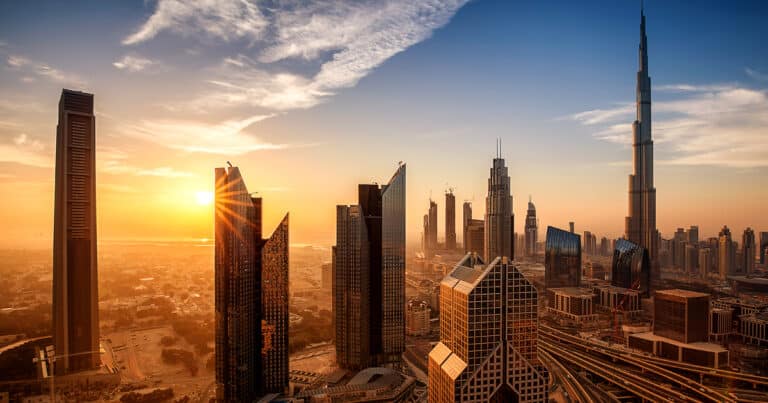
Dubai’s skyline is defined by its luxury real estate projects, and expats have many high-end options. Whether you seek a beachfront villa, a penthouse with city views, or a modern apartment by the water, there’s something for every taste:
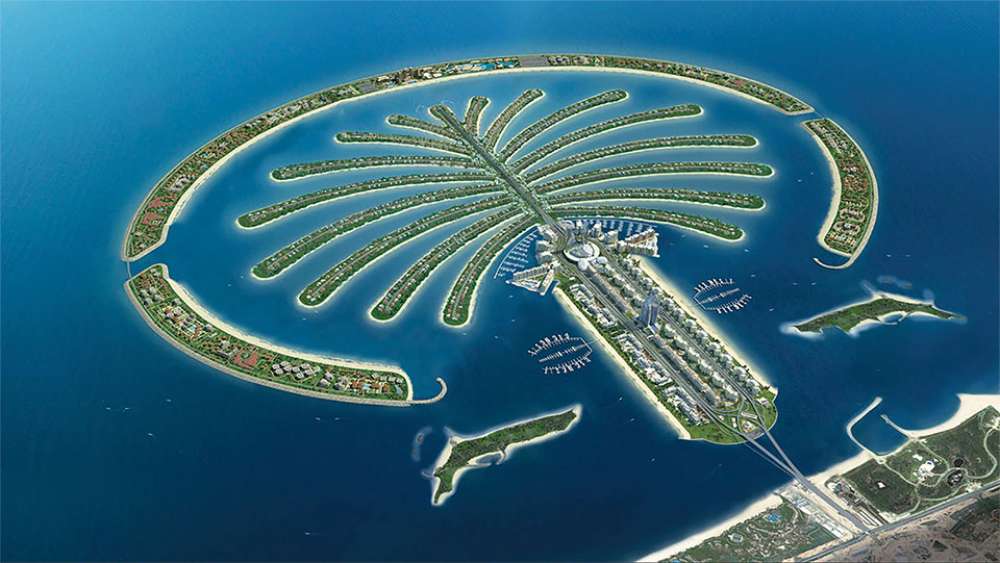
- Palm Jumeirah (Villas): This palm-tree-shaped island is synonymous with opulence. It features sprawling beachfront villas and mansions with private pools and marinas. Properties here command top dollar and are favored by HNWIs; demand remains strong even as new supply comes. (Palm is still considered a prime location that mitigates price pressure.)
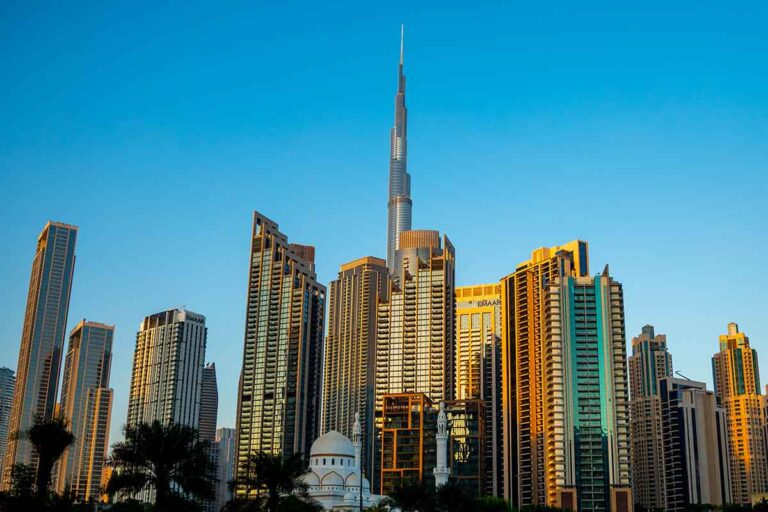
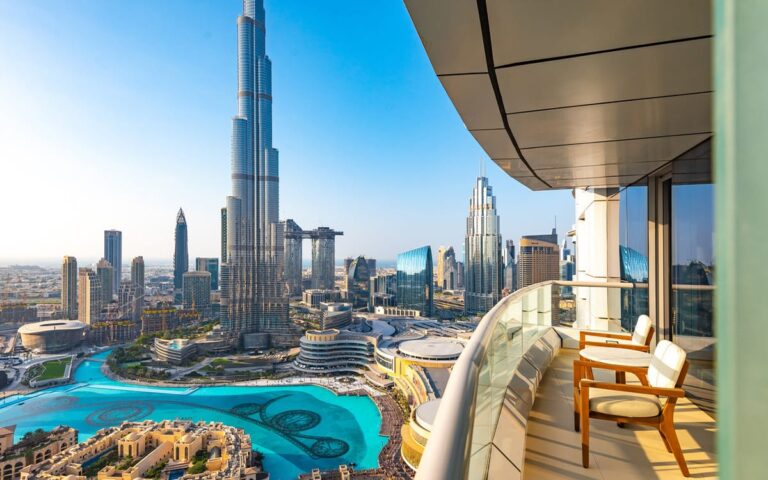
- Downtown Dubai (Apartments): Home to Burj Khalifa and The Dubai Mall, Downtown offers ultra-modern high-rise apartments and penthouses. Many units boast panoramic city and fountain views. According to market reports, prices in Downtown have surged up to 12% year-on-year due to its global prestige. In fact, the priciest home sold in 2024 was a Downtown penthouse at AED 125 million.
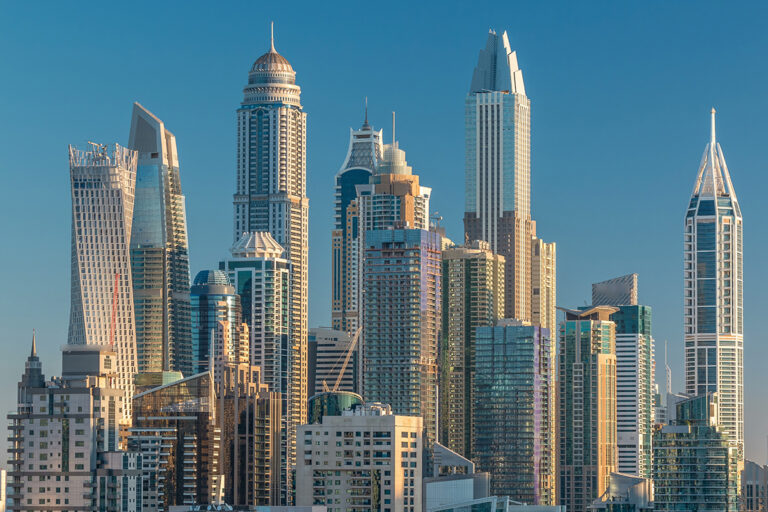
- Dubai Marina & JBR (Waterfront Towers): This man-made canal and beach district features hundreds of tower apartments and is popular among young professionals and renters. Marina’s waterfront lifestyle (yacht clubs, cafes, the Marina Walk) is both luxurious and practical. Rental yields here are solid (~5–6% for 2–3 bedroom units) and the area has a vibrant expat scene. New projects like La Sirene at Port de La Mer add exclusive waterfront living.
New luxury developments line Dubai’s canals and landscaped communities. Areas like Palm Jumeirah (shown) and Dubai Hills Estate offer resort-style villas and townhouses ideal for expat families.
- Business Bay & DIFC (Uptown Living): Adjacent to Downtown along the Dubai Water Canal, Business Bay offers sleek apartment towers and offices. Its central location appeals to corporate expats. The nearby Dubai International Financial Centre (DIFC) also features high-end condos and serviced apartments. Demand here is fueled by professionals who work in the city’s finance and media sectors.
- Popular Villa Communities: For families who prefer more space, communities like Arabian Ranches, Emirates Hills, Jumeirah Village Circle (JVC), and Dubai Silicon Oasis (DSO) are top choices. These gated neighborhoods offer villas and townhouses, parks, and schools. Rentals in JVC and Silicon Oasis are particularly affordable, which has driven growth in these mid-market areas.
- Upcoming Luxury Districts: Dubai keeps innovating. New masterplans like Mohammed Bin Rashid City (MBR City) and Dubai Creek Harbour are slated to become the next luxury hubs. They promise branded residences, villas, and amenities akin to global cities. Expats should watch these for off-plan deals; launches here may later yield strong appreciation.
Dubai Marina’s skyline at dusk. Waterfront districts like Marina and Business Bay blend luxury living with convenience. As of 2025, Dubai Marina apartments remain in high demand, with stable prices and solid rental yields.

In summary, whether it’s Downtown Dubai penthouses, villas in Emirates Hills, or Palm Jumeirah mansions, Dubai’s premium neighborhoods offer diverse luxury options. Recent trends show brisk activity: Knight Frank reported that luxury property transactions jumped ~30% in early 2024, and CBRE noted ~12% price gains in prime areas like Downtown and Palm. These figures underline that global demand for Dubai’s luxury real estate continues to climb.
Practical Market Facts and Investor Benefits
Beyond glamour, Dubai’s real estate laws and market dynamics are built for practicality and transparency. Some key points:
- Freehold vs Leasehold: Foreigners can purchase freehold property outright in designated areas. This means full ownership without local partners. In non-freehold zones, expats often buy on long leaseholds (50–99 years). The clarity of these rules makes it easy to understand one’s rights.
- Tax Advantages: Dubai levies no income tax on rent, no annual property tax, and no capital gains tax on resale. Only a small 4% transfer fee (split between buyer and seller) and a minor municipal “housing fee” apply. This tax-free environment significantly boosts net returns for investors. For example, analysts note that an expat’s net rental yield in Dubai often outpaces comparable investments in London or New York.
- Golden Visa Eligibility: A practical perk: any expat who buys property worth at least AED 2 million qualifies for a 10-year Golden Visa. This recent initiative rewards long-term property investment and makes settling in the UAE easier for wealthy buyers.
- Stable Economic Backdrop: Dubai’s multi-sector economy (tourism, trade, logistics, fintech) provides resilience. Government stimulus (Expo 2020 legacy projects, new free zones, visa reforms) continually attracts global business. The UAE Dirham’s dollar peg keeps borrowing costs predictable. Even as global interest rates rose, Dubai’s market weathered it thanks to strong local demand. Expats benefit from this stability in the form of steady property values and reliable rental income.
- Transparent and Regulated: Dubai’s Real Estate Regulatory Agency (RERA) enforces strict rules to protect buyers. Developers must escrow down-payments, and off-plan projects have regulatory oversight. In 2023, the International Monetary Fund called the UAE’s real estate market one of the most transparent in the Middle East. This safeguards expat investors from fraud and shady deals.
- High Liquidity: Dubai sees hundreds of billionsof AED in real estate transactions annually. In 2024 alone, property transactions topped AED 761 billion – a 36% jump in volume. This means it’s relatively easy to buy and sell, even in luxury segments. For expats, that translates to confidence they can exit investments or move within the market without major delays.
To sum up this section, owning property in Dubai is straightforward and investor-friendly. Low taxes, stable currency, and clear ownership laws remove many hassles foreigners face elsewhere. Combined with a fast-growing market, these factors allow expats to treat Dubai property as both a home and an asset. The result is a market where luxury meets practicality: you enjoy high-end amenities without burdensome bureaucracy or hidden costs.
2025 Market Outlook: Growth and Caution
What does 2025 hold for Dubai real estate? Overall, experts expect continued momentum, especially at the high end, but with some moderation:
- Recent Boom: Between 2022 and 2024, Dubai saw a major upswing. Prime waterfront homes and villas rallied thanks to pent-up demand, Expo-inspired growth, and the Golden Visa draw. In fact, prices in luxury segments (Downtown, Palm, Marina) grew by double digits year-over-year during this boom. This run-up, however, led analysts to warn of a possible cooldown.
- Supply Surge: A flood of new units is scheduled for delivery in 2025–2026 (around 210,000 homes). Rating agency Fitch cautions that this could pressure prices, potentially causing up to a ~15% correction in 2025–26. This followed an astonishing ~60% price jump in a few years, so a pullback (especially in non-luxury segments) would not be surprising.
- Balanced Growth: Industry forecasts strike a more optimistic tone. JLL MENA predicts a moderate 4–6% price increase for prime waterfront and luxury properties in 2025. Knight Frank agrees, projecting the strongest gains in the ultra-prime segment, while expecting stabilization in mid-tier housing. A Dubai property review concludes that luxury and waterfront areas should see further rises, whereas mid-market neighborhoods may simply plateau or correct slightly. In other words, expat investors buying top-end real estate can expect appreciation, while those targeting mainstream apartments should plan for a steadier market.
- Rental Market: Rents are on the upswing. Thanks to high tourist and expat inflows, 2023 saw rental rates climb significantly. Some analysts forecast another 10–15% rental increase in 2025, driven by demand outpacing vacancies. Tourist-friendly areas (Dubai Marina, Downtown, Palm) in particular will stay in high demand from short-term renters and families. This means rental yields could improve even if sale prices stabilize.
Overall, the 2025 outlook is cautiously positive. Dubai’s strong economic fundamentals and global appeal remain intact, but buyers should keep an eye on new supply. For expats, this means it’s a good time to invest smartly: prime luxury properties likely still offer upside, whereas mid-tier homes might offer bargains now. With interest rates and global uncertainties in flux, consulting local experts is wise before diving in.

Key Neighborhoods for Expats
Below is a snapshot of the most sought-after areas, emphasizing both luxury and practicality:
- Palm Jumeirah – Waterfront Villas: Ultra-luxury. Massive villas with private beach access; high-status address. Good for: Wealthy buyers and families. Downsides: High entry price, but unmatched lifestyle.
- Downtown Dubai – High-Rise Apartments: Urban luxury. Modern apartments with Burj Khalifa views. Good for: Young professionals and couples. Amenities: Malls, restaurants, concerts. Rental yields ~7–8% for studios.
- Dubai Marina & JBR – Apartments: Resort living. High-rises along the Marina canal and Jumeirah Beach Residence. Good for: Professionals and investors. Offer vibrant nightlife and beach clubs. Yields ~5–6% for 1–2 BR.
- Business Bay & DIFC – Central Towers: City-centric. Newer skyscrapers are near Downtown. Good for: Banks and media workers. Close to offices, with cafes and canal walks.
- Arabian Ranches / Emirates Hills – Villas: Suburban luxury. Gated communities with gardens and golf courses. Good for: Families wanting space. More affordable than Palm but still luxurious.
- Jumeirah Village Circle (JVC) – Townhouses / Apartments: Mid-market. Mixed-use community popular with middle-income expats. Good for: Investors seeking higher yields (7–8%+).
- Dubai South / MBR City – Off-plan Projects: Emerging. Large new developments aimed at all income levels. Good for: Early investors willing to wait on delivery. Many payment plans are available.
Each area has its own charm. Palm Jumeirah and Downtown represent the ultra-luxury end, where you’ll pay premiums for prestige. In contrast, JVC, Dubai Silicon Oasis, and parts of Dubai South offer more practical, lower-cost housing that still benefits from Dubai’s lifestyle and yields. The choice depends on budget and priorities: beachfront vs. central, villa vs. apartment, buy vs. rent.
Renting vs. Buying: What Expats Should Consider
Expats have flexibility in Dubai’s market. With no property tax, many choose to buy as an investment, but renting is also common due to the transient nature of many expats’ stay. Key points:
- Renting: Upfront costs are lower (security deposit + agency fee). You avoid mortgage interest and market risk. Dubai’s rental market is regulated (STRUT index caps increases), so rents typically rise steadily. Good for short-term stays.
- Buying: Requires down-payment and ongoing costs (service fees, but no tax). Buying can be financially smart if you plan to stay long-term or want an asset. Interest rates in the UAE tend to mirror US Fed policy; currently, they are higher than a few years ago, so some investors lock in now at lower rates if possible. Off-plan purchases allow payment in stages and often come at a discount to ready homes. Many expats use property investment as a retirement nest egg (Dubai even offers a retirement visa for property owners).
Regardless of rent vs buy, Dubai’s high rental yields and low transaction costs incentivize ownership. Reports show gross yields currently averaging around 7.5%. Even after accounting for mortgage and fees, this can outperform many savings plans. In 2025, with rents likely climbing, owning a rental property or corporate leasing it out remains an attractive income source.
MBR Properties – Your Dubai Real Estate Partner: Navigating Dubai’s market can be complex. That’s where experts like MBR Properties come in. With over 12 years’ experience in Dubai’s dynamic real estate landscape, MBR Properties offers personalized guidance for expat clients. Their team understands every neighborhood’s nuances and can match you with the right property, whether it’s a waterfront villa in Dubai Waterfront, a penthouse in Downtown, or a townhouse in an off-plan community.

MBR’s services include:
- Exclusive Access: They provide early bird access to pre-launch projects, allowing clients to secure new developments at the best prices.
- Market Expertise: MBR’s agents have deep local knowledge and negotiation skills, helping clients navigate Dubai’s legal and financial process with confidence.
- Wide Selection: From apartments and penthouses to luxury villas, MBR’s portfolio spans Dubai’s most sought-after locales. They tailor searches to your needs and budget.
- End-to-End Support: The team handles paperwork, viewings, and transactions to make the buying or renting experience stress-free. As they say, MBR is “your gateway to realizing your vision of life in Dubai”.
By working with a trusted firm like MBR Properties, expats can tap into insider deals and avoid pitfalls. Whether you are relocating for work, investing for the future, or seeking a holiday home, MBR can turn your Dubai real estate goals into reality. Visit MBR Properties to explore their listings and expert services – they will guide you step-by-step through Dubai’s luxury real estate market and beyond.
In conclusion, Dubai’s real estate market in 2025 offers an exceptional mix of glamour and logic for expats. It combines luxury amenities (beachfront villas, skyscraper apartments) with practical benefits (tax incentives, safe environment). Staying updated on market trends and partnering with knowledgeable local agents ensures you make the most of Dubai’s opportunities. Dubai remains a premier destination where expatriate dreams meet real-world value – and with experts like MBR Properties at your side, finding the perfect property is easier than ever.