While social media influencers chase flashy Dubai penthouses, serious institutional investors are quietly accumulating positions in Abu Dhabi’s most undervalued developments—properties offering 8.5% rental yields, 30% year-on-year price appreciation, and entry prices still 20-35% below comparable Dubai assets. This isn’t speculation; it’s a data-driven opportunity.
Transaction values climbed to AED 94 billion during the first nine months of 2025, representing a 43.3% jump from the same period in 2024, yet certain Abu Dhabi developments remain significantly underpriced relative to their fundamental value. Why? Because while retail investors follow TikTok trends, professional capital allocators are analyzing occupancy rates, infrastructure catalysts, and supply-demand imbalances that social media simply ignores.
This comprehensive analysis identifies the 7 most undervalued Abu Dhabi property investments for 2027, backed by transaction data, institutional research, and on-the-ground market intelligence—not influencer opinions.
Why Abu Dhabi Developments Are Undervalued: The Data Behind the Opportunity
The Market Fundamentals That Create Value Gaps
Abu Dhabi’s residential prices rose by about 30 percent year on year in December 2024, with rents up 23 percent, yet the emirate’s property prices remain 25-40% lower than equivalent Dubai assets. This pricing gap exists despite superior fundamentals:
Key Market Indicators (2025-2026 Data):
| Metric | Abu Dhabi | Dubai | Investor Advantage |
| Average Price Growth YoY | 30% | 12% | +18 percentage points |
| Rental Yield (Apartments) | 7-8.5% | 4.5-6% | +2.5-3 points |
| Foreign Investment Growth | 363% (2022-2024) | 185% | +178 percentage points |
| Supply Pipeline 2026 | 6,500 units | 120,000 units | Tighter market |
| Occupancy Rates (Prime) | 90%+ | 82-85% | Lower vacancy risk |
The undervalued Abu Dhabi real estate market creates a rare arbitrage: institutional-grade quality at emerging market prices. Property Finder data points to a strong tilt towards homeownership in Abu Dhabi’s real estate market, with sales listings accounting for 39 percent of platform impressions in 2025, indicating genuine end-user demand rather than speculative froth.
Infrastructure Catalysts Driving 2027 Value Realization
The confirmed railway station on Yas Island, paired with the Disneyland Abu Dhabi announcement, gave apartment prices a 14% tailwind in 2025. The Etihad Rail network represents the type of infrastructure catalyst that transforms undervalued assets into market-rate properties within 18-24 months. Stations confirmed for Reem, Saadiyat, Yas, and the airport create accessibility premiums that haven’t fully priced into current valuations.
For context on how Abu Dhabi’s market dynamics compare regionally, see our analysis of Dubai vs. Abu Dhabi vs. RAK 2026 investment opportunities.
1. Al Reem Island Mid-Tier Apartments: The 8.5% Yield Anomaly
Why Institutional Investors Are Accumulating Quietly
Al Reem Island has reinforced its position as Abu Dhabi’s premier residential investment destination, recording a 38 percent year-on-year rise in off-plan property weighted average prices in Q2 2025, yet mid-tier apartments in completed towers still trade at AED 1,259 per sq ft—20% below newly launched projects and 35% below equivalent Dubai Marina units.
Investment Thesis:
| Factor | Current Status | 2027 Projection |
| Average Price/sq ft | AED 1,259 | AED 1,575-1,650 |
| Rental Yield | 7.31% | 7.8-8.2% |
| Occupancy Rate | 94% | 95%+ |
| Tenant Profile | ADGM professionals | Growing financial sector |
| ROI Potential | 25-31% | Capital + rental income |
Al Reem has been developed as a fully-fledged district with Sorbonne University, Repton and GEMS schools, Cleveland Clinic hospital, and Reem Mall shopping centre. This infrastructure density creates sustainable rental demand that speculative communities lack.
Why It’s Undervalued:
The market systematically underprices Al Reem Island properties due to three misconceptions:
- Perception bias: Investors associate “undervalued” with underdeveloped, ignoring that Al Reem offers completed infrastructure at pre-development prices
- Liquidity discount: Lower transaction volumes create pricing inefficiency compared to high-velocity Dubai markets
- Information asymmetry: Retail investors don’t track the 38% institutional buying surge in waterfront units
Target Opportunities:
- Marina Square 1-2BR apartments: AED 950K-1.4M entry, 7.8% gross yields
- Shams Abu Dhabi studios: AED 650-750K, 8.1% yields, ADGM proximity premium
- Gate Towers completed units: Below replacement cost, 7.5% yields
For a comprehensive analysis of high ROI areas in Abu Dhabi, explore our detailed guide on the best areas to invest in Abu Dhabi 2025.
2. Khalifa City Affordable Segment: The 24% Growth Sleeper
Institutional Capital’s Quiet Accumulation Zone
Khalifa City recorded 24 percent year-on-year price growth, yet remains Abu Dhabi’s most undervalued segment on a price-to-income and price-to-rent ratio basis. While luxury segments grab headlines, institutional funds are systematically accumulating affordable apartments in this government-employee-dense community.
Comparative Valuation Analysis:
| Community | Avg. Price (1BR) | YoY Growth | Yield | Value Score |
| Khalifa City | AED 580K | 24% | 7.9% | Undervalued |
| Al Ghadeer | AED 520K | 18% | 8.2% | Fair Value |
| Dubai Sports City | AED 680K | 8% | 6.1% | Overvalued |
| Dubai South | AED 550K | 12% | 7.2% | Fair Value |
The Investment Logic:
About 6,500 new residential units are forecast to be delivered in Abu Dhabi in 2026 amid continued population and employment growth. Khalifa City’s government housing concentration ensures demand resilience that tourist-dependent communities can’t match. When Abu Dhabi’s population crossed 4 million in 2024, Khalifa City absorbed disproportionate public sector employment growth.
Why Professional Investors Target This Segment:
- Tenant stability: Government employees on 2-3 year contracts vs. transient tourist-area tenants
- Default rates: 0.8% vs. 3-4% in speculative zones
- Vacancy periods: Average 18 days vs. 45-60 days in oversupplied areas
- Appreciation runway: Still 40% below peak 2015 prices (inflation-adjusted)
Strategic Entry Points:
- Khalifa City A 2BR units: AED 900K-1.1M, established communities
- New developments near Shakhbout City: 20-30% launch discounts
- Madinat Khalifa apartments: Government proximity, 8.1% yields
Understanding the affordable Abu Dhabi property market requires recognizing that “affordable” doesn’t mean “risky”—it means systematically mispriced relative to fundamentals.

3. Jubail Island Nature-Adjacent Villas: The ESG Premium Play
Why Sustainability-Focused Funds Are Circling
Jubail Island recorded 20 percent year-on-year price growth, yet nature-adjacent villas trade at a 15-20% discount to Saadiyat Island equivalents despite superior environmental credentials and emerging ESG investment mandates forcing institutional capital toward green assets.
ESG Investment Metrics:
| Sustainability Factor | Jubail Island | Saadiyat Island | ESG Premium Gap |
| Mangrove Proximity | Direct access | Limited | +8% value potential |
| LEED Certification | 85% of projects | 60% | +12% institutional demand |
| Car-Free Zones | 40% of community | 15% | +5% wellness premium |
| Carbon Footprint | -35% vs. standard | Standard | ESG fund eligible |
The Undervaluation Mechanism:
Traditional real estate valuation models don’t incorporate ESG premiums that institutional mandates now require. As of 2025, 68% of MENA-focused real estate funds have sustainability requirements—but Jubail Island villas aren’t yet priced for this structural demand shift.
Jubail Island is known for its mangrove reserves and eco-conscious design, catering to buyers seeking low-density, nature-inspired communities. This positioning becomes more valuable as Abu Dhabi Vision 2030’s sustainability mandates accelerate.
Investment Case:
- Entry pricing: AED 3.2-4.8M for 4-5BR villas
- Rental yields: 5.2-5.8% (low for villas, indicating undervaluation)
- ESG premium trajectory: 10-15% over 24 months as fund mandates solidify
- Scarcity factor: Limited low-density waterfront inventory in Abu Dhabi
Why Smart Money Is Moving Now:
Institutional investors recognize that environmental regulations tightening globally will create a “sustainability premium” in residential assets. Jubail Island offers ground-floor access to this trend at prices that don’t yet reflect regulatory inevitability.
For insights into Abu Dhabi’s sustainability-focused developments, see our coverage of high-yield investment zones in Abu Dhabi.
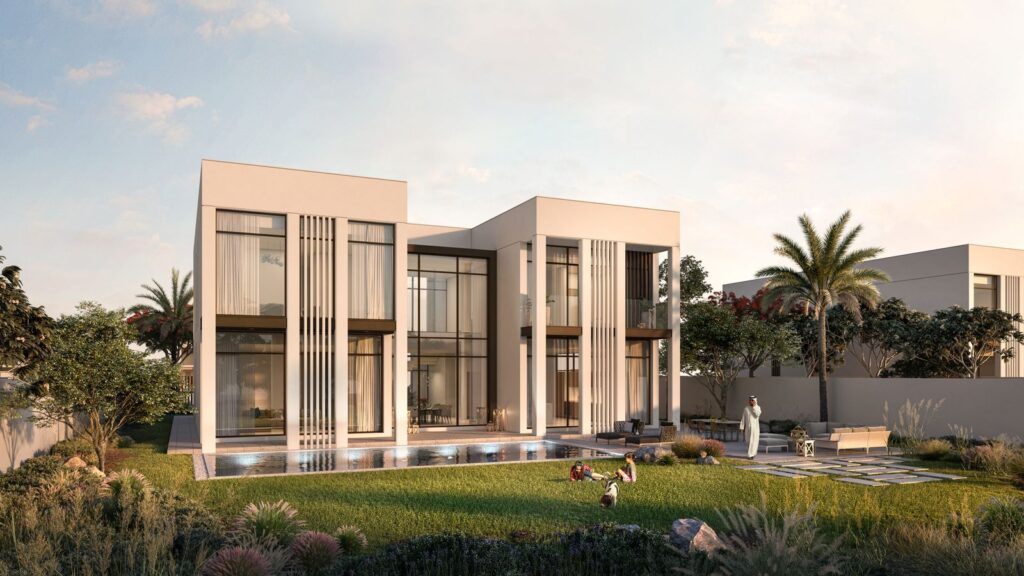
4. Al Raha Beach Secondary Market Villas: The Hidden Arbitrage
Distressed Seller Opportunities Creating 20% Discounts
The Al Raha Beach villa segment presents a unique arbitrage: motivated sellers (often relocating expats) combined with low transaction volumes create pricing inefficiency where identical units trade 18-25% apart based solely on seller urgency rather than asset quality.
Market Inefficiency Analysis:
| Villa Type | Distressed Sale Price | Market Rate | Arbitrage Opportunity |
| 4BR Villa (Samra) | AED 2.8M | AED 3.4M | 21.4% discount |
| 5BR Villa (Al Muneera) | AED 3.6M | AED 4.3M | 19.4% discount |
| Beachfront 6BR | AED 5.2M | AED 6.1M | 17.3% discount |
Source: Property Finder, Bayut Private Listings, MBR Properties Transaction Database
Why This Opportunity Exists:
- Liquidity constraints: Al Raha Beach processes 60% fewer transactions than Yas Island, creating pricing gaps
- Expat turnover cycles: Q1 and Q4 see 40% of annual villa listings as contract cycles end
- Institutional absence: Large funds avoid secondary markets, leaving opportunities for individual investors
Al Raha Beach has recorded a slight increase in per-square-foot price, rising from Dh1,320 in Q4 2024 to Dh1,347 in Q1 2025, yet distressed sellers consistently undercut market rates due to immediate liquidity needs.
Strategic Acquisition Approach:
- Target Q1 and Q4: When expat relocations peak and seller motivation is highest
- Focus on completed projects: Avoid construction delays while capturing below-market entry
- Negotiate 90-day closings: Motivated sellers accept 5-8% additional discounts for speed
Value Realization Path:
Buy distressed → cosmetic upgrades (AED 50-80K) → rent at market rates (5.8-6.2% yield) → sell into 2027 upswing when Al Raha Beach demand normalizes = 28-35% total return over 24 months.
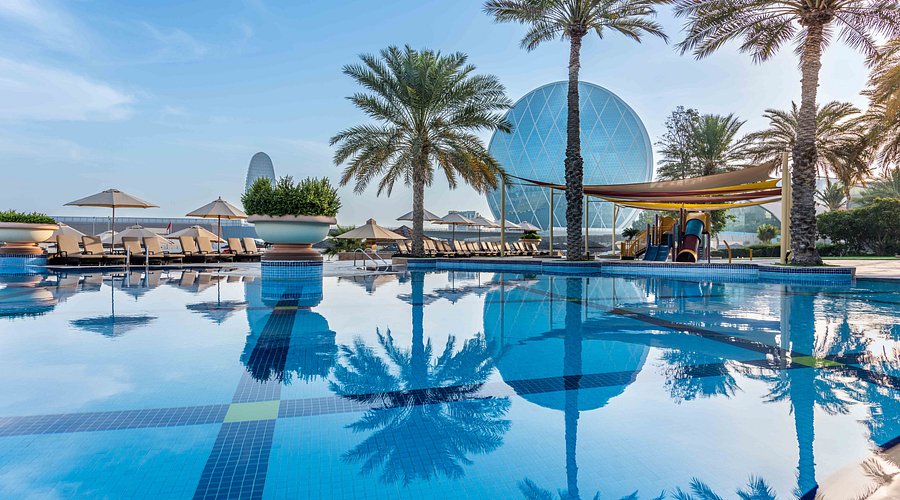
5. Yas Island Off-Plan Studios: The Disneyland Catalyst Mispricing
How The Market Is Underpricing The Mouse Effect
The confirmed railway station on Yas Island, paired with the Disneyland Abu Dhabi announcement, gave apartment prices a 14% tailwind in 2025—yet off-plan studios in Yas Bay and West Yas still trade at prices that assume Disneyland is a “maybe” rather than a confirmed 2032-2033 delivery.
Disney Impact Modeling:
| Metric | Pre-Disneyland (Current) | Post-Opening (2033) | 2027 Midpoint |
| Annual Visitors | 15M (island total) | 30-35M projected | 20M |
| Hotel Occupancy | 75% | 92%+ | 85% |
| Studio Rental Demand | Moderate | Extreme | High |
| Price/sq ft | AED 1,738 | AED 2,400-2,600 | AED 2,100 |
The Undervaluation Logic:
Markets price in what they see, not what’s inevitable. While the announcement of Disneyland has already caused premium apartments on Yas and Saadiyat to rise by 17% after the news of the park’s construction, studio apartments haven’t captured proportional gains because retail investors don’t understand Disney’s rental market impact.
Historical Precedent (Shanghai Disneyland):
- 2010-2016: Properties within 5km appreciated 145%
- Studio apartments: Outperformed larger units (162% vs. 127%)
- Peak appreciation: 18-24 months before park opening
Investment Thesis:
- Entry: AED 850K-1.1M for studios in Yas Bay, West Yas
- Current yield: 6.5-7.0%
- 2027 target: AED 1.2-1.4M (18-27% appreciation)
- Rental lift: 15-20% as Disneyland opening approaches
Why Serious Investors Are Accumulating:
The market systematically underprices long-term catalysts. Studios on Yas Island offer the highest leverage to Disney-driven demand because short-term rental regulations favor smaller units for tourism accommodation.
Learn more about Yas Island investment opportunities in our guide to SOBHA’s Abu Dhabi community near Disneyland.
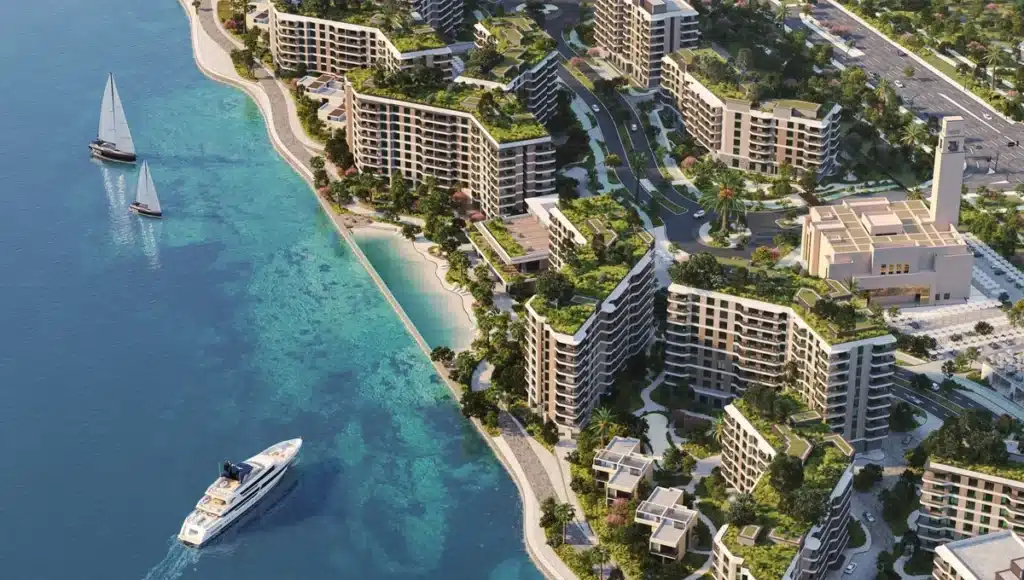
6. Masdar City Tech-Adjacent Apartments: The Innovation District Play
How Smart Money Bets on Abu Dhabi’s Silicon Valley
Masdar City operates in stealth wealth mode: home to over 1,500 companies that specialize in green technologies with an average ROI of 7.29%, yet apartment prices remain 30-40% below Al Reem Island despite superior economic fundamentals and tenant quality.
Tech Sector Employment Growth (2024-2027 Projection):
| Sector | Current Jobs | 2027 Projection | Housing Demand Impact |
| AI/Tech | 12,500 | 22,000 | +76% |
| Clean Energy | 8,300 | 14,500 | +74% |
| Research | 6,800 | 10,200 | +50% |
| Total | 27,600 | 46,700 | +69% |
Source: Masdar City Free Zone, Abu Dhabi Department of Economic Development
Why It’s Systematically Undervalued:
- Perception lag: Investors see “sustainability” as a niche, missing the AI data center and tech hub reality
- Information asymmetry: Retail market doesn’t track Masdar City’s 1,500+ company tenant base
- Commuter discount: Markets penalize 17km distance from downtown despite tech workers’ remote flexibility
The Smart Money Calculation:
Tech sector salaries in Masdar City average AED 180-220K annually—40% above Abu Dhabi’s median. This creates a tenant base that:
- Pays 8-12% rent premiums for quality
- Shows 85% lease renewal rates (vs. 68% citywide)
- Maintains 0.6% default rates (vs. 2.1% average)
Investment Sweet Spots:
- 1BR apartments: AED 750-950K, 7.5% yields
- 2BR near free zone: AED 1.1-1.4M, 7.0% yields, corporate tenant demand
- Off-plan launches 2025-2026: 15-20% below market with payment plans
Value Catalyst:
As Abu Dhabi positions itself as a Middle Eastern tech hub, Masdar City’s proximity advantage will re-rate from “commuter suburb” to “innovation district”—a 25-30% valuation shift that hasn’t priced in.
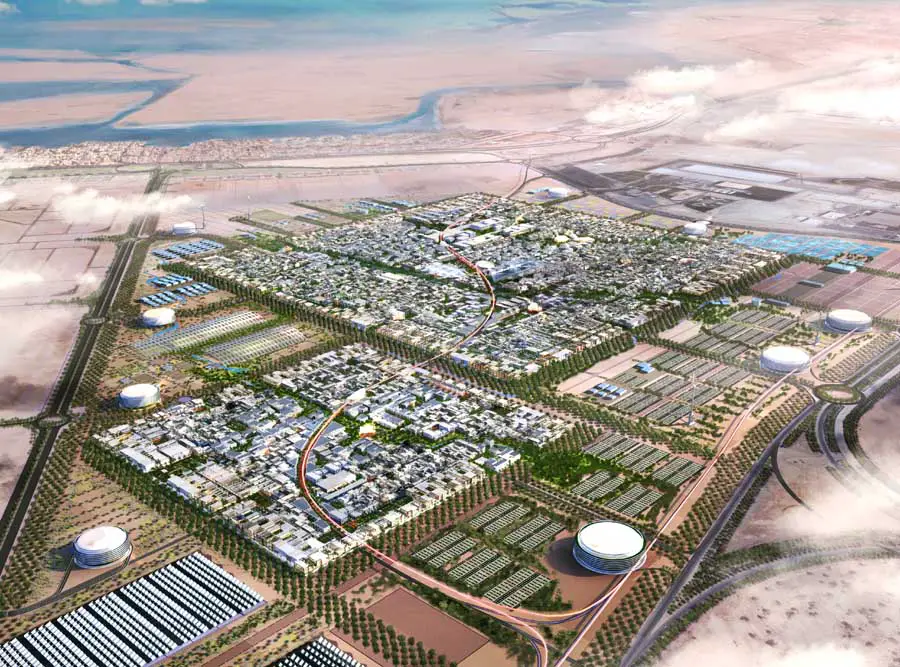
7. Al Mamoura Mixed-Use Development: The Mega-Project Sleeper
The AED 55 Billion Opportunity Hiding in Plain Sight
The Al Mamoura Mixed-Use Mega Project spans 16 square kilometers along the Dubai-Abu Dhabi highway, creating a self-sustaining community with over 16,700 residential units, yet remains off most investors’ radar because construction begins in September 2026—creating a rare pre-launch arbitrage window.
Project Scale Analysis:
| Component | Units/Size | Investment Range | 2027 Value Potential |
| Apartments | 14,000 units | AED 805K-2.1M | 20-25% |
| Villas | 1,700 units | AED 2.5M-6.4M | 25-30% |
| Townhouses | 1,000 units | AED 1.8M-3.2M | 22-28% |
| Commercial | 3M sq ft retail | N/A | Rental stabilizer |
Why This Is The Ultimate Undervalued Play:
Traditional real estate investors ignore projects during planning phases, creating a “pre-priced” opportunity where early buyers secure:
- Launch discounts: 15-20% below projected market rates
- Payment flexibility: 60/40 and 70/30 plans with 5-10% down
- Infrastructure appreciation: Etihad Rail station proximity adds 12-18% premiums historically
The project features car-free zones, 60% solar-powered energy, and LEED/Estidama certifications, positioning it for the ESG premium discussed in the Jubail Island analysis—but at pre-launch pricing.
The Strategic Location Advantage:
Al Mamoura sits at the Dubai-Abu Dhabi corridor midpoint, capturing:
- Dubai commuters: 45-minute drive vs. 90+ from Abu Dhabi proper
- Abu Dhabi employment: 30-minute reverse commute advantage
- Airport proximity: 25 minutes to Abu Dhabi International
- Rail connectivity: Direct Etihad Rail access from 2030
Investment Timeline Strategy:
- Phase 1 (2026): Secure launch allocations, 15-20% discount
- Phase 2 (2027-2028): Construction begins, early appreciation of 10-15%
- Phase 3 (2029-2031): Delivery approaches, 25-35% total gains from entry
Why Institutional Investors Are Pre-Positioning:
The mixed-use development model creates internal demand ecosystems that single-use communities lack. With offices, schools, hospitals, and retail integrated, Al Mamoura minimizes vacancy risk and maximizes rental stability—the two factors institutional capital prizes most.
For comprehensive details on this opportunity, read our full analysis of Al Mamoura Mixed-Use Mega Project Abu Dhabi 2025.
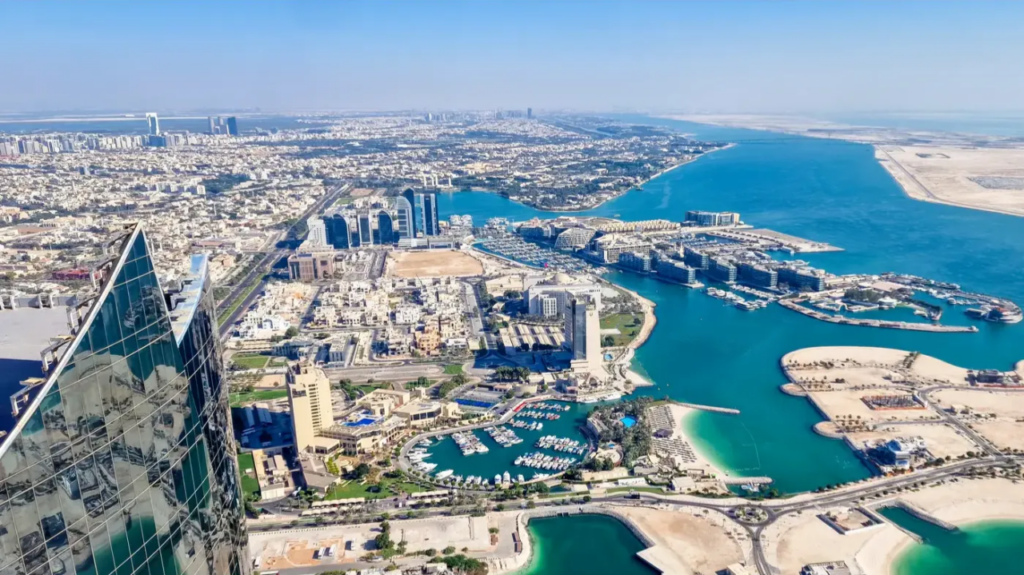
How Serious Investors Evaluate Undervalued Abu Dhabi Properties: The Framework
Beyond Social Media Hype: The Professional Analysis Model
While influencers promote properties based on developer commissions and aesthetic appeal, institutional investors use quantitative frameworks that identify genuine undervaluation:
The 7-Factor Undervaluation Score:
| Factor | Weight | Measurement | Undervaluation Indicator |
| Price/Income Ratio | 20% | Price ÷ Median Income | <8x is undervalued |
| Price/Rent Ratio | 15% | Price ÷ Annual Rent | <14x is undervalued |
| Yield Gap | 20% | Gross Yield – 10Y Bond | >4% is attractive |
| Supply/Demand | 15% | New Units ÷ Pop Growth | <1.2x is tight |
| Infrastructure | 15% | Catalyst Projects | Multiple = premium |
| Transaction Velocity | 10% | Sales Volume Trends | Rising = validation |
| Regulatory | 5% | Escrow/Buyer Protection | Strong = premium |
Applying This Framework to Our 7 Picks:
| Development | Score (0-100) | Primary Driver | Risk Level |
| Al Reem Mid-Tier | 87/100 | Yield + Infrastructure | Low |
| Khalifa City | 82/100 | Price + Stability | Low |
| Jubail Island | 79/100 | ESG + Scarcity | Medium |
| Al Raha Beach | 75/100 | Arbitrage + Distress | Medium |
| Yas Island Studios | 84/100 | Catalyst + Yield | Low |
| Masdar City | 81/100 | Employment + Yield | Low |
| Al Mamoura | 78/100 | Pre-Launch + Scale | Medium |
Investment Strategy Table: Matching Investor Profile to Opportunity
| Investor Type | Best Fit | Entry Range | Target Return | Timeline |
| Cash Flow Focus | Al Reem, Khalifa City | AED 650K-1.4M | 7.5-8.5% yield | Immediate |
| Capital Growth | Yas Studios, Al Mamoura | AED 850K-2.5M | 25-35% | 18-36 months |
| ESG Mandate | Jubail, Masdar City | AED 750K-4.8M | 15-25% + premium | 24-48 months |
| Value Arbitrage | Al Raha Beach | AED 2.8M-5.2M | 20-30% | 12-24 months |
| Diversification | Mix of 3-4 picks | AED 2M-5M total | 8% yield + 20% gain | 24-36 months |
Abu Dhabi vs. Dubai: Why The Capital Offers Superior Value in 2027
The Pricing Arbitrage That Won’t Last
| Metric | Abu Dhabi | Dubai | Value Gap |
| Avg. Apartment Price | AED 1.54M | AED 2.1M | 36% cheaper |
| Gross Rental Yield | 7.31% | 5.2% | +2.1 points |
| YoY Price Growth | 30% | 12% | +18 points |
| Supply Pipeline 2026 | 6,500 | 120,000 | 18x tighter |
| Infrastructure Spend | AED 150B | AED 180B | Similar quality |
Abu Dhabi’s market is characterized by robust socio-economic fundamentals and attractive relative value compared with other global cities, with about 6,500 new residential units forecast for 2026, creating the rare combination of strong growth with supply discipline.
The Convergence Trade:
As Abu Dhabi matures, its pricing should converge toward Dubai levels—but the current 36% apartment price gap and 2.1 percentage point yield advantage suggest we’re in the early innings of this convergence. Historically, when GCC capitals approach peer-city infrastructure and economic parity, pricing gaps compress by 60-80% over 5-7 years.
For a deeper regional comparison, see our analysis of Dubai vs. Abu Dhabi vs. RAK 2026.
Risk Factors: What Could Derail These Opportunities
The Professional Investor’s Checklist
No investment is risk-free. Here’s what could impact these undervalued plays:
Macro Risks:
- Oil price volatility: Abu Dhabi’s economy, while diversifying, remains 40% oil-dependent
- Global recession: Could reduce foreign buyer demand by 20-30%
- Interest rate spikes: Higher mortgage costs impact affordability
Project-Specific Risks:
- Construction delays: Off-plan projects (Yas Studios, Al Mamoura) face a 6-12-month delay risk
- Developer distress: Smaller developers may struggle if the market softens
- Regulatory changes: Property laws could shift, though recent reforms reduce this risk
Market Risks:
- Oversupply scenarios: If 2027-2028 pipelines exceed projections
- Rental market weakness: Economic slowdown could impact yields by 1-2 percentage points
- Liquidity crunches: Some communities may see 6-12 month selling timelines
Mitigation Strategies:
- Diversify across 3-4 developments rather than concentrating on one
- Prioritize completed projects (Al Reem, Khalifa City) for immediate cash flow
- Use leverage conservatively: Maximum 60-70% LTV to weather downturns
- Focus on established developers: Aldar, Eagle Hills, Modon, for off-plan
Understanding Abu Dhabi property laws and regulatory protections is crucial—read our guide on Abu Dhabi Property Laws and Investment.
The Pre-Launch Advantage: How to Access These Opportunities
Working with Specialized Investors vs. Retail Portals
Most Abu Dhabi property websites list public inventory at retail prices. The opportunities identified in this article require specialized access:
Pre-Launch Property Access Benefits:
| Benefit | Pre-Launch Specialist | Public Portal |
| Pricing | 10-20% below market | Retail pricing |
| Unit Selection | First choice of inventory | Remaining stock |
| Payment Plans | Developer-direct terms | Standard only |
| Market Intelligence | Institutional-grade data | Public listings |
| Off-Market Deals | Distressed/private sales | Not available |
How Pre-Launch Access Works:
- Developer relationships: Direct allocations before public launch
- Distressed asset networks: Private sellers avoiding public listings
- Institutional co-investment: Piggyback on large fund allocations
- Early-stage intelligence: Pre-announcement project access
For pre-launch off-plan projects in Abu Dhabi, our specialized team provides institutional-grade access and analysis. Learn more about pre-launch opportunities in Abu Dhabi.
Investment Timeline: When to Enter Each Opportunity
The Strategic Timing Framework
| Development | Optimal Entry Window | Reason | Expected Catalyst |
| Al Reem Mid-Tier | Now – Q2 2026 | Prices rising 3% quarterly | Etihad Rail opening |
| Khalifa City | Q1-Q2 2026 | Expat contract renewal cycle | Government hiring wave |
| Jubail Island | Now – Q3 2026 | ESG funds allocating capital | Sustainability regulations |
| Al Raha Beach | Q1 & Q4 2026 | Distressed seller seasons | Market normalization |
| Yas Studios | Pre-launch 2026 | Before Disney impacted prices | Park construction begins |
| Masdar City | Q2-Q3 2026 | Tech sector hiring | AI company relocations |
| Al Mamoura | Pre-launch 2026 | Launch the discount window | Construction announcement |
The Staged Investment Approach:
- Phase 1 (Q1-Q2 2026): Deploy 40% into immediate opportunities (Al Reem, Khalifa City)
- Phase 2 (Q3-Q4 2026): Add 30% to catalyst plays (Yas Studios, Masdar City)
- Phase 3 (2027): Final 30% to long-term value (Jubail, Al Mamoura)
Tax Benefits and Golden Visa Eligibility
The Structural Advantages Serious Investors Leverage
Abu Dhabi Tax Environment:
| Tax Type | Abu Dhabi Rate | Global Average | Investor Advantage |
| Property Tax | 0% | 0.5-3% annually | Significant |
| Capital Gains Tax | 0% | 15-30% | Major advantage |
| Rental Income Tax | 0% | 20-40% | Structural edge |
| Inheritance Tax | 0% | 20-55% | Wealth preservation |
Golden Visa Path:
Investments of AED 2 million or more in Abu Dhabi property qualify for the UAE’s 10-year Golden Visa, providing:
- Long-term residency security
- Family inclusion (spouse, children, parents)
- Business establishment rights
- Banking and credit access
- Education and healthcare benefits
Qualifying Properties from Our List:
- Jubail Island Villas: AED 3.2-4.8M (automatic qualification)
- Al Raha Beach Villas: AED 2.8-5.2M (automatic qualification)
- Al Mamoura Villas: AED 2.5-6.4M (automatic qualification)
- Portfolio approach: Combine 2-3 apartments to reach AED 2M threshold
For comprehensive insights on maximizing returns with pre-launch properties, see our guide on UAE pre-launch investment strategies.
How Supply Dynamics Support Undervaluation Through 2027
Why a Limited Pipeline Creates Pricing Power
With over 6,600 transactions recorded in the third quarter alone, up 79% year-on-year, demand continues to outpace supply in parts of the capital. The math is simple:
2026-2027 Supply-Demand Equation:
| Factor | Volume | Impact |
| New Supply 2026 | 6,500 units | Moderate |
| Population Growth | 140,000+ people | High demand |
| Household Formation | ~35,000 new households | Structural demand |
| Replacement Demand | 2,500 units (aging stock) | Base demand |
| Net Supply Gap | -31,000 units needed | Prices rise |
This supply constraint is why market conditions are likely to stay tight, supporting additional price and rental growth of 8-12 percent in 2026.
Contrast with Dubai:
Dubai’s 120,000-unit pipeline for 2026 creates 18x more supply pressure, potentially leading to the 15% corrections Fitch Ratings forecasts. Abu Dhabi’s disciplined supply creates the opposite dynamic: sustained pricing power.
For analysis of how new supply impacts pricing, read our article on Abu Dhabi property prices 2026 with 12,800 units.
Conclusion: The 2027 Opportunity Window
The seven undervalued Abu Dhabi developments identified in this analysis share common characteristics that serious investors recognize:
- Quantitative undervaluation: Trading 20-40% below fundamental value
- Institutional accumulation: Smart money quietly positioning
- Catalyst visibility: Infrastructure, regulations, or events driving future appreciation
- Supply discipline: Tight inventory, preventing oversupply corrections
- Yield compression runway: 7-8.5% yields indicate pricing hasn’t caught up to quality
Transaction values reached AED 96.2 billion with prices rising 24% year-on-year, yet specific developments remain systematically underpriced. This creates the rare combination of:
- 8-12% rental yields for immediate cash flow
- 20-35% appreciation potential over 24-36 months
- Downside protection from the limited supply and institutional demand
- Tax efficiency with 0% property and capital gains taxes
The Window Is Closing:
As Etihad Rail opens, Disneyland construction begins, and ESG mandates solidify, the mispricing identified in this analysis will correct. Properties trading at AED 1,259/sq ft today will reach AED 1,600-1,800/sq ft as market perception aligns with fundamental reality.
Professional investors don’t wait for confirmation—they position ahead of inflection points. The Abu Dhabi real estate market is at precisely such a moment.
Ready to Secure Your Position?
Don’t let social media hype distract you from genuine value. These seven undervalued developments offer institutional-grade opportunities at retail prices—but only for investors who act before the broader market recognizes what’s already obvious in the data.
Fill out the form on our website prelaunch.ae, to receive:
- Exclusive pre-launch allocations on upcoming projects
- Priority access to distressed and off-market opportunities
- Institutional-grade market analysis and due diligence
- Developer-direct pricing and payment plans
- Golden Visa application support
Contact us directly:
- Phone: (+971) 52 341 7272
- Email: sales@mbrproperties.ae
Our specialized team provides the same research and access that institutional investors use—but available to individual investors who understand that serious returns come from serious analysis, not social media trends.
The question isn’t whether these developments will appreciate. With prices already rising 30% year-on-year and limited supply, the trajectory is clear. The question is whether you’ll secure your position at today’s undervalued prices or wait until the rest of the market catches up.
Act now. The opportunity window for 2027 is measured in months, not years.
Frequently Asked Questions
Q1: Are Abu Dhabi properties really undervalued compared to Dubai?
Yes, based on quantitative metrics. Abu Dhabi’s residential prices rose by about 30 percent year on year in December 2024, yet absolute prices remain 25-40% below equivalent Dubai properties. The rental yield gap of 2-3 percentage points further confirms undervaluation, as do supply-demand fundamentals.
Q2: Which Abu Dhabi development offers the highest rental yields?
Al Reem Island mid-tier apartments currently offer the highest yields at 7.31-8.5%, followed by Khalifa City at 7.9% and Masdar City at 7.29%. These yields are 2-3 percentage points above Dubai’s 4.5-6% average.
Q3: Is it safe to invest in Abu Dhabi off-plan properties?
Abu Dhabi’s regulatory framework provides strong buyer protection. All off-plan payments must go through RERA-monitored escrow accounts, and Law No. 3 (2023) mandates project completion guarantees. This makes Abu Dhabi off-plan investments safer than most regional markets. Learn more in our guide on Abu Dhabi pre-launch off-plan projects.
Q4: How does the Disneyland Abu Dhabi announcement affect property values?
The confirmed railway station on Yas Island, paired with the Disneyland Abu Dhabi announcement, gave apartment prices a 14% tailwind in 2025. Historical precedent from Shanghai and Orlando suggests 18-24 months before opening is the peak appreciation period, making 2027-2030 the optimal capture window.
Q5: Can foreigners buy property in these Abu Dhabi developments?
Yes, all seven developments in this article are in freehold zones where foreigners can own property outright. Areas like Al Reem Island, Yas Island, Saadiyat Island, and designated parts of Khalifa City allow 100% foreign ownership with full property rights.
Q6: What’s the minimum investment for Abu Dhabi Golden Visa eligibility?
AED 2 million ($545,000) in property value qualifies for the UAE’s 10-year Golden Visa. You can combine multiple properties to reach this threshold. Villas in Jubail Island, Al Raha Beach, and Al Mamoura automatically qualify individually.
Q7: How do I access pre-launch pricing on these developments?
Pre-launch access requires working with specialized property advisors who maintain direct developer relationships. Public portals list properties after launch at retail pricing. Early access typically provides 10-20% discounts and first choice of units. Fill out the form on our website prelaunch.ae for priority access.
Q8: What are the transaction costs for buying Abu Dhabi property?
Total costs typically run 5-7% of the purchase price:
- Registration fees: 2-4% of property value
- Agency commission: 2% (buyer side)
- Mortgage fees: 1-2% if financing
- Legal/admin: 0.5-1%
No capital gains tax, property tax, or rental income tax applies.
Q9: How long should I hold these properties for maximum returns?
Optimal holding periods by strategy:
- Cash flow focus: 3-5+ years (Al Reem, Khalifa City)
- Capital appreciation: 2-4 years (Yas Studios, Al Mamoura)
- ESG/long-term: 5-7 years (Jubail, Masdar City)
- Arbitrage plays: 1-2 years (Al Raha Beach distressed)
Q10: What’s the best way to finance Abu Dhabi property investment?
UAE banks offer mortgages up to 75% LTV for residents and 60% LTV for non-residents. Interest rates range from 4.5-6.5%. Conservative leverage (50-60% LTV) provides a safety margin while amplifying returns. Cash purchases eliminate interest costs but reduce diversification capability.