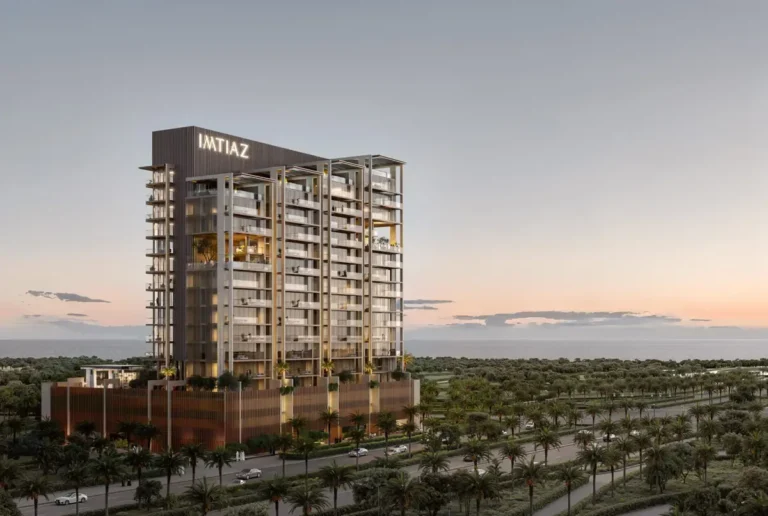
The Louvre Abu Dhabi Residences represent a groundbreaking fusion of art, culture, and luxury real estate in Abu Dhabi. Developed through an unprecedented collaboration between Aldar Properties and the world-renowned Louvre Abu Dhabi museum, these residences have redefined the concept of cultural district living on Saadiyat Island. As the first residential project bearing the Louvre name globally, this development commands significant price premiums compared to standard Saadiyat Island inventory, raising important questions for investors: What drives these pricing differences, and are they justified by tangible value?
Understanding the pricing dynamics between culture-linked properties and conventional Saadiyat Island real estate requires examining multiple factors, from exclusive membership privileges to architectural prestige, rental yield performance, and capital appreciation trajectories. This comprehensive analysis explores how the Louvre Abu Dhabi Residences’ unique positioning translates into measurable market advantages and whether these premiums reflect genuine investment value or simply aspirational branding.
The Cultural Premium: Quantifying the Louvre Advantage
The Louvre Abu Dhabi Residences pricing structure reveals substantial premiums over comparable properties in the Saadiyat Cultural District. Studio apartments at the Louvre Residences begin at approximately AED 1.3 million, while one-bedroom units start around AED 1.5 million to AED 2 million, positioning them thirty-five to fifty percent above similar offerings in nearby developments such as Saadiyat Beach Residences or Mamsha Al Saadiyat.
This premium stems primarily from the development’s exclusive cultural affiliation. Residents receive automatic membership in the Grove Circle, granting complimentary access to the Louvre Abu Dhabi museum, invitations to private art exhibitions and cultural events, educational workshops, and discounts at museum restaurants and cafés. These benefits create tangible lifestyle value that standard waterfront properties in Abu Dhabi cannot replicate, regardless of their proximity to cultural landmarks.
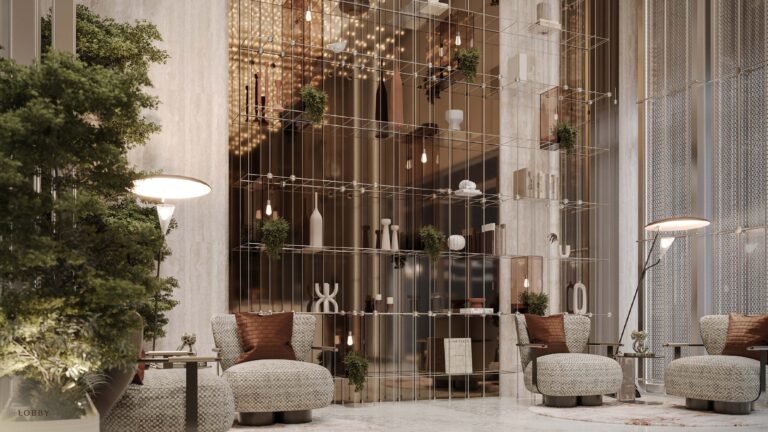
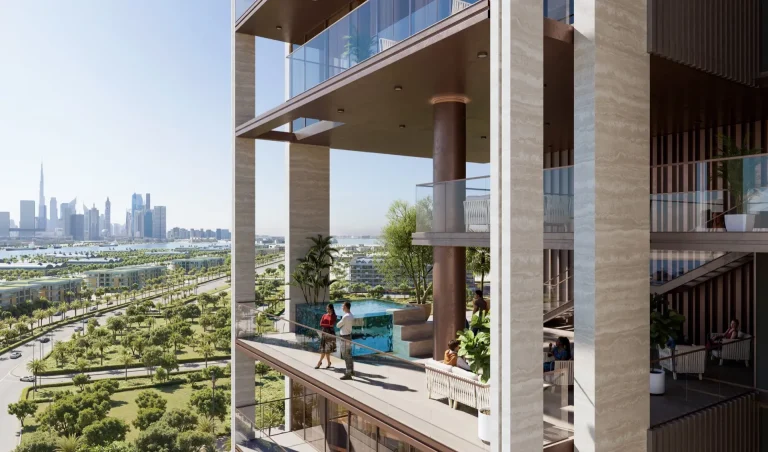
The architectural distinction further justifies premium pricing. Working directly with Louvre Abu Dhabi’s curatorial vision, designers created residences featuring art-inspired interiors, expansive floor-to-ceiling windows with curated views of the iconic museum and Arabian Gulf, hotel-inspired lobbies adorned with museum-quality artwork, and bespoke finishes reflecting the Louvre’s aesthetic philosophy. Each element reinforces the property’s cultural narrative and differentiates it from conventional luxury apartments.
Comparative Price Analysis: Louvre Residences vs Standard Saadiyat Stock
To understand the Louvre Abu Dhabi Residences price positioning, comparing it against typical Saadiyat Island inventory provides essential context. The table below illustrates current market averages across various property types on Saadiyat Island:
| Property Type | Louvre Abu Dhabi Residences | Standard Saadiyat Island Average | Premium Percentage |
| Studio | AED 1,300,000 | AED 850,000 – 950,000 | 37-53% |
| 1-Bedroom | AED 1,500,000 – 2,000,000 | AED 1,200,000 – 1,400,000 | 25-67% |
| 2-Bedroom | AED 2,800,000 – 4,200,000 | AED 2,100,000 – 3,000,000 | 33-40% |
| 3-Bedroom | AED 4,500,000 – 6,700,000 | AED 3,250,000 – 4,800,000 | 38-40% |
| Price per sq ft | AED 2,800 – 3,400 | AED 1,870 – 2,200 | 50-82% |
These figures demonstrate that culture-linked properties command consistent premiums across all unit types. The price per square foot differential proves particularly striking, with Louvre Residences averaging fifty to eighty-two percent above standard Saadiyat Island metrics. This premium reflects not merely branded prestige but the scarcity value of properties offering direct cultural integration—a positioning that distinguishes these residences from general luxury apartments in Abu Dhabi.
Similar to how The Row Saadiyat by Aldar leverages architectural distinction through BIG Architects’ design to command premium pricing, the Louvre Residences utilize cultural partnerships to create market differentiation that standard properties cannot replicate through amenities alone.

Investment Performance: ROI and Rental Yields Comparison
Beyond purchase price premiums, analyzing actual investment performance reveals whether culture-linked properties deliver superior returns compared to conventional Saadiyat Island property investment opportunities. The Louvre Abu Dhabi Residences demonstrate strong performance across key investor metrics.
Rental Yield Analysis:
Studios at Louvre Abu Dhabi Residences achieve rental yields averaging 8.3 percent, significantly outperforming the Saadiyat Island studio average of 7 percent and exceeding the broader Abu Dhabi real estate 2025 market average of 6.5 to 7.2 percent. One-bedroom apartments deliver approximately 7.2 percent annual returns, while two-bedroom and three-bedroom units generate 6.5 to 6.8 percent yields, respectively.
These superior yields stem from premium rental rates that reflect the property’s unique value proposition. Annual rental costs for one-bedroom apartments at the Louvre Residences reach AED 100,000 to AED 120,000, compared to AED 70,000 to AED 85,000 for equivalent units in standard Saadiyat developments. Tenants willingly pay these premiums for cultural access, prestigious addresses, and distinctive architectural environments that enhance their living experience beyond conventional luxury specifications.
Capital Appreciation Trajectories:
The Saadiyat Cultural District has experienced exceptional price growth, with properties near major cultural institutions appreciating 21.2 percent annually according to recent market analyses. The Louvre Abu Dhabi Residences benefit disproportionately from this trend, as their direct museum affiliation positions them at the epicenter of cultural district prestige.
Standard Saadiyat Island properties, while certainly benefiting from the island’s overall appreciation, averaging twelve percent annually, lack the cultural narrative that drives accelerated value growth in premium segments. This appreciation differential compounds over time, creating substantial wealth-building advantages for culture-linked property owners compared to conventional luxury real estate Abu Dhabi investments.
The Scarcity Factor: Limited Cultural Partnership Inventory
A critical element driving Louvre Abu Dhabi Residences pricing involves genuine supply constraints. With only four hundred meticulously designed units, including studios, one to three-bedroom apartments, and five exclusive penthouses, the development represents the world’s first and potentially only residential project bearing the Louvre brand. This absolute scarcity creates investment dynamics fundamentally different from standard off-plan developments in Abu Dhab,i where developers can theoretically launch additional phases or competing projects.
The cultural partnership model itself imposes natural limits on supply expansion. Museums carefully protect their brand equity, making future Louvre-affiliated residential projects unlikely given this inaugural partnership’s exclusivity requirements. This supply ceiling ensures that appreciation potential remains uncapped by competitive inventory additions that typically moderate price growth in conventional developments.
Comparing this scarcity advantage to broader Abu Dhabi waterfront homes trends reveals the Louvre Residences’ positioning strength. While waterfront locations generally command premiums and deliver strong appreciation, the finite nature of cultural partnerships creates scarcity that even prime coastal locations with theoretically expandable inventory cannot match. Similar to how Saadiyat Island villas benefit from limited coastal land availability, culture-linked residences gain additional scarcity through irreplicable institutional partnerships.
Amenities and Lifestyle: Tangible Differences Beyond Branding
Critics might argue that premium pricing for culture-linked properties reflects marketing rather than substance. However, examining the comprehensive amenity packages and lifestyle advantages reveals concrete differences justifying price disparities between the Louvre Abu Dhabi Residences and typical Saadiyat inventory.
Exclusive Cultural Access:
Grove Circle membership transforms cultural engagement from occasional museum visits into integrated lifestyle components. Residents enjoy annual passes valued at AED 500 to AED 700 per person for family households, priority reservations for limited-capacity exhibitions and special events, discounted rates averaging fifteen to twenty-five percent at museum dining establishments, and invitations to resident-only receptions featuring artists, curators, and cultural figures. These benefits create ongoing value that standard properties offering proximity but not access cannot replicate.
Premium Physical Amenities:
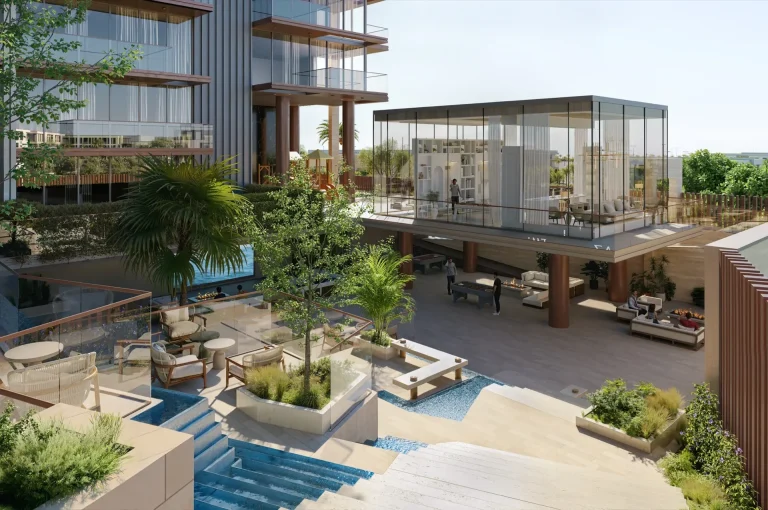
Beyond cultural programming, the Louvre Residences feature infrastructure matching luxury waterfront properties elsewhere in Abu Dhabi, including infinity pools overlooking the museum and Arabian Gulf, state-of-the-art fitness centers with personal training services, private cinema with museum-quality audiovisual systems, co-working spaces designed for creative professionals, and Le Salon Détente, sophisticated lounges for social gatherings. What distinguishes these amenities involves their integration with the cultural narrative—for instance, the cinema screens art documentaries and hosts discussions with filmmakers, while lounges feature rotating art installations curated by museum professionals.
Sustainable Design Excellence:
Meeting Pearl Building Rating System requirements, the development incorporates energy-efficient systems, reducing utility costs by twenty-five to thirty percent, water conservation technologies aligned with Abu Dhabi’s sustainability goals, smart home integration enabling remote climate and lighting control, and landscaping featuring native species requiring minimal irrigation. These sustainable features enhance long-term value retention while reducing operating expenses, creating economic advantages beyond cultural positioning.
Properties like Al Reem Island developments offer competitive amenity packages, but the integration of cultural programming with physical infrastructure creates lifestyle experiences that purely residential or business-focused communities cannot match.
Market Positioning: Who Pays the Cultural Premium?
Understanding buyer demographics for culture-linked properties versus standard Saadiyat stock reveals distinct market segments willing to pay premium pricing for different value propositions. This demographic analysis helps investors assess demand sustainability and appreciation potential.
Louvre Abu Dhabi Residences Buyer Profile:
Primary purchasers include internationally mobile professionals in creative industries valuing cultural amenities, high-net-worth individuals seeking distinctive addresses beyond conventional luxury, expatriate families prioritizing arts education and cultural exposure for children, and collectors and art enthusiasts desiring proximity to world-class museum resources. These buyers demonstrate a willingness to pay twenty-five to fifty percent premiums for an integrated cultural lifestyle rather than merely adjacent cultural institutions.
Standard Saadiyat Island Buyer Profile:
Conventional Saadiyat properties attract broader demographics, including corporate executives prioritizing beachfront access and resort-style amenities, young professionals seeking entry-level freehold properties in Abu Dhabi with appreciation potential, retirees valuing tranquil waterfront environments and international school access, and investors focused purely on rental yields rather than lifestyle differentiation. These buyers optimize for price-to-value ratios within luxury segments but may not prioritize cultural programming, justifying significant premiums.
The demographic distinction suggests culture-linked properties target niche audiences willing to pay for specific lifestyle integration, creating less price-sensitive demand that supports premium valuations. This positioning mirrors luxury goods markets where brand affiliation and exclusive experiences command premiums independent of functional specifications.
Long-Term Value Proposition: Appreciation Potential Through 2030
Projecting future performance requires analyzing factors likely to influence both culture-linked and standard Saadiyat properties through the remainder of this decade. Several trends suggest the Louvre Abu Dhabi Residences may maintain or expand their premium positioning.
Cultural District Maturation:
The anticipated opening of Guggenheim Abu Dhabi in 2026 and Zayed National Museum completion by 2028 will transform Saadiyat Island into a comprehensive cultural destination rivaling global arts capitals. This institutional density creates network effects where each museum enhances others’ appeal, with the Louvre Abu Dhabi maintaining primacy as the district’s established anchor institution. Properties offering privileged access to this cultural ecosystem should appreciate faster than those merely located nearby.
Tourism-Driven Demand:
The Louvre Abu Dhabi attracts over one million annual visitors, with numbers projected to grow as the cultural district expands. This tourism influx creates short-term rental opportunities for residences with museum-view positioning and cultural access benefits. Owners can market units to culturally-engaged tourists seeking immersive experiences beyond hotel accommodations, potentially achieving premium rental rates during peak exhibition periods and cultural festivals.
Brand Appreciation Over Time:
Unlike typical luxury developments where branding impact diminishes as properties age and newer projects launch with contemporary specifications, cultural affiliation with prestigious institutions may appreciate over time. The Louvre brand strengthens through decades rather than weakening, suggesting the residences’ cultural premium could expand rather than contract as the development matures and the museum’s collection and reputation grow.
This long-term trajectory differs markedly from standard Abu Dhabi off-plan properties, where first-mover advantages erode as competing inventory enters markets. Similar to how established luxury neighborhoods gain cachet over decades, culture-linked developments may build prestige through institutional partnerships that transcend typical real estate cycles. Understanding these dynamics proves crucial for investors comparing immediate yields against sustained appreciation potential.
Investment Decision Framework: Is the Premium Justified?
For investors weighing Louvre Abu Dhabi Residences against standard Saadiyat Island alternatives, several factors determine whether premium pricing represents value or overextension.
Premium Justification Indicators:
The cultural premium appears justified when investors prioritize lifestyle integration alongside financial returns, plan extended ownership horizons capturing long-term brand appreciation, value scarcity and irreplicability limiting future competitive supply, and target tenant demographics willing to pay for cultural access and prestige. These conditions create demand fundamentals supporting premium valuations beyond speculative enthusiasm.
Premium Risk Factors:
Conversely, premiums may prove excessive if cultural programming value diminishes through reduced museum appeal or access restrictions, broader economic downturns reduce discretionary spending on lifestyle amenities, competing developments successfully replicate cultural partnerships, diluting scarcity value, or rental markets prove unwilling to compensate premium purchase prices with proportional rent increases. These scenarios would compress premiums toward standard market levels.
Sophisticated investors conduct scenario analysis, weighing these positive and negative factors against their specific investment criteria. For purely yield-focused strategies, standard Saadiyat properties offering comparable rental returns at lower entry costs may prove superior. However, for balanced approaches valuing both income and appreciation, culture-linked properties’ unique positioning and demand characteristics justify consideration despite higher acquisition costs.
Comparing investment frameworks across Abu Dhabi luxury properties reveals no universal answer—the optimal choice depends on individual financial objectives, risk tolerance, and lifestyle priorities. Properties like the Sobha Abu Dhabi Super-Parcel offer alternative value propositions through master-planned community benefits, while developments such as Yas Island properties provide entertainment-focused lifestyle integration, each commanding premiums for different differentiation factors.
Golden Visa and Tax Advantages: Additional Value Layers
Beyond cultural amenities and appreciation potential, the Louvre Abu Dhabi Residences offer strategic advantages within the UAE’s residency and taxation frameworks that enhance overall investment value for international buyers.
Golden Visa Eligibility:
Properties valued above AED 2 million qualify purchasers for the UAE Golden Visa programs, granting ten-year renewable residence permits for investors and their families. Given that most one-bedroom and larger units at the Louvre Residences exceed this threshold, buyers automatically secure residency benefits alongside cultural lifestyle advantages. This dual value proposition differentiates culture-linked properties from sub-AED 2 million alternatives requiring separate residency pathways.
The Golden Visa program creates particular appeal for internationally mobile professionals seeking flexible residency options without permanent relocation commitments. By purchasing at the Louvre Residences, buyers simultaneously establish an Abu Dhabi luxury property investment, secure long-term residency rights, and gain cultural lifestyle integration—a combination standard properties rarely deliver comprehensively.
Tax-Free Investment Returns:
The UAE’s zero capital gains tax and zero rental income tax policies mean all appreciation and rental yields from Saadiyat Island property investment accrue to owners without taxation, maximizing net returns compared to properties in jurisdictions imposing substantial real estate taxes. When combined with the Louvre Residences’ superior appreciation trajectory and strong rental performance, these tax advantages amplify wealth-building potential beyond gross return metrics alone.
Investors accustomed to twenty to forty percent taxation on real estate income and gains should factor these savings into total return calculations when comparing UAE opportunities against alternatives in London, New York, or Singapore markets. The tax efficiency particularly benefits high-net-worth individuals in elevated tax brackets where savings compound significantly over multi-year holding periods.
Future Supply Dynamics: New Cultural Developments on the Horizon
Understanding how future Saadiyat Island inventory might affect Louvre Abu Dhabi Residences pricing requires analyzing planned developments and their potential competitive positioning.
Upcoming Cultural District Projects:
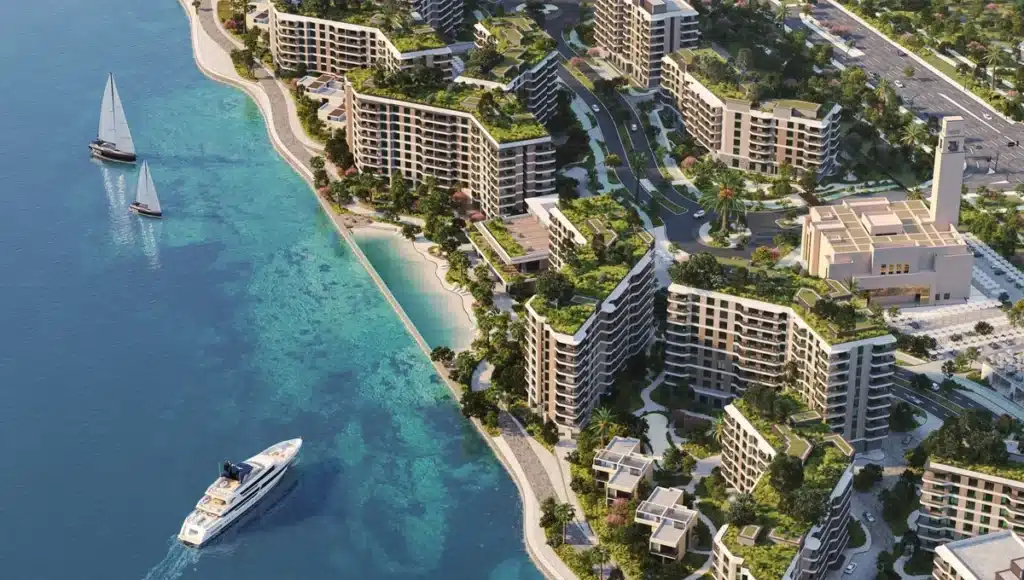
Several announced developments will add inventory near cultural institutions, including premium apartments in the Saadiyat Grove community with views of future museums, townhouses and villas in Saadiyat Lagoons targeting family buyers, and mixed-use developments integrating retail, residential, and cultural programming. While these projects increase overall supply, none replicate the Louvre Residences’ direct institutional partnership and exclusive cultural access.
Competitive Differentiation Sustainability:
The question becomes whether proximity-based developments can erode the Louvre Residences’ premium through competitive pricing while offering similar cultural district locations. Market evidence suggests that access premiums persist even as supply increases—properties with exclusive club memberships, branded residences with hotel amenities, and developments offering proprietary programming maintain valuation advantages over nearby alternatives lacking these distinctive elements.
The Louvre affiliation represents an irreplicable competitive moat. While developers can build properties near cultural institutions, they cannot secure institutional partnerships granting residents privileged access, programming integration, and brand affiliation. This structural advantage suggests the cultural premium should prove durable against general supply increases, similar to how branded residences maintain premiums over non-branded luxury apartments in comparable locations.
Broader Abu Dhabi property market trends indicate that targeted supply additions addressing specific demand segments rarely eliminate scarcity premiums for truly differentiated products. Analysis of Abu Dhabi property prices 2026 reveals that well-positioned luxury inventory continues appreciating despite substantial new unit deliveries, as demand growth and product differentiation support multiple price tiers within premium segments.
Conclusion: Cultural Premiums Reflect Genuine Value Creation
The analysis of Louvre Abu Dhabi Residences pricing versus standard Saadiyat Island inventory reveals that culture-linked properties command premiums ranging from twenty-five to eighty-two percent across different unit types and metrics. These premiums stem from tangible value drivers including exclusive cultural access through Grove Circle membership, architectural distinction and museum-quality design elements, superior rental yields averaging 7.2 to 8.3 percent versus conventional alternatives, accelerated capital appreciation trajectories within the cultural district, irreplicable scarcity through limited institutional partnership inventory, and comprehensive lifestyle integration beyond standard luxury specifications.
For investors prioritizing purely financial metrics, standard Saadiyat properties may offer acceptable risk-adjusted returns at lower entry costs. However, for those valuing balanced approaches incorporating lifestyle benefits, appreciation potential, and portfolio differentiation, the Louvre Abu Dhabi Residences’ premiums appear justified by fundamental advantages that standard inventory cannot replicate, regardless of proximity or specifications.
The cultural district’s maturation through 2030, sustained tourism growth exceeding one million annual museum visitors, and the Louvre brand’s strengthening reputation suggest these premiums may prove conservative relative to long-term value creation. As Abu Dhabi establishes itself as a global cultural destination rivaling Paris, London, and New York, properties offering privileged access to world-class institutions should capture disproportionate appreciation within the emirate’s luxury real estate markets.
Ultimately, the decision between culture-linked and conventional properties reflects individual investment philosophies and lifestyle priorities. The Louvre Abu Dhabi Residences demonstrate that thoughtfully structured cultural partnerships create measurable market advantages, justifying premium valuations—a model likely to influence future luxury development strategies as developers recognize that exclusive programming and institutional affiliations generate sustainable competitive differentiation in increasingly sophisticated global real estate markets.
Ready to explore exceptional investment opportunities in Abu Dhabi’s luxury real estate market? Whether you’re interested in culture-linked properties like the Louvre Abu Dhabi Residences, waterfront developments across Saadiyat Island, or off-plan projects in Abu Dhabi offering early-stage pricing advantages, our team provides personalized guidance aligned with your investment objectives and lifestyle priorities.
Fill up the form on our website at prelaunch.ae to receive exclusive market insights, property listings, and investment consultations. Our specialists offer comprehensive analysis of Abu Dhabi real estate 2025 trends, competitive positioning across luxury developments, and strategic recommendations for portfolio optimization within the emirate’s dynamic property markets.
Contact us directly at (+971) 52 341 7272 or sales@mbrproperties.ae for immediate assistance. We provide access to pre-launch opportunities, developer relationships enabling favorable pricing and payment terms, detailed due diligence on cultural district developments, and ongoing portfolio management ensuring your investments achieve optimal performance.
Abu Dhabi’s luxury real estate renaissance creates unprecedented opportunities for discerning investors seeking tax-efficient wealth building, Golden Visa residency benefits, and lifestyle integration through world-class amenities and cultural programming. Let us guide you toward properties delivering exceptional returns alongside enriching living experiences in the UAE’s cultural capital.
Frequently Asked Questions
What is the starting price for Louvre Abu Dhabi Residences?
The starting price for studio apartments at Louvre Abu Dhabi Residences begins at approximately AED 1,300,000, while one-bedroom apartments start around AED 1,500,000 to AED 2,000,000. These prices represent thirty-five to fifty percent premiums over comparable standard Saadiyat Island properties, reflecting the development’s exclusive cultural partnership with the Louvre Abu Dhabi museum and comprehensive Grove Circle membership benefits.
What is included in the Grove Circle membership?
Grove Circle membership provides residents with complimentary annual access to the Louvre Abu Dhabi museum (valued at AED 500-700 per person), invitations to private art exhibitions and cultural events, priority reservations for limited-capacity special exhibitions, educational workshops and art classes, discounts averaging fifteen to twenty-five percent at museum restaurants and cafés, and exclusive invitations to resident-only receptions featuring artists, curators, and cultural figures. These benefits create ongoing lifestyle value justifying premium property pricing.
How do rental yields compare between Louvre Residences and standard Saadiyat properties?
Louvre Abu Dhabi Residences deliver superior rental yields across all unit types, with studios achieving 8.3 percent returns versus 7 percent for standard Saadiyat studios, one-bedroom apartments generating 7.2 percent yields compared to 6.5 percent for conventional alternatives, and larger units maintaining 6.5 to 6.8 percent performance. These enhanced yields stem from premium rental rates that tenants willingly pay for cultural access and prestigious addresses.
Do Louvre Abu Dhabi Residences qualify for Golden Visa?
Yes, most units at the Louvre Abu Dhabi Residences qualify for UAE Golden Visa programs, as properties valued above AED 2 million grant purchasers ten-year renewable residence permits. Given that one-bedroom and larger apartments typically exceed this threshold, buyers automatically secure residency benefits alongside cultural lifestyle advantages, creating comprehensive value beyond standard luxury real estate Abu Dhabi investments.
What makes the Louvre Residences different from other Saadiyat Island properties?
The Louvre Abu Dhabi Residences represent the world’s first residential project bearing the Louvre museum brand, featuring exclusive Grove Circle membership with comprehensive cultural access, art-inspired architecture and museum-quality design elements, hotel-lobby aesthetics with curated artwork displays, superior rental yields and capital appreciation trajectories, and irreplicable institutional partnership creating genuine scarcity advantages. These elements distinguish the development from conventional luxury apartments offering proximity but not integration with cultural institutions.
Is the cultural premium sustainable long-term?
Multiple factors suggest cultural premiums should prove sustainable and potentially expand over time, including the Saadiyat Cultural District’s maturation with Guggenheim Abu Dhabi and Zayed National Museum completions by 2028, tourism growth exceeding one million annual museum visitors creating short-term rental opportunities, the Louvre brand’s strengthening reputation over decades rather than diminishing like typical development branding, and absolute scarcity through limited partnership inventory preventing competitive dilution. These dynamics support premium valuations beyond typical real estate cycles.