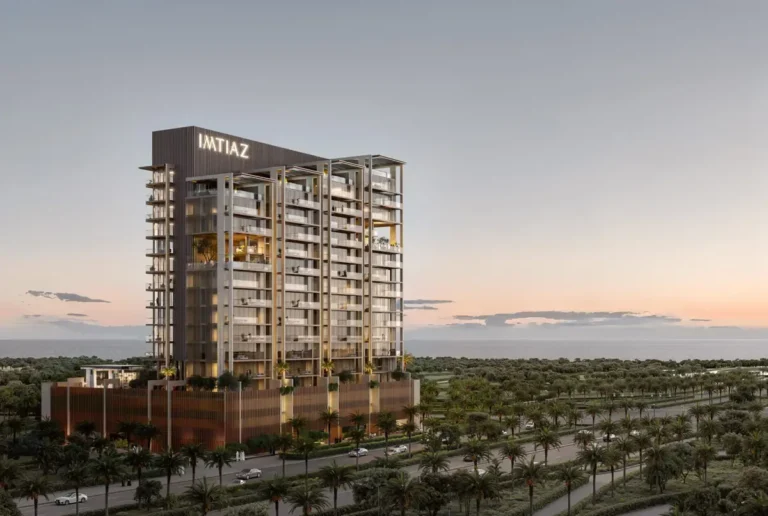
The moment you’ve been waiting for has finally arrived—your off-plan property in Dubai is ready for handover after months or years of construction. However, this crucial milestone requires more than simply collecting keys. Understanding your snagging rights, defect liability periods, quality guarantees, and legal recourse can mean the difference between a seamless transition into your new property and years of frustrating disputes with developers.
For investors who secured properties during the pre-launch phase, protecting your investment during handover becomes even more critical. You’ve likely committed substantial capital based on showroom models and marketing promises, and now it’s time to ensure the delivered product matches those commitments. This comprehensive guide walks you through everything you need to know about handover rights in Dubai, from pre-handover inspections to post-occupancy legal protections.
Understanding the Dubai Handover Process for Off-Plan Properties
The property handover process in Dubai follows a structured framework regulated by the Real Estate Regulatory Agency (RERA) and enforced through the Dubai Land Department (DLD). However, buyers often enter this process unprepared, unaware of their rights, or uncertain about what constitutes acceptable quality standards versus actionable defects.
Before diving into your specific rights, it’s essential to understand the complete timeline. When you initially invested in understanding how pre-launch pricing differs from launch day, you positioned yourself for optimal returns—now it’s time to protect those returns through diligent handover procedures.
The typical handover journey includes:
- Pre-Handover Notification (30-45 days before completion)
- Snagging Inspection Opportunity
- Punch List Creation and Developer Acknowledgment
- Defect Rectification Period
- Final Handover and Key Collection
- Defect Liability Period Commencement
- Final Account Settlement
Each phase carries specific rights and responsibilities that buyers must understand to maximize protection.
Your Snagging Rights: Pre-Handover Inspection Framework
Snagging refers to the systematic identification of defects, incomplete work, or deviations from approved specifications before accepting the property. Dubai law provides buyers with the unequivocal right to conduct thorough inspections before taking possession, though the specific procedures vary by developer.
What Constitutes a Snag?
Understanding the difference between minor cosmetic issues and substantial defects is crucial for effective snagging:
Major Defects (Require Immediate Resolution):
- Structural issues (cracks in load-bearing walls, foundation problems)
- Water leakage or moisture infiltration
- Non-functional essential systems (HVAC, plumbing, electrical)
- Incomplete rooms or missing fixtures per approved plans
- Safety hazards (exposed wiring, unstable installations)
- Door and window operation failures
- Tile or flooring installation problems affecting usability
Minor Defects (Can Be Addressed During Liability Period):
- Paint touch-ups and cosmetic blemishes
- Minor scratches on fixtures
- Grout discoloration
- Small gaps in finishing work
- Cabinet hardware adjustments
Your Legal Right to Professional Snagging:
Dubai regulations permit buyers to hire independent snagging inspectors for a comprehensive property evaluation before handover. These professionals, typically charging AED 800-2,500 depending on property size, provide detailed reports documenting all defects with photographic evidence and technical descriptions.
While developers may discourage independent inspections, you have the absolute legal right to conduct them. Top-tier developers actually welcome professional snagging as it creates clear documentation and prevents disputes. If you invested after carefully evaluating developer track records and credibility, you’re more likely to encounter cooperative handover processes.
The Snagging Inspection Process:
Step 1: Schedule Your Inspection
Upon receiving the Handover Notice (typically 30-45 days before completion), immediately schedule your snagging inspection. Don’t wait until the last moment—developers may impose tight timelines, and you need adequate time for thorough evaluation.
Step 2: Conduct Systematic Room-by-Room Assessment
Professional snagging follows a methodical checklist covering:
- Structural elements: Walls, ceilings, floors for cracks or alignment issues
- Windows and doors: Operation, sealing, locks, alignment
- Electrical systems: All outlets, switches, lighting fixtures, circuit breakers
- Plumbing: Water pressure, drainage, fixture installation, leak detection
- HVAC systems: Cooling efficiency, thermostat operation, vent alignment
- Kitchen and bathrooms: Cabinet operation, countertop installation, tile work
- Balconies and external areas: Waterproofing, drainage, safety railings
- Finishes: Paint quality, flooring installation, trim work
Step 3: Document Everything Comprehensively
Create detailed documentation, including:
- High-resolution photographs of each defect
- Video walkthroughs showing systemic issues
- Written descriptions with location specifics
- Measurements were applicable
- Comparison to approved floor plans and specifications
Step 4: Submit Official Snagging List
Compile findings into an official Snagging List or Punch List and submit it to the developer’s customer care department. Retain copies of all submissions with dated acknowledgment receipts.

Defect Liability Periods: Your Quality Guarantee Timeline
Once you accept property handover (typically after satisfactory defect resolution), the Defect Liability Period (DLP) begins. This warranty period obligates developers to rectify defects emerging after handover at no cost to buyers.
Understanding Your Warranty Coverage
Dubai’s regulatory framework mandates minimum warranty periods, though quality developers often exceed these minimums:
| Component Category | Minimum Legal Warranty | Premium Developer Standard |
| Structural Elements | 10 years | 10 years |
| Major Building Systems (HVAC, plumbing, electrical) | 1 year | 2-3 years |
| Finishes and Fixtures | 1 year | 1-2 years |
| Appliances | Manufacturer warranty | 1 year extended |
| Waterproofing | 5 years | 5-10 years |
| MEP Systems | 1 year | 2 years |
Critical Legal Point: The defect liability period differs from hidden defect liability. While standard defects must be reported within the warranty period, hidden defects (those not discoverable through reasonable inspection) can be claimed for up to 10 years under Dubai Law No. 16 of 2007.
Navigating the Defect Liability Process
Reporting Defects:
Most developers provide dedicated channels for defect reporting:
- Online portals for ticket submission
- Mobile apps with photo upload capabilities
- Customer service hotlines
- Dedicated handover support teams
Response Timelines:
RERA guidelines recommend (but don’t legally mandate) developer response within:
- 24-48 hours: Acknowledgment of defect report
- 7-14 days: On-site assessment for major defects
- 30-60 days: Completion of rectification works
Your Rights During Rectification:
- Access coordination: Developers must schedule repairs at reasonable times with adequate notice
- Temporary solutions: For defects affecting habitability (no water, AC failure), developers must provide immediate temporary solutions
- Quality standards: Rectification work must meet the same specifications as the original construction
- Repeated failures: If the same defect recurs multiple times, you may demand complete replacement rather than repairs
Understanding these timelines becomes especially important if you’re considering your exit strategy and optimal timing for property flipping, as unresolved defects can significantly impact resale values.
Legal Recourse: When Developers Don’t Comply
Despite regulatory frameworks, disputes sometimes arise when developers refuse to acknowledge defects, delay rectification indefinitely, or dispute warranty coverage. Understanding your legal recourse options ensures you’re never powerless in such situations.
Escalation Pathway for Dispute Resolution
Level 1: Direct Developer Escalation
Begin with formal written complaints to:
- Project customer care managers
- Corporate customer relations departments
- Executive management offices
Document all communications meticulously, maintaining email trails and registered letter receipts.
Level 2: RERA Complaint Filing
If direct negotiations fail, file a formal complaint with RERA through:
- Dubai REST App: Digital complaint submission with document upload
- RERA Customer Happiness Centers: In-person complaint filing
- RERA Website Portal: Online complaint registration
RERA investigates complaints, mediates between parties, and can impose penalties on non-compliant developers. The agency typically resolves straightforward cases within 30-60 days.
Level 3: Dubai Land Department Litigation
For unresolved disputes after RERA mediation, escalate to DLD’s Real Estate Disputes Center, which provides:
- Rental Disputes Center: For post-handover tenant-landlord issues
- Joint Tribunal: For buyer-developer contractual disputes
- Expedited Resolution: Typical case resolution within 3-6 months
Level 4: Dubai Courts
As a final recourse, file cases in the Dubai Courts’ Real Estate Court system. While more time-intensive (6-18 months), courts provide comprehensive legal remedies, including:
- Mandatory defect rectification orders
- Financial compensation for damages
- Contract rescission in severe cases
- Legal cost recovery
Strengthening Your Legal Position
Maintain Comprehensive Documentation:
Your legal case strength depends entirely on documentation quality:
- Pre-handover snagging reports with professional validation
- All correspondence with developers (emails, letters, messages)
- Photographic and video evidence showing defect progression
- Expert assessments from engineers or technical consultants
- Financial records showing costs incurred due to defects
Understand Your Sales and Purchase Agreement (SPA):
Your SPA contains crucial clauses regarding:
- Specifications and finishing standards that the developer must meet
- Defect liability durations (may exceed regulatory minimums)
- Dispute resolution procedures and applicable jurisdictions
- Penalty clauses for developer non-compliance
When you initially committed to your pre-launch investment after understanding payment plan structures and terms, you signed an SPA—ensure you thoroughly review it before handover.
Consider Professional Legal Assistance:
For substantial properties or complex disputes, engage real estate lawyers specializing in Dubai property law. Legal fees (typically AED 5,000-25,000 depending on case complexity) often prove worthwhile for high-value disputes.
Quality Guarantees: Beyond Minimum Compliance
Premium developers differentiate themselves through quality guarantees exceeding regulatory minimums. When comparing developers like Emaar vs DAMAC, examine their respective quality assurance programs and post-handover support commitments.
Elements of Superior Quality Programs:
Extended Warranty Periods:
Leading developers offer 2-3 year warranties on major systems versus the 1-year minimum, demonstrating confidence in construction quality and willingness to stand behind their work.
Dedicated After-Sales Service Teams:
Rather than redirecting handover issues to general customer service, top developers maintain specialized post-handover teams trained in rapid defect resolution and homeowner support.
Proactive Maintenance Programs:
Some developers include complimentary first-year maintenance packages covering:
- Regular HVAC servicing
- Deep cleaning services
- Pest control treatments
- Landscaping maintenance for villa communities
Homeowner Support Portals:
Digital platforms providing:
- Online defect reporting with tracking
- Maintenance scheduling
- Community announcements and updates
- Document repository (warranties, manuals, certificates)
Special Considerations for Pre-Launch Buyers
Buyers who invested during pre-launch phases face unique considerations during handover, as the time between purchase commitment and delivery can span 24-36 months.
Specification Changes and Upgrades
Market conditions and material availability sometimes necessitate specification modifications during construction. Your rights include:
Notification Requirements: Developers must inform you of any material specification changes, particularly downgrades affecting value.
Upgrade Options: Some developers offer upgrade packages for finishes, appliances, or fixtures. Evaluate these carefully—post-construction upgrades often cost less than developer packages.
Value Protection: If specifications are downgraded without a price adjustment, document discrepancies and negotiate fair compensation or enhanced warranty coverage.

Completion Delays and Compensation
Construction delays affect many projects. Understanding your rights regarding fastest handover dates and delivery timelines helps you assess whether your developer met commitments.
Typical SPA provisions include:
- Penalty clauses: AED 5-15 per square foot per month of delay
- Rental compensation: Reimbursement for rental costs during delays
- Contract cancellation rights: For delays exceeding 6-12 months beyond the scheduled completion
Post-Handover: Protecting Long-Term Value
Your responsibilities don’t end at handover. Maintaining property value and ensuring defect coverage requires ongoing vigilance.
First-Year Maintenance Priorities
Document Everything:
Create a comprehensive property file including:
- Final snagging reports and rectification confirmations
- All warranty documents and maintenance schedules
- Operation manuals for appliances and systems
- Utility account details and maintenance contacts
Scheduled System Checks:
Conduct quarterly inspections of:
- HVAC filters and efficiency
- Plumbing fixtures for leaks or deterioration
- Electrical systems for any anomalies
- Waterproofing in wet areas
Timely Defect Reporting:
Report emerging defects immediately—don’t wait until warranty expiration approaches. Early reporting establishes defect timelines and prevents developers from claiming damage occurred post-warranty.
Community Living Considerations
For apartments and villa communities, understand:
Service Charge Obligations: Annual fees covering common area maintenance, security, landscaping, and amenities.
Homeowners Association (HOA) Rights: Your voice in community management decisions and dispute resolution for common area issues.
Community Rules and Regulations: Restrictions on modifications, rental policies, and conduct standards that protect property values.
Maximizing Your Handover Experience: Expert Tips
Tip 1: Never Rush Handover
Developers sometimes create urgency around handover appointments. Resist pressure—take adequate time for a thorough inspection. A few extra days now prevent years of regret.
Tip 2: Bring Expert Eyes
Even if you hired pre-handover snagging inspectors, bring a knowledgeable friend or family member to your final walkthrough. Fresh perspectives catch overlooked issues.
Tip 3: Test Everything Multiple Times
Don’t just turn on lights once—test every switch, outlet, faucet, and appliance multiple times under different conditions. Intermittent problems only reveal themselves through repeated testing.
Tip 4: Check Against Approved Plans
Bring your original floor plans and specifications to the handover. Verify room dimensions, fixture locations, and finishing materials match approved documents.
Tip 5: Understand Service Charges Before Committing
Many buyers experience sticker shock from annual service charges (ranging from AED 5-25 per square foot annually). Clarify these costs before final handover to avoid surprises. This becomes particularly important if you’re evaluating rental yield projections and investment returns.
Conclusion: Empowered Handover for Protected Investments
Successfully navigating the snagging and handover process transforms your pre-launch investment from a financial commitment into a valuable, tangible asset. Understanding your defect liability rights, quality guarantees, and legal recourse options ensures you’re never vulnerable to developer neglect or construction deficiencies.
The handover phase represents your final opportunity to ensure the property you receive matches the vision you purchased years earlier. By exercising your snagging rights comprehensively, understanding warranty timelines, documenting everything meticulously, and knowing your escalation pathways, you protect both your immediate living experience and long-term property value.
Remember that quality developers welcome rigorous handover processes—they view satisfied customers as brand ambassadors and repeat buyers. Developers who resist reasonable snagging, delay defect rectification, or dispute legitimate warranty claims reveal their true priorities and service standards.
At Prelaunch.ae, we guide clients through the entire property journey, from initial pre-launch investment through final handover and beyond. Our expert team provides comprehensive handover support including professional snagging coordination, developer liaison, dispute resolution assistance, and post-handover advisory services.
We understand that your off-plan investment represents significant capital and trust—protecting that investment during handover is as important as securing optimal pricing during pre-launch. Our relationships with all major developers, combined with deep knowledge of Dubai’s regulatory framework, ensure you navigate handover with confidence and complete protection.
Whether you’re approaching handover for your first Dubai property or expanding an existing portfolio, professional guidance during this critical phase maximizes your investment security and satisfaction. Don’t face developers alone during disputes, don’t accept substandard work out of frustration, and don’t forfeit your legal rights through ignorance of the process.
Ready to secure expert handover support and protect your pre-launch investment? Fill out the form on our website prelaunch.ae to receive personalized handover guidance, professional snagging coordination, and comprehensive defect liability management throughout your property journey.
Contact our handover specialists for professional assistance:
Phone: (+971) 52 341 7272
Email: sales@mbrproperties.ae
Let us ensure your handover experience is seamless, your property meets all promised specifications, and your rights are fully protected throughout the defect liability period. Your successful property journey doesn’t end at purchase—it continues through exemplary handover support and long-term value protection.
Frequently Asked Questions (FAQs)
Q1: How long do I have to report defects after handover in Dubai?
Standard defects must be reported within the warranty period specified in your SPA (typically 1 year for finishes and fixtures, 10 years for structural elements). However, “hidden defects” that couldn’t be discovered through reasonable inspection can be reported for up to 10 years after handover under Dubai Law No. 16 of 2007.
Q2: Can developers force me to accept handover if I’m not satisfied with the property condition?
No. You have the legal right to refuse handover until substantial defects are rectified. However, refusing handover for minor cosmetic issues may be deemed unreasonable. The key is distinguishing between major defects requiring pre-handover resolution and minor items acceptable for post-handover rectification during the defect liability period.
Q3: What happens if the developer refuses to fix reported defects during the warranty period?
Follow the escalation pathway: (1) Formal written complaint to developer executive management, (2) RERA complaint filing through Dubai REST app, (3) Dubai Land Department dispute resolution, (4) Dubai Courts litigation if necessary. Document everything comprehensively to strengthen your case at each escalation level.
Q4: Should I hire a professional snagging inspector, and what does it cost?
Highly recommended for properties valued over AED 1 million. Professional snagging inspectors charge AED 800-2,500 depending on property size and provide detailed defect reports with photographic documentation. This investment typically pays for itself by identifying issues you might overlook and strengthening your negotiating position with developers.
Q5: What are my rights if specifications delivered differ from what was marketed during pre-launch?
If specifications are materially downgraded from your SPA without price adjustment, you have grounds for: (1) Financial compensation reflecting value reduction, (2) Demanding specification upgrades to match original promises, (3) Contract cancellation with full refund in cases of substantial deviation. Your SPA serves as the legal baseline—any deviations must be documented and challenged.
Q6: How do service charges work, and when do they start?
Service charges (maintenance fees for common areas, amenities, and facilities) typically commence from handover date. Rates range from AED 5-25 per square foot annually depending on community, amenities, and maintenance standards. Developers must disclose estimated service charges before handover—review these carefully as they significantly impact ongoing ownership costs and rental yield calculations.